
If you are planning a trip to the “Island of the Gods” or simply fascinated by linguistics, you have likely noticed that the way people speak in Bali feels different from the formal Indonesian you hear on national television. Understanding the Balinese vs. Indonesian language difference is key to appreciating the deep cultural tapestry of this unique island.
While Indonesia is a nation of thousands of islands and hundreds of languages, Bali stands out as a cultural stronghold. In 2026, the intersection of these two languages—the national standard and the ancestral tongue—continues to define the local identity. This unique balinese vs indonesian language difference is a cornerstone of the island’s identity.
Are They the Same? Understanding the Origins
Many travelers mistakenly believe that Balinese is just a local “dialect” of Indonesian. This is a significant linguistic misconception. Recognizing the core balinese vs indonesian language difference is crucial here. Indonesian (Bahasa Indonesia) is the standardized national language, derived from Malay. It was designed to unify a diverse archipelago and is generally uniform in its structure.
Conversely, Balinese (Basa Bali) is a distinct Malayo-Polynesian language. It belongs to the Austronesian language family but evolved independently for centuries. While both languages share some loanwords—often through the influence of Sanskrit or Javanese—their grammatical structures, vocabulary, and phonetic systems are fundamentally different. This highlights the profound balinese vs indonesian language difference.
The Social Hierarchy: The “Levels” of Balinese
One of the most striking differences between the two languages is the concept of linguistic social hierarchy. This aspect is a significant balinese vs indonesian language difference. Indonesian is largely egalitarian; you use the same basic structure regardless of who you are talking to, simply adjusting the formality of your word choices.
Balinese, however, is famous for its complex register system. Historically, the language changes based on the caste system and the social status of the listener:
Basa Alus: Used when speaking to royalty, elders, or in formal ceremonial settings.
Basa Madia: A middle-ground register used for semi-formal communication.
Basa Kasar (or Basa Ketah): The “common” language used among friends, peers, or those of lower status.
In 2026, while the strictness of these registers is softening in casual, modern urban settings, they remain vital for traditional ceremonies and temple life.
The Evolution of Daily Communication
In modern Bali, you will rarely hear “pure” Balinese outside of specific cultural contexts. Instead, most locals utilize a code-switching approach. This dynamic interaction further illustrates the practical balinese vs indonesian language difference in daily life. They might start a sentence in Indonesian and seamlessly transition to Balinese to express an emotion or a cultural concept that doesn’t translate well.
Why Indonesian Dominates Public Life
Indonesian is the language of government, education, and mass media. If you visit a school in Denpasar, the curriculum is taught in Indonesian. This is essential for national unity, but it creates a “prestige gap.” This dominance is a key factor in the ongoing balinese vs indonesian language difference. Many younger Balinese speakers feel more comfortable expressing technical or academic concepts in Indonesian, while reserving Balinese for family, prayers, and community bonding.
The Oral vs. Written Divide
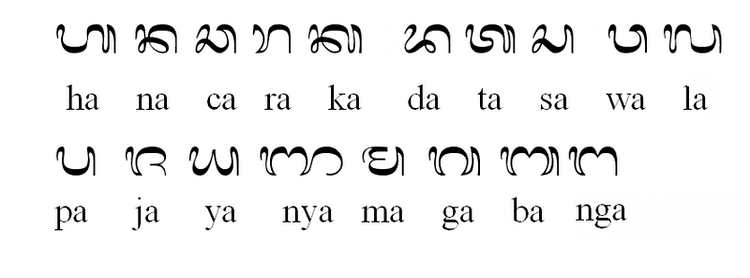
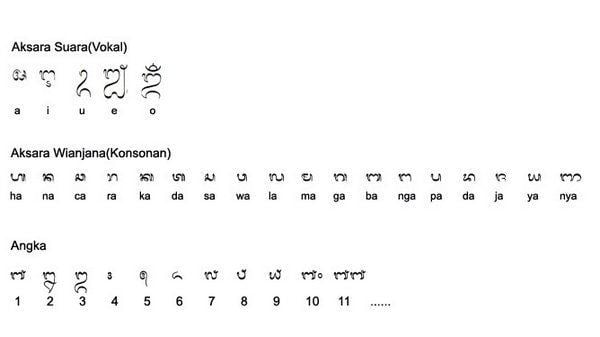
A critical Balinese vs. Indonesian language difference lies in its documentation. Indonesian has a standardized Latin-based alphabet and a rigid orthography. Balinese, while also written in Latin script today, has a rich history of using the Aksara Bali (the traditional Balinese script).
Today, the traditional script is mostly reserved for religious texts, decorative signs, and artistic displays. Most Balinese people prioritize oral communication, leading to a decline in literacy regarding the ancient script among the youth of 2026.

Key Linguistic Comparison Table
| Feature | Indonesian (Bahasa Indonesia) | Balinese (Basa Bali) |
| :— | :— | :— |
| Origin | Malay-based | Austronesian (independent evolution) |
| Hierarchy | Low (standardized) | High (caste-based registers) |
| Usage | National, formal, academic | Regional, cultural, daily life |
| Script | Latin alphabet | Latin & traditional Aksara Bali |
Why This Matters for Travelers in 2026
If you are visiting Bali, knowing the difference will enhance your experience. Understanding the balinese vs indonesian language difference can deepen your appreciation. Learning a few words of Indonesian (like “Selamat Pagi”) will get you by in most hotels and restaurants. However, learning a few phrases of Basa Bali—such as “Matur Suksma”* (Thank you)—is viewed by locals as a sign of deep respect. It signals that you are not just a tourist, but someone who appreciates the unique Balinese identity.
Conclusion
The Balinese vs. Indonesian language difference is more than just a matter of vocabulary; it is a reflection of the island’s soul. While Indonesian acts as the bridge to the wider world, Balinese remains the heartbeat of the community. As we look toward the future, the survival of the Balinese language depends on its continued use in the home and the preservation of its beautiful, complex registers. By understanding these nuances, you become a more culturally conscious visitor, ensuring that the legacy of Bali’s ancestors continues to thrive.