

Beyond the Tourist Trail: Unveiling Batak Culture with Sustainable Adventures in North Sumatra
Imagine waking to the mist-shrouded peaks of the Batak Highlands, the crisp air carrying the scent of ancient forests. Picture yourself engaging with a vibrant culture, not as a passive observer, but as a participant, weaving through traditions while treading lightly on the earth. North Sumatra, a land rich in both natural splendor and ancestral heritage, offers a profound opportunity to explore the unique Batak traditions through eco-conscious adventures. This isn’t just a vacation; it’s a journey of connection, learning, and responsible discovery.
The Heartbeat of the Batak: Understanding Their Rich Heritage
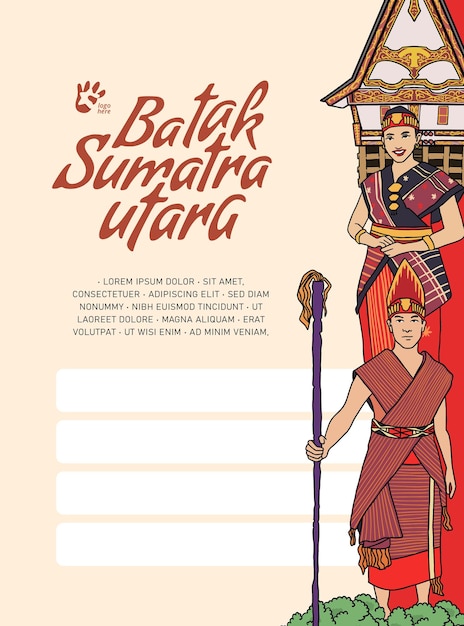
The Batak people, indigenous to the volcanic landscapes surrounding Lake Toba, possess a complex and fascinating cultural tapestry. Their society is organized into distinct clans, each with its own history, customs, and artistic expressions. From their distinctive, soaring Rumah Adat (traditional houses) with their carved gables, to the intricate rhythms of their Umpasa (traditional songs and poetry), the Batak heritage is alive and waiting to be explored. Understanding these elements is the first step towards an enriching and respectful journey.
Clan Structures and Ancestral Wisdom
The Marga system, the patrilineal clan structure, forms the bedrock of Batak society. Knowing about the different marga, such as Siregar, Simanjuntak, and Panggabean, offers a glimpse into the deep-rooted familial bonds and historical narratives that shape Batak identity. Engaging with local communities, perhaps by learning about a specific clan’s origins or their customary laws, can be a deeply rewarding experience. This understanding fosters respect for their social order and the wisdom passed down through generations.
Artistic Expressions: Music, Dance, and Carvings
Batak art is a vibrant reflection of their spiritual beliefs and daily life. The haunting melodies of the Hasapi (a stringed instrument) and the energetic beats of the Gordang Sambilan (a set of nine drums) form the backbone of their musical traditions. Witnessing a traditional dance performance, often accompanied by these instruments, is a spectacle of storytelling and communal spirit. The intricate wood carvings adorning their traditional houses and ceremonial objects also tell stories of mythology, nature, and the human condition.
Eco-Conscious Adventures: Connecting with Nature and Culture
The beauty of North Sumatra lies in its ability to seamlessly blend cultural immersion with responsible exploration of its natural wonders. Opting for eco-conscious adventures ensures that your presence benefits the local communities and preserves the delicate ecosystems you’ll be traversing.
Trekking Through the Batak Highlands: Nature’s Embrace
The rolling hills and volcanic landscapes surrounding Lake Toba offer incredible opportunities for trekking. Imagine guided hikes through coffee plantations, learning about sustainable farming practices from local Batak farmers. These trails often lead to breathtaking viewpoints overlooking the sapphire waters of the lake, offering a chance to appreciate the sheer scale of the natural beauty that has shaped Batak life.
- Ethical Trekking Tips:
- Always hire local guides. They possess invaluable knowledge of the terrain and cultural nuances.
- Carry reusable water bottles and avoid single-use plastics.
- Respect the local flora and fauna; stay on designated paths.
- Learn a few basic Batak phrases to show respect and facilitate interaction.
Exploring Lake Toba Responsibly: A Living Landscape
Lake Toba, the largest volcanic lake in the world, is more than just a scenic wonder; it’s a vital ecosystem and the heartland of Batak culture. Sustainable exploration here means appreciating its grandeur without leaving a detrimental footprint.
- Kayaking and Canoeing: Glide across the serene waters in a kayak or canoe, allowing for quiet contemplation of the surrounding islands and villages. This low-impact activity offers an intimate connection with the lake.
- Homestays and Local Guesthouses: Opting for homestays or locally-owned guesthouses directly supports the Batak communities. You’ll gain authentic insights into daily life, enjoy home-cooked Batak delicacies, and contribute to the local economy. Consider places that actively practice waste reduction and energy conservation.
- Cultural Village Visits: Engage with communities on islands like Samosir, but do so respectfully. Ask permission before taking photographs, and be mindful of local customs. Many villages offer demonstrations of traditional crafts like Ulos weaving, a crucial part of Batak identity.
Culinary Journeys: Tasting Batak Traditions
The Batak cuisine is a delightful exploration of local ingredients and time-honored recipes. Babi Panggang Karo (BPK), a spiced roasted pork, is a famous delicacy, but the culinary landscape is much broader. Exploring local markets and trying dishes prepared by Batak families offers a delicious way to connect with their culture.
- Supporting Local Food Producers: Seek out restaurants that source ingredients from local farmers and fishermen. This not only ensures freshness but also bolsters the local economy.
- Learning about Traditional Ingredients: Discover unique ingredients like andaliman, a local Sichuan pepper that adds a distinctive citrusy, tingly flavor to many Batak dishes.
The Impact of Your Journey: Sustainable Tourism in Action
Choosing eco-conscious adventures in North Sumatra isn’t just about having a memorable trip; it’s about making a positive impact. By supporting local businesses, respecting cultural practices, and minimizing your environmental footprint, you contribute to the preservation of both the natural environment and the unique Batak heritage for generations to come.
- Economic Empowerment: Your spending directly benefits Batak families through employment in guiding, accommodation, crafts, and food services.
- Cultural Preservation: By showing genuine interest and respect for their traditions, you help to keep them vibrant and relevant in the modern world.
- Environmental Stewardship: Your conscious choices help protect the pristine landscapes that are integral to Batak life and identity.
Embark on Your Batak Discovery
North Sumatra invites you to step off the beaten path and immerse yourself in the soul-stirring beauty of the Batak Highlands. By embracing eco-conscious adventures, you transform your travel experience into a meaningful exchange – a chance to explore ancient traditions, connect with the land, and contribute to a sustainable future. Your journey here is an opportunity to learn, to grow, and to carry the spirit of the Batak with you long after you’ve departed.
Additional Information
Explore Batak Traditions Through Eco-Conscious Adventures in North Sumatra: A Detailed Dive
North Sumatra, a land of volcanic peaks, emerald rainforests, and the captivating cultural tapestry of the Batak people, offers a unique opportunity for travelers seeking authentic experiences that are also deeply rooted in sustainability. “Explore Batak Traditions Through Eco-Conscious Adventures” is more than just a travel slogan; it’s an invitation to engage with a rich heritage while actively contributing to its preservation and the well-being of the natural environment. This approach moves beyond passive observation, encouraging active participation and a deeper understanding of the interconnectedness between Batak culture and the land they inhabit.
Let’s delve into the detailed aspects of this concept:
I. Understanding the Batak People and Their Traditions:
Before embarking on an eco-conscious adventure, understanding the foundation of Batak culture is crucial. The Batak are not a monolithic group; they are comprised of distinct sub-ethnicities, each with unique customs, languages, and social structures. The most prominent include:
- Batak Toba: The largest and most widely known group, residing primarily around Lake Toba. Their traditions are deeply tied to the lake, their ancestors, and a complex system of kinship and adat (customary law).
- Key Traditions:
- Adat: The intricate system of customary laws and social norms governing all aspects of life, from marriage and inheritance to conflict resolution and land management.
- Sigale-gale: Life-sized wooden puppets used in funerary ceremonies, representing ancestors and performing rituals to appease their spirits.
- Ulos: Beautifully woven textiles, each with specific meanings and purposes, symbolizing blessings, protection, and social status. They are central to weddings, funerals, and other significant life events.
- Rumah Adat (Traditional Houses): Distinctive architecture with saddle-shaped roofs, often adorned with intricate carvings depicting ancestral spirits and stories. These houses are not just dwellings but symbolic representations of family and community.
- Music and Dance: Rhythmic drumming, soulful singing, and expressive dances that tell stories of history, mythology, and daily life.
- Cuisine: Distinctive flavors influenced by local ingredients, often featuring fermented foods like “andaliman” (a type of pepper) and a variety of fresh produce.
- Key Traditions:
- Batak Karo: Residing in the highlands north of Lake Toba, known for their unique architectural style and a matriarchal influence in some aspects of their society.
- Key Traditions: Similar to Batak Toba, with variations in their Rumah Adat and specific rituals.
- Batak Simalungun, Batak Mandailing, Batak Angkola, Batak Pakpak: Each with their own cultural nuances and historical development.
II. Defining Eco-Conscious Adventures in the Batak Context:
An eco-conscious adventure in North Sumatra is one that prioritizes minimizing environmental impact, maximizing community benefit, and fostering a genuine appreciation for Batak culture. This translates to:
- Low Environmental Footprint:
- Sustainable Transportation: Utilizing local transportation methods where possible (e.g., walking, cycling, shared boat services on Lake Toba), opting for fuel-efficient vehicles, and minimizing unnecessary travel.
- Waste Management: Practicing responsible waste disposal, reducing single-use plastics, and supporting initiatives that promote recycling and composting within local communities.
- Water Conservation: Being mindful of water usage, especially in communities where water resources may be limited.
- Respect for Flora and Fauna: Avoiding disturbing wildlife, not collecting plants or souvenirs from natural areas, and respecting protected zones.
- Community Engagement and Benefit:
- Supporting Local Economies: Patronizing locally owned guesthouses, restaurants, and craft shops, purchasing authentic Batak crafts directly from artisans, and employing local guides.
- Cultural Immersion, Not Exploitation: Engaging respectfully with local communities, seeking permission before taking photographs, learning basic local phrases, and understanding that cultural practices are not tourist spectacles.
- Fair Trade Practices: Ensuring that any purchases made directly support the livelihoods of the artisans and producers.
- Knowledge Sharing: Participating in workshops or demonstrations led by local community members, showing genuine interest in their skills and traditions.
- Education and Awareness:
- Understanding Adat: Learning about the principles of adat and how they relate to environmental stewardship and community well-being.
- Cultural Sensitivity: Being aware of local customs, etiquette, and religious beliefs, and dressing modestly when visiting sacred sites or participating in community events.
- Appreciating the Interconnection: Recognizing how Batak traditions have historically promoted sustainable living and how modern challenges can be addressed through a blend of tradition and innovation.
III. Potential Eco-Conscious Adventures and Activities:
This approach opens up a wealth of immersive experiences:
- Lake Toba Exploration:
- Traditional Boat Journeys: Hiring local fishermen for boat trips on Lake Toba, learning about their lives and fishing techniques, and enjoying the pristine beauty of the lake.
- Homestays on Samosir Island: Staying with Batak families in traditional villages, sharing meals, learning about their daily lives, and participating in local activities.
- Ulos Weaving Workshops: Learning the intricate art of Ulos weaving from local artisans, understanding the symbolism of different patterns, and perhaps even creating a small piece to take home.
- Cultural Performances with a Cause: Attending traditional dances and music performances that directly support community cultural preservation initiatives.
- Hiking and Trekking: Exploring the volcanic landscapes surrounding Lake Toba, guided by locals who can share knowledge of medicinal plants and the spiritual significance of the land.
- Highland Adventures (Karo Regency):
- Visiting Traditional Karo Villages: Exploring the unique architecture of Rumah Adat Karo, understanding their societal structures, and learning about local agricultural practices.
- Trekking through Coffee and Cacao Plantations: Engaging with local farmers, learning about sustainable farming methods, and enjoying the freshest produce.
- Exploring Waterfalls and Natural Reserves: Discovering the region’s stunning waterfalls and rainforests, with guides who can educate about the local flora and fauna and their ecological importance.
- Culinary Journeys:
- Cooking Classes: Learning to prepare traditional Batak dishes using locally sourced ingredients, understanding the cultural significance of certain foods.
- Visiting Local Markets: Experiencing the vibrant atmosphere of local markets, interacting with vendors, and learning about the diverse array of produce.
- Community-Based Tourism Initiatives:
- Participating in Village Development Projects: Some communities may offer opportunities to contribute to small-scale projects like reforestation or environmental clean-ups, fostering a sense of shared responsibility.
- Learning about Traditional Crafts: Beyond Ulos, exploring other traditional crafts like wood carving or pottery, and understanding the sustainable sourcing of materials.
IV. Benefits of Eco-Conscious Adventures:
- For the Traveler:
- Authentic Cultural Immersion: Deeper understanding and connection with Batak traditions and people.
- Meaningful Experiences: Moving beyond superficial tourism to create lasting memories and personal growth.
- Enrichment of Knowledge: Learning about sustainable living, cultural preservation, and environmental stewardship.
- Positive Impact: Contributing directly to the well-being of local communities and the preservation of their heritage.
- Unique Insights: Discovering aspects of Batak culture that are often missed by mainstream tourism.
- For the Batak Communities:
- Economic Empowerment: Creating sustainable income streams that support livelihoods and discourage reliance on environmentally damaging practices.
- Cultural Preservation: Providing incentives and resources for the continuation of traditional practices and knowledge.
- Environmental Protection: Encouraging responsible land use and conservation efforts.
- Community Pride: Fostering a sense of pride and ownership in their cultural heritage and natural resources.
- Capacity Building: Empowering local communities to manage their own tourism initiatives and development.
V. Challenges and Considerations:
- Infrastructure Limitations: Some remote Batak communities may have limited access to modern amenities, requiring a flexible and adaptable approach.
- Language Barriers: While some younger Batak may speak English, communication can be challenging in more traditional settings. Learning basic Bahasa Indonesia or Batak phrases can be very helpful.
- Balancing Tradition and Modernity: Batak communities are navigating the pressures of modernization. Eco-conscious tourism aims to support the preservation of their heritage while respecting their evolving needs.
- Ensuring Genuine Sustainability: It’s crucial to discern between “greenwashing” and truly sustainable practices. Travelers should research tour operators and accommodations to ensure they align with eco-conscious principles.
- Respecting Privacy and Cultural Norms: Always be mindful of local customs and avoid intrusive behavior. Seeking permission before taking photos is paramount.
VI. How to Plan an Eco-Conscious Trip:
- Research Thoroughly: Identify reputable tour operators that focus on community-based and eco-friendly tourism. Look for certifications or affiliations with sustainability organizations.
- Choose Eco-Friendly Accommodations: Opt for homestays, locally owned guesthouses, or lodges that demonstrate a commitment to environmental practices.
- Hire Local Guides: This not only provides valuable insights but also directly supports the local economy and ensures respectful engagement with the culture.
- Pack Sustainably: Bring reusable water bottles, shopping bags, and avoid single-use plastics.
- Be a Responsible Traveler: Educate yourself on local customs, practice waste reduction, and be mindful of your environmental impact.
- Support Local Artisans and Businesses: Purchase souvenirs directly from makers and dine at local restaurants.
- Be Open to Learning: Embrace opportunities to engage with locals, ask questions respectfully, and learn from their experiences.
Conclusion:
“Explore Batak Traditions Through Eco-Conscious Adventures in North Sumatra” offers a transformative travel experience. It’s a journey that enriches the traveler, empowers the local communities, and contributes to the enduring legacy of Batak culture and the breathtaking natural beauty of North Sumatra. By approaching this destination with mindfulness, respect, and a commitment to sustainability, visitors can forge genuine connections and leave a positive impact, ensuring that these traditions and landscapes thrive for generations to come.
