
Bali remains the crown jewel of Southeast Asia, but in 2026, the “Island of the Gods” has evolved. With new digital systems, sustainable travel initiatives, and shifting hotspots, knowing how to plan Bali Indonesia travel step by step is essential for a seamless experience.
Whether you are seeking the spiritual serenity of Ubud, the world-class surf of Uluwatu, or the vibrant nightlife of Canggu, this guide provides an expert roadmap. Let’s dive into the logistics, culture, and hidden gems of planning your 2026 Balinese adventure.
Step 1: Choose the Perfect Timing for Your 2026 Trip
Timing is everything when visiting a tropical paradise. Bali basically has two seasons: the dry season (April to October) and the wet season (November to March).
If you want blue skies and low humidity, aim for the dry season. However, 2026 travelers are increasingly choosing the “shoulder months” of May, June, and September to avoid the peak crowds of July and August.
Pro Tip: In 2026, the Balinese Day of Silence, Nyepi, is expected to fall in mid-March. During this 24-hour period, the entire island shuts down—including the airport. Plan around this if you want to witness unique rituals, or avoid it if you don’t want to be confined to your hotel.
Step 2: Navigate Visas and Entry Requirements
Entry requirements have become more digitized in recent years. To ensure a smooth arrival at Ngurah Rai International Airport (DPS) in Denpasar, follow these steps:
- Visa on Arrival (VoA): Most tourists use the 30-day VoA, which can be extended once. For 2026, it is highly recommended to apply for an e-VoA online before you fly to skip the long queues.
- Bali Tourist Levy: As of 2024/2025, Bali implemented a mandatory tourist tax (approx. $10 USD). Ensure you pay this via the “Love Bali” app or website before arrival.
- Electronic Customs Declaration (e-CD): Indonesia no longer uses paper forms. You must fill out the e-CD online within 3 days of your flight to receive a QR code for scanning at customs.
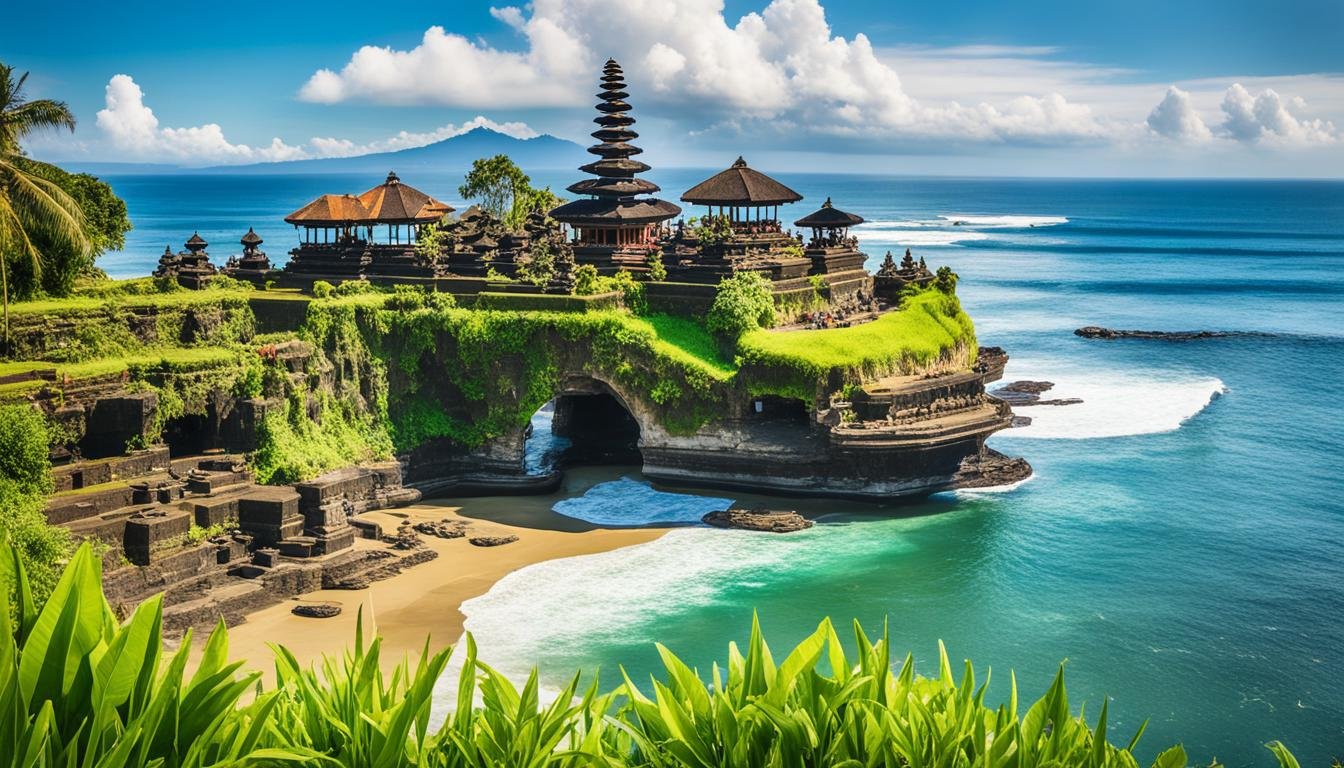
Step 3: Determine Your “Bali Vibe” and Select Regions
One of the biggest mistakes travelers make is staying in just one area. Bali is incredibly diverse. To plan effectively, split your stay between 2 or 3 locations:
Ubud: The cultural heart. Perfect for yoga retreats, lush rice terraces, and art markets.
Canggu & Pererenan: The hub for digital nomads, trendy cafes, and beach clubs.
Uluwatu: Famous for dramatic limestone cliffs, professional surfing, and luxury resorts.
Sidemen & Munduk: The “New Ubud.” Go here for authentic Balinese life, trekking, and misty mountains.
Nusa Islands: Take a fast boat to Nusa Penida or Lembongan for untouched beaches and manta ray snorkeling.
Step 4: Set a Realistic 2026 Budget
While Bali can be done on a shoestring, prices have risen post-pandemic.
Budget ($30-$50/day): Guesthouses (Losmen), local Warungs (eateries), and scooter rentals.
Mid-Range ($70-$150/day): Private villas with pools, trendy brunch spots, and private drivers.
Luxury ($300+/day): International five-star resorts in Nusa Dua or cliff-top villas in Uluwatu.
Always carry some cash (Rupiah) for local markets, but most cafes and hotels in 2026 accept international credit cards and digital payments like Apple Pay.
Step 5: Booking Flights and Transportation
When looking at how to plan Bali Indonesia travel step by step, transportation is the most frequent pain point.
International Flights: Book at least 4-6 months in advance. Many travelers find better deals by flying into Singapore or Jakarta first and taking a regional carrier (like AirAsia or Batik Air) to Denpasar.
Getting Around Bali:
Private Drivers: The best way to see the island. Rates for 2026 typically range from $40-$60 USD for a full 10-hour day.
Grab & Gojek: Use these apps for short trips or food delivery. They are the “Uber” of Southeast Asia.
Scooter Rental: Cost-effective (approx. $5-$10/day) but only recommended for experienced riders with an International Driving Permit (IDP).
Step 6: Crafting Your Itinerary (Sample 10-Day Plan)
To see the best of Bali without feeling rushed, follow this proven structure:
Days 1-3: Uluwatu. Recover from jet lag, watch the Kecak Fire Dance at the temple, and enjoy the sunset at Single Fin.
Days 4-7: Ubud. Visit the Sacred Monkey Forest, hike the Campuhan Ridge, and take a Balinese cooking class. Don’t miss the Tegalalang Rice Terrace at sunrise.
Days 8-10: Nusa Penida or Canggu. End with an adventure to Kelingking Beach or relax with a spa day and shopping in the boutiques of Canggu.
Step 7: Cultural Etiquette and Sustainable Travel
Bali is deeply spiritual. In 2026, there is a major push for regenerative tourism. Respect the local culture by:
Wearing a Sarong: Always cover your knees and shoulders when entering a temple.
Reducing Plastic: Bring a reusable water bottle. Many hotels now offer free filtered water stations.
- Respecting Offerings: You will see small palm-leaf baskets (Canang Sari) on the ground. Be careful not to step on them.

Step 8: Health and Safety Essentials
No one wants their trip ruined by “Bali Belly.” Stick to these rules:
- Drink Bottled or Filtered Water: Never tap water.
- Travel Insurance: Ensure your policy covers scooter accidents and medical evacuation.
- Vaccinations: Check with your doctor for updated recommendations for Indonesia in 2026 (typically Tetanus, Typhoid, and Hepatitis A).
Conclusion: Ready for Your Bali Adventure?
Planning a trip to the Island of the Gods requires a balance of logistics and spontaneity. By following this step-by-step guide to planning Bali Indonesia travel, you ensure that the “boring” stuff is handled before you land, leaving you free to soak in the magic of the Balinese sunset.
From the volcanic peaks of Mount Batur to the turquoise waters of the Gili Islands, 2026 is the perfect year to rediscover why Bali remains the world’s favorite island destination. Start your bookings today and prepare for a life-changing journey!