
Planning a trip to the Island of the Gods? While you are likely dreaming of emerald rice terraces and world-class surfing, one practical question remains: how to pay in Bali—cash or card? Understanding the nuances of currency conversion fees and budgeting for your Bali trip is key. As we enter 2026, Bali’s payment landscape has evolved significantly. While the island is becoming increasingly digitized, it remains a place where cash is still very much king in many scenarios.
Navigating the local economy requires a smart strategy to avoid unnecessary fees and ensure you aren’t left stranded without funds. From high-end Seminyak beach clubs to remote warungs in Ubud, understanding the nuances of local transactions is essential for a stress-free vacation.

The Evolution of Payments in Bali (2026 Update)
In 2026, you will find that Bali offers a hybrid payment ecosystem. Major hotels, luxury resorts, and high-end restaurants now almost exclusively accept Visa and Mastercard. Furthermore, the rise of QRIS (Quick Response Code Indonesian Standard) has transformed how locals and long-term expats pay for everything from street food to market goods.
However, relying solely on plastic or digital payment methods is a risky move. Many smaller businesses, local vendors, and transport services still operate on a cash-only basis. To balance convenience and necessity, most seasoned travelers adopt a “mixed-wallet” approach: using cards for large expenses and keeping a steady supply of Indonesian Rupiah (IDR) for daily needs.
Why You Still Need Cash in Bali
Even with the rise of contactless payments, carrying cash is mandatory for a smooth experience. Understanding how to manage and ensure carrying cash safely is paramount. You will find that cash is essential for:
Street Food and Night Markets: Tiny stalls and local warungs rarely have card terminals.
Transportation: While apps like Grab and Gojek accept digital payments, local taxi drivers or private hire drivers often prefer cash.
Temple Entry and Parking Fees: Many of Bali’s iconic sights require a small entrance fee paid in physical notes.
Tips and Gratuities: While service charges are included in many bills, tipping your driver or hotel staff is best done in cash.
Pro-Tip: ATMs and Currency Handling
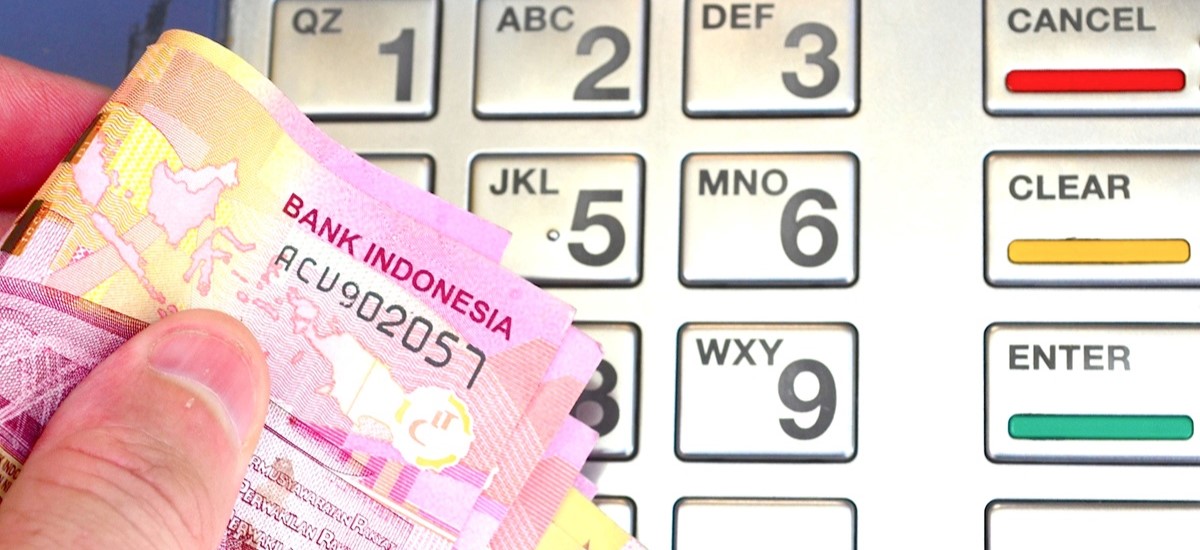
When withdrawing money, always use ATMs located inside banks or major shopping malls to avoid “skimming” devices. Be mindful of potential ATM withdrawal fees and always aim for the best exchange rates. Opt for banks like BNI, Mandiri, or BCA. Always inform your home bank of your travel dates to prevent your cards from being blocked due to suspicious activity, and follow general card security tips to protect your finances.
Using Cards and Digital Wallets: The Modern Way to Pay
If you prefer to limit the amount of cash you carry, perhaps considering prepaid travel cards or relying on your international debit cards, you are in luck. In 2026, contactless payment (NFC) is widely available in tourist hubs like Canggu, Uluwatu, and Ubud.
Digital Wallets and Apps
Apps like Gojek and Grab are indispensable in Bali. By linking your international credit or debit card to these apps, you can pay for rides, food delivery, and even local services without touching physical money. This is arguably the most secure and efficient way to handle smaller, everyday transactions.
Credit and Debit Card Etiquette
Avoid Dynamic Currency Conversion (DCC): If a merchant asks if you want to pay in your home currency or IDR, always choose IDR. Choosing your home currency often triggers a poor exchange rate set by the merchant’s bank.
Check for Surcharges: Some smaller shops may add a 2% to 3% surcharge for credit card payments. Always ask before handing over your card.
Carry a Backup: Always travel with at least two cards (one Visa and one Mastercard) stored in separate places.
Smart Money Management Strategies for 2026
To maximize your budget and minimize fees, follow these expert tips:
- Use Travel-Friendly Cards: Use an international debit card that offers zero foreign transaction fees and global ATM fee rebates. These are game-changers for travelers who withdraw cash frequently, helping you secure the best exchange rates.
- Avoid Money Changers: While they are everywhere, many independent money changers are notorious for scams. If you must use one, stick to authorized, reputable establishments with clear signage and security cameras. Better yet, stick to ATM withdrawals for the best mid-market rates.
- Monitor Your Spending: Since you are likely using a mix of currencies and payment methods, use a travel money app to track your expenses in real-time. This helps you stay within your daily budget while preventing you from accidentally overspending.
- Keep Small Change: Always try to break large notes (100,000 IDR) at supermarkets or hotels. Smaller vendors often have trouble providing change for large bills, especially early in the morning.
Conclusion: Finding Your Balance
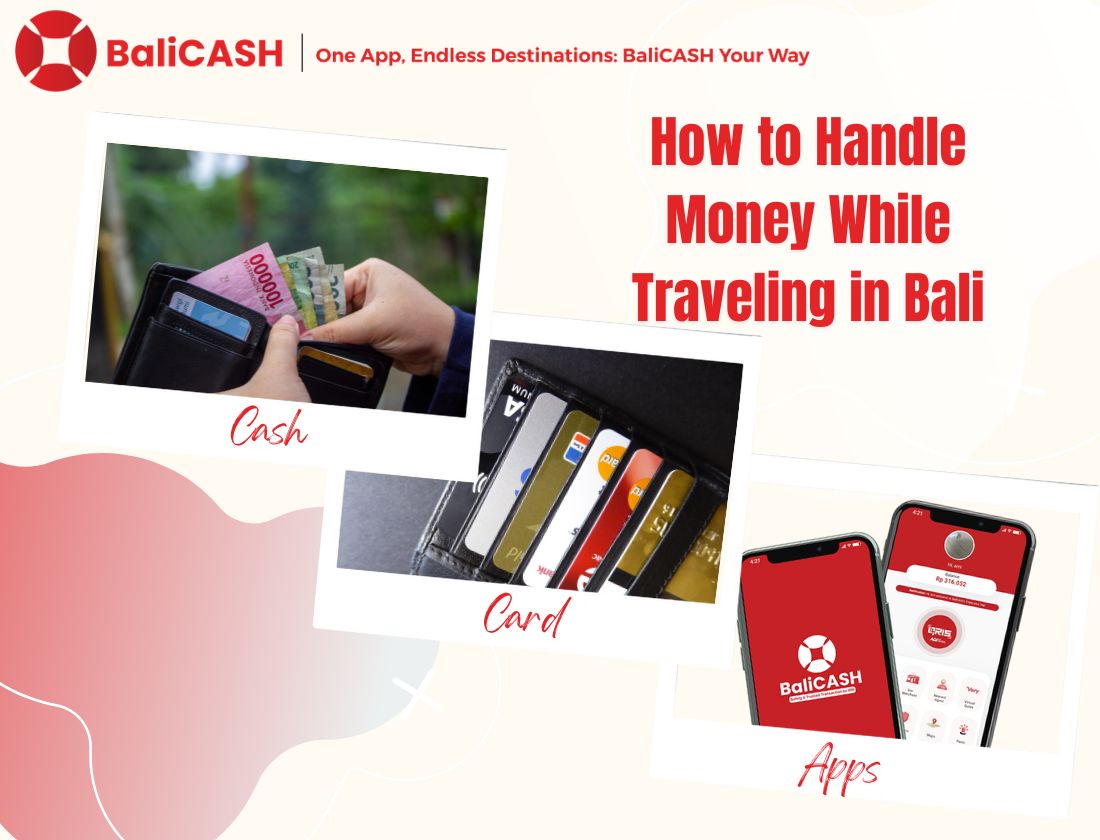
So, how should you pay in Bali? The answer is a strategic blend of both. Use your credit card or digital wallet (via Gojek/Grab) for larger, high-value transactions like accommodation, tours, and fine dining. Keep a stash of cash for the small, authentic moments that make Bali so special—like buying a fresh coconut on the beach or grabbing a quick nasi goreng* at a local stall.
By keeping your cards secure, using reputable ATMs, and embracing the local digital payment apps, you can focus on what truly matters: soaking in the island’s incredible beauty. Remember, in 2026, the traveler who is prepared with both digital ease and physical cash is the traveler who enjoys the smoothest journey possible.