
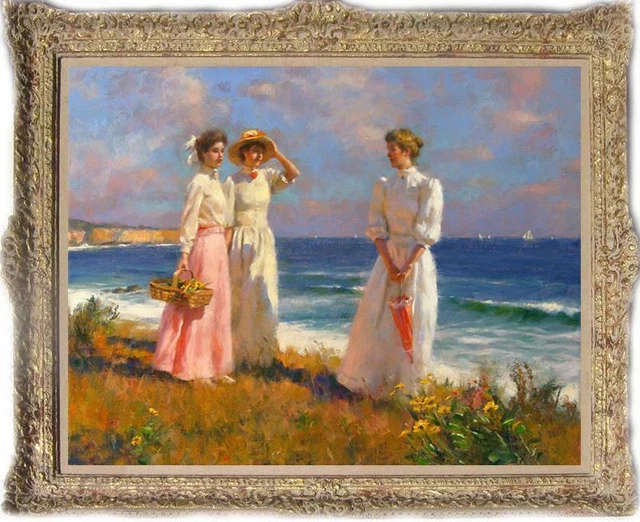
Brushstrokes of the Wild: 9 Hand-Painted Crafts Mirroring Toba’s Breathtaking Landscapes
Imagine the vast, ancient plains, the dramatic skies, and the untamed beauty of Toba. Now, picture yourself translating that raw, natural splendor onto a canvas, a piece of pottery, or even a simple fabric. This isn’t just about art; it’s about connecting with a place, its history, and its soul. In a world increasingly dominated by mass production, the resurgence of traditional crafts offers a profound connection to heritage and a unique way to express our appreciation for the natural world. Toba, with its evocative landscapes, provides an unparalleled muse for these artistic endeavors.
This post invites you to explore nine distinct hand-painted craft techniques, each a unique lens through which to capture the essence of Toba’s natural wonders. Whether you’re a seasoned artist or a curious beginner, these crafts offer a tangible way to bring the spirit of Toba into your home.
The Canvas of Nature: Capturing Toba’s Vistas
Toba’s landscapes are a symphony of earth tones, dramatic light, and sweeping horizons. These first few crafts focus on translating these visual narratives onto various surfaces.
1. Watercolor Washes of the Gran Chaco Sky
Think of the endless, often vibrant skies above the Gran Chaco, a region intrinsically linked with Toba heritage. Watercolor is the perfect medium to capture the ephemeral nature of these skies – the soft transitions of dawn, the fiery hues of sunset, or the dramatic, cloud-laden expanses.
- Technique Focus: Layering translucent washes of color, dry brush techniques for texture, and allowing the water to guide the pigment.
- Toba Inspiration: The vastness of the sky, the interplay of light and shadow on the plains, and the colors of native flora.
- Actionable Tip: Experiment with salt on wet washes to create interesting, textured effects reminiscent of cloud formations or dry, cracked earth.
2. Acrylic Impasto of the Rolling Plains
The undulating terrain of Toba’s plains, with their subtle variations in elevation and texture, can be beautifully represented using acrylics with an impasto technique. This involves applying paint thickly, creating visible brushstrokes and a tactile quality.
- Technique Focus: Using palette knives and stiff brushes to build up texture, layering colors to create depth and dimension.
- Toba Inspiration: The texture of dry grasses, the subtle undulations of the land, and the feeling of resilience in the natural environment.
- Potential Link: Explore our guide on [Choosing the Right Acrylic Paints for Landscape Art] for more in-depth information.
3. Oil Painting: Capturing the Subtle Palette of Toba’s Flora
The indigenous flora of Toba, from resilient grasses to the stoic trees, offer a rich palette for oil painters. Oil paints allow for blending and layering that can capture the nuanced colors and textures of plant life.
- Technique Focus: Glazing techniques for subtle color transitions, scumbling for atmospheric effects, and detail work for capturing leaf and bark textures.
- Toba Inspiration: The muted greens, browns, and ochres of native plants, the resilience of life in arid conditions.
- Consider a Link: Learn more about [The Longevity and Richness of Oil Paints] on our partner art supply blog.
Beyond the Canvas: Functional Art Inspired by Toba
Tradition often blends utility with beauty. These next crafts take inspiration from Toba’s landscapes and infuse it into everyday objects.
4. Toba Pottery: Echoes of Earth and Tradition
As highlighted by resources like Moments Log, Toba pottery itself is a significant indigenous art form. For those looking to create their own painted ceramics, the patterns and colors found in traditional Toba pottery offer a direct link to cultural heritage, while the forms can be inspired by the very land itself.
- Technique Focus: Hand-painting ceramic bisque or glazed pieces with underglazes or ceramic paints. Focus on motifs inspired by nature and geometric patterns often found in indigenous art.
- Toba Inspiration: The organic shapes of natural elements, traditional Toba geometric designs, and the earthy tones of the region.
- Actionable Tip: Research traditional Toba artistic motifs to incorporate authentic cultural elements into your pottery designs.
5. Hand-Painted Textiles: The Windswept Plains on Fabric
Imagine a scarf or a wall hanging that evokes the feeling of a gentle breeze rustling through the plains. Hand-painting on fabric allows for vibrant interpretations of Toba’s natural beauty.
- Technique Focus: Using fabric paints, fabric markers, or even batik techniques to create designs. Explore stenciling for repetitive patterns inspired by nature.
- Toba Inspiration: The movement of wind across the landscape, the patterns of animal tracks in the dust, and the colors of local wildflowers.
- Internal Link Opportunity: Discover more about [Creative Fabric Painting Techniques for Beginners].
6. Painted Gourds: Vessels of Toba’s Spirit
Gourds, when dried and prepared, offer a unique, organic surface for painting. Their natural curves and textures lend themselves perfectly to depicting scenes or symbols inspired by Toba’s environment.
- Technique Focus: Preparing gourds by cleaning and sealing them, then using acrylics or oil paints for detailed designs.
- Toba Inspiration: Depicting native animals, stylized trees, or abstract patterns that represent the cycles of nature.
- Consider a Link: Browse our selection of [Sustainable Craft Materials for Eco-Conscious Artists].
Abstracting the Essence: Capturing Feeling and Form
Sometimes, the most powerful art doesn’t replicate reality but captures its essence. These crafts focus on the feeling and abstract beauty of Toba’s landscapes.
7. Painted Stones: Miniatures of the Earth’s Palette
Collecting smooth stones and painting them is a simple yet profound way to connect with the earth. Each stone can become a miniature landscape or an abstract representation of Toba’s textures and colors.
- Technique Focus: Using acrylic paints and fine brushes to create detailed or abstract designs on smooth stones. Sealing for durability.
- Toba Inspiration: The colors of the soil, the patterns of weathered rock, and the feeling of grounding.
- Actionable Tip: Seal your painted stones with a clear acrylic spray or varnish to protect them from the elements.
8. Painted Wooden Objects: Rustic Charm of Toba’s Forests
Small wooden boxes, coasters, or even decorative panels can be transformed with hand-painted designs inspired by Toba’s natural elements. The inherent grain and warmth of wood complement painted motifs beautifully.
- Technique Focus: Applying acrylics or chalk paints to wood, using stencils, freehand drawing, or even decoupage with nature-inspired prints.
- Toba Inspiration: Wood grain mimicking tree bark, painted leaves, or abstract patterns suggesting forest canopies.
- Potential Link: Explore our guide on [Reviving Traditional Crafts and Honoring Heritage].
9. Enamel Painting on Metal: Capturing the Glint of Sunlight
For a more durable and luminous finish, enamel paints on metal can capture the way sunlight glints off water bodies or the metallic sheen of certain minerals found in Toba.
- Technique Focus: Specialized enamel paints for metal, requiring careful application and sometimes firing (depending on the type of enamel). Focus on bold colors and defined lines.
- Toba Inspiration: The sparkle of sunlight on a river, the muted shine of certain rocks, or the vibrant colors of desert sunsets.
- Consider a Link: Learn about [The Renaissance of Traditional Crafts in Modern Life].
Bringing Toba Home
Mastering these hand-painted crafts is more than just learning a technique; it’s about forging a deeper connection with the natural world and the cultural heritage that surrounds us. Each brushstroke, each carefully chosen color, becomes a testament to the enduring beauty of Toba’s landscapes. So, gather your supplies, embrace your creativity, and let the spirit of Toba inspire your next artistic creation. The art of hand-painted crafts offers a unique opportunity to not only create beautiful objects but also to carry a piece of this extraordinary region with you, forever.

Additional Information
Mastering the Art of 9 Hand-Painted Crafts Reflecting Toba’s Landscapes
The world is experiencing a renaissance of traditional crafts, a movement that honors heritage and fosters a profound connection to our cultural roots. As illuminated by articles on the resurgence of traditional crafts and the enduring importance of reviving lost arts, these practices are more than just artistic expressions; they are vessels of history, culture, and community. Among the myriad of global traditions, the art of hand-painted crafts offers a uniquely intimate way to capture and celebrate the essence of a place. This exploration delves into the concept of mastering nine distinct hand-painted crafts, each meticulously designed to reflect the breathtaking landscapes of Toba, a region brimming with natural beauty and cultural richness.
Drawing inspiration from the global tapestry of seasonal crafts and traditional techniques, we can envision how indigenous artistry, like that seen in Toba pottery from Argentina, can be adapted to express the spirit of a specific locale. This endeavor goes beyond mere decoration; it’s about understanding the spirit of Toba through the mindful application of paint to various mediums.
Here are nine hand-painted crafts that, through their techniques and thematic interpretations, can beautifully encapsulate the essence of Toba’s landscapes:
1. Toba-Inspired Ceramic Vessels (Pottery Painting)
Inspired by the rich traditions of Toba pottery from Argentina, this craft involves hand-painting intricate designs onto ceramic surfaces. For Toba’s landscapes, this could mean:
- Designs: Depicting the swirling patterns of Lake Toba’s waters, the geometric shapes of traditional Batak houses, or the stylized forms of local flora and fauna like the proboscis monkey or various endemic birds.
- Color Palette: Utilizing earthy tones derived from natural pigments found in the region – deep blues mimicking the lake, rich greens of the surrounding forests, and the ochre and browns of the volcanic soil.
- Technique: Employing brushwork that ranges from fine, delicate lines for intricate patterns to bolder strokes that convey the vastness of the landscape. Glazing techniques could further enhance the visual depth, mimicking the shimmer of water or the textured bark of ancient trees.
2. Batak Textile Art (Batik Painting)
Batik, a resist-dyeing technique, can be adapted to hand-painting to create stunning textile art. For Toba’s landscapes, this would involve:
- Designs: Illustrating the dramatic caldera rim, the lush volcanic slopes dotted with small villages, or the traditional ulos textiles worn by the Batak people, incorporating motifs inspired by nature.
- Color Palette: Employing a rich spectrum of natural dyes, including indigo for the deep blues of the sky and lake, madder for earthy reds and browns, and turmeric for vibrant yellows.
- Technique: Using a canting tool or brush to apply hot wax to fabric, creating patterns that resist the dye. Subsequent layers of color would build up the image, capturing the interplay of light and shadow across the landscape.
3. Samosir Island Landscape on Wood Panels (Wood Painting)
The volcanic island of Samosir, at the heart of Lake Toba, offers a unique canvas. Painting on carved wood panels can bring its distinct features to life:
- Designs: Portraying the rolling hills, traditional Batak villages perched on stilts, ancient stone sarcophagi, or the iconic simalungun style of architecture.
- Color Palette: Reflecting the natural wood grain, enhanced with muted greens, blues, and earthy browns. Accents of white or black could highlight architectural details or the starkness of volcanic rock.
- Technique: Utilizing oil or acrylic paints to achieve vibrant colors and smooth finishes. Techniques like dry brushing can emphasize wood texture, while layering colors can create a sense of depth and dimension.
4. Toba Caldera Vista on Silk Scarf (Silk Painting)
The vastness of the Toba caldera demands a medium that can capture its expansive beauty. Silk painting offers a delicate and flowing approach:
- Designs: Depicting panoramic views of the lake from high vantage points, the misty mornings over the water, or the vibrant sunsets that paint the sky in fiery hues.
- Color Palette: Employing translucent watercolors or specialized silk paints to achieve soft gradients and luminous effects. Pearlescent pigments could mimic the shimmer of sunlight on water.
- Technique: Using salt to create textured effects, or applying color with sponges and brushes to achieve blended transitions that mimic natural atmospheric conditions. Outlining with a fine brush can define key landscape features.
5. Batak House Motif on Lacquered Boxes (Lacquer Painting)
Lacquered boxes are traditional artifacts that can be adorned with symbolic representations of Toba’s cultural heritage:
- Designs: Focusing on the intricate carvings and motifs found on Batak traditional houses, such as the stylized buffalo horns, ancestral figures, and geometric patterns. These can be integrated into a landscape context.
- Color Palette: Traditionally, Batak carvings utilize a palette of black, red, and gold. Adapting this to landscape painting could involve black outlines and details against a background of deep blue or green, with gold accents highlighting key elements.
- Technique: Applying thin layers of colored lacquer, allowing each to dry before applying the next. Designs can be etched into the lacquer or painted directly, creating a durable and glossy finish.
6. Flora and Fauna of Toba on Fine Art Paper (Watercolor Painting)
The diverse ecosystem surrounding Lake Toba provides endless inspiration for delicate watercolor studies:
- Designs: Capturing the unique flora, such as the orchid varieties found in the highlands, or the vibrant fauna, like the iridescent kingfishers that frequent the lake shores.
- Color Palette: Emphasizing the natural colors of the plants and animals, using delicate washes and precise brushstrokes to render fine details.
- Technique: Mastering the art of watercolor, including wet-on-wet techniques for soft backgrounds and wet-on-dry for sharp details. Layering transparent washes builds depth and luminosity.
7. Traditional Batak Musical Instruments (Painted Guitars or Drums)
Integrating Toba’s rich musical heritage with its landscapes can result in unique artistic expressions on instruments:
- Designs: Painting motifs from the hasapi (a stringed instrument) or the gordang (a drum) with imagery of the lake, mountains, or traditional village scenes.
- Color Palette: Vibrant and contrasting colors that complement the instrument’s material, perhaps using indigenous pigments if available.
- Technique: Using durable paints suitable for musical instruments, applying them with precision to avoid interfering with the instrument’s acoustics. Intricate freehand painting or stenciling can be employed.
8. Sunrise over Lake Toba on Glass Panels (Glass Painting)
The ethereal quality of Toba’s sunrises can be beautifully captured on glass, allowing light to play a role in the artwork:
- Designs: Depicting the soft hues of dawn breaking over the vast expanse of Lake Toba, with silhouettes of the surrounding hills and perhaps a traditional fishing boat.
- Color Palette: Translucent paints in soft oranges, pinks, purples, and blues to mimic the atmospheric light.
- Technique: Applying specialized glass paints, either by brushing or by using leading to create distinct sections, similar to stained glass but with a painted finish.
9. Volcanic Soil Pigments on Canvas (Earth Pigment Painting)
Utilizing pigments derived directly from Toba’s volcanic soil offers an authentic connection to the land:
- Designs: Abstract interpretations of the geological formations, the texture of the volcanic rock, or the layering of sediment that shapes the landscape.
- Color Palette: A natural palette of earthy browns, reds, greys, and blacks, reflecting the composition of the soil.
- Technique: Grinding volcanic soil into fine powders and mixing them with binders (like egg yolk or gum arabic) to create natural paints. This technique requires careful handling and understanding of pigment properties, offering a raw and visceral connection to Toba’s geological heart.
Mastering these nine hand-painted crafts requires dedication, patience, and a deep appreciation for the natural beauty and cultural heritage of Toba. As the search results highlight, traditional crafts are vital for preserving heritage and enriching modern lives. By channeling the spirit of Toba’s landscapes into these diverse art forms, artisans can create pieces that not only showcase artistic skill but also serve as tangible reflections of a unique and captivating place. This journey of creation is a testament to the enduring power of art to connect us to our world and our past, echoing the sentiment that traditional crafts are indeed more than just objects, but reflections of history, culture, and community.
