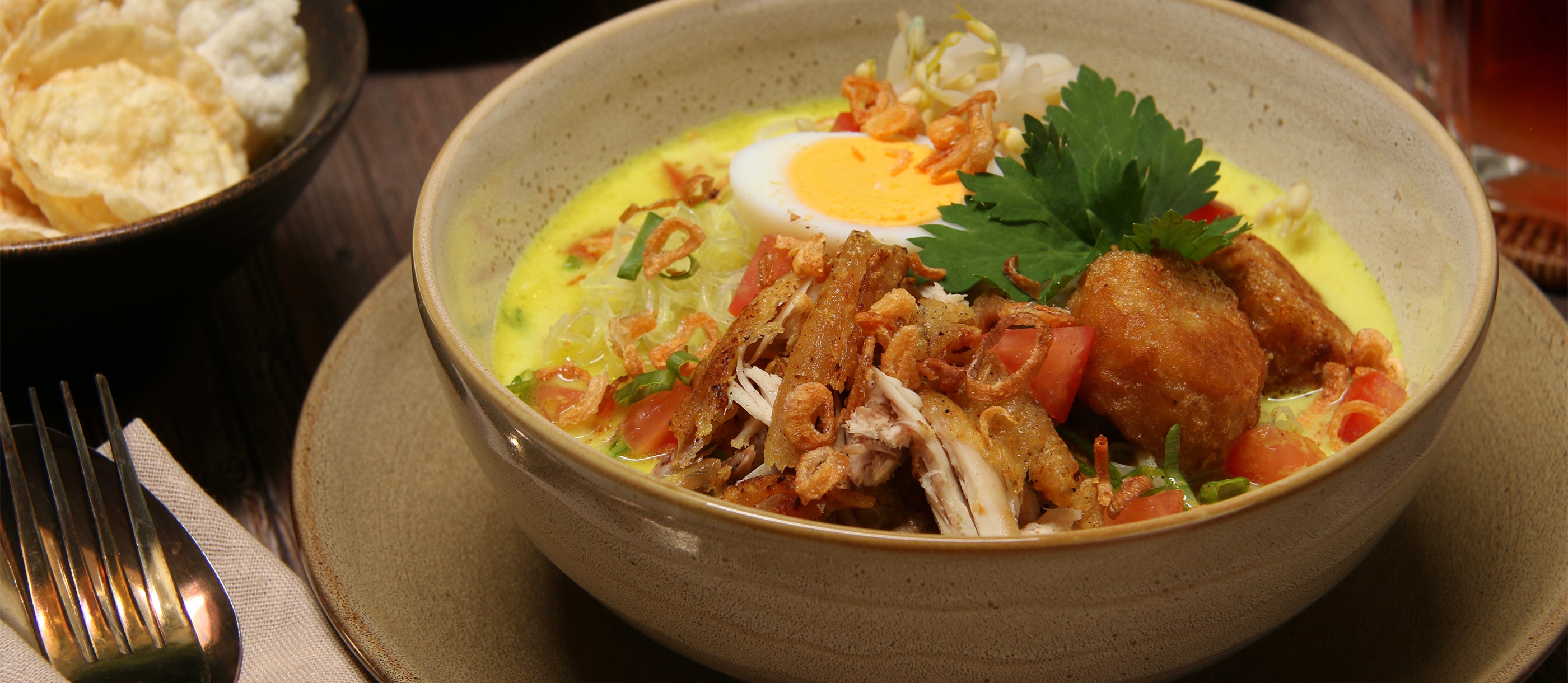
Taste the Magic: Your Ultimate Food Lover’s Guide to Lake Toba
Imagine this: you’re perched on the edge of the world’s largest volcanic lake, a gentle breeze carrying the scent of fragrant spices. Below you, crystal-clear waters stretch to meet verdant hills, and in your hand, a dish bursting with flavors you’ve never encountered before. This isn’t a dream; it’s the culinary reality of Lake Toba, North Sumatra. Prepare to embark on a gastronomic adventure as we unlock the vibrant tastes that make this Indonesian gem a must-visit for any true food lover.
North Sumatra’s culinary landscape is a captivating tapestry woven from indigenous Batak traditions, with subtle threads of Malay, Chinese, and Indian influences. The result is a symphony of bold, nuanced flavors that reflect the region’s rich history and abundant natural resources. Around Lake Toba, this unique blend comes alive, offering an unforgettable dining experience that goes hand-in-hand with its breathtaking scenery.
A Symphony of Batak Flavors: Essential Dishes You Can’t Miss
The heart of Lake Toba’s cuisine lies with the Batak people, and their dishes are a testament to their culinary prowess. Many of these recipes have been passed down through generations, each bite telling a story of local ingredients and time-honored cooking methods.
1. Arsik: The Golden Fish of Toba
If there’s one dish that embodies the soul of Lake Toba, it’s Arsik. Traditionally made with carp or tilapia from the lake itself, Arsik is a slow-cooked masterpiece. The fish is simmered in a vibrant turmeric-based sauce, infused with a complex blend of aromatic spices like ginger, galangal, lemongrass, and kaffir lime leaves. The distinctive yellow hue comes from generous amounts of ground turmeric, giving the dish its signature “golden fish” nickname. The secret to its incredible flavor? The andaliman pepper, a local Sichuan pepper that provides a unique tingling sensation, leaving your palate buzzing with delight. You’ll often find Arsik served with steamed rice, the perfect vehicle to soak up every drop of that fragrant sauce.
2. Saksang: A Rich and Savory Indulgence
For those seeking a deeper, more intense flavor profile, Saksang is a must-try. This dish features finely chopped meat, typically pork or dog meat (though pork is more commonly found in tourist areas), stir-fried with a rich paste of spices, including red chilies, garlic, shallots, and more andaliman. What sets Saksang apart is the addition of blood, which is carefully incorporated into the cooking process, lending the dish its characteristic dark color and a profoundly savory, almost umami-rich taste. It’s a dish that truly showcases the bold culinary spirit of North Sumatra.
3. Dali Ni Horbo: A Creamy, Unique Delight
A truly unique and perhaps surprising delicacy is Dali Ni Horbo. This is a traditional Batak dish made from buffalo milk, which is curdled and cooked until it achieves a firm, almost cheese-like consistency. It’s often seasoned with a savory spice paste, and sometimes served with rice or eaten on its own. The texture is dense and creamy, with a mild, pleasant tang. Experiencing Dali Ni Horbo is a direct connection to the traditional agricultural practices and culinary ingenuity of the Batak people.
Beyond the Classics: Exploring More Local Treasures
While Arsik, Saksang, and Dali Ni Horbo are the stars, Lake Toba’s culinary scene offers a wider spectrum of flavors to explore.
- Naniura: A “raw” fish dish, prepared by marinating fresh lake fish in a potent mixture of lime juice, spices, and often chili. The acidity of the lime “cooks” the fish, resulting in a refreshing and zesty starter.
- Babi Panggang Karo (BPK): Roasted pork, often marinated in a flavorful spice blend before being grilled to perfection. The smoky aroma and tender meat make this a popular choice.
- Manuk Napinadar: A whole chicken dish marinated in a spicy mixture, often wrapped in banana leaves and steamed or grilled. The banana leaves impart a subtle, earthy fragrance to the succulent chicken.
Where to Savor the Flavors: Tips for Your Culinary Journey
Navigating the culinary landscape of Lake Toba is part of the adventure. Here are some tips to help you discover the best local eats:
- Embrace Local Warungs and Rumah Makan: These are the heart and soul of Indonesian dining. Look for busy spots filled with locals – it’s usually a sign of delicious, authentic food at affordable prices. These eateries are perfect for experiencing dishes like Arsik and Saksang.
- Explore the Villages: Venture into the smaller villages surrounding Lake Toba for a more intimate culinary experience. You might stumble upon hidden gems where traditional recipes are prepared with the utmost care.
- Don’t Be Afraid to Ask: Batak hospitality is renowned, and locals are often happy to explain their dishes and cooking methods. Engaging with them can enrich your understanding and appreciation of the food.
- Consider Local Markets: For a true immersion into the ingredients, visit local markets. You’ll see the fresh produce, spices, and sometimes even live fish that form the basis of Toba’s cuisine. It’s a feast for the senses!
- Look for Freshly Caught Fish: Given its location, seafood is a highlight. Opt for dishes featuring freshly caught fish from Lake Toba for the purest taste of the region.
Beyond the Plate: The Cultural Significance of Food
In North Sumatra, and particularly around Lake Toba, food is more than just sustenance; it’s deeply intertwined with culture, tradition, and community. Many dishes are prepared for special occasions, family gatherings, and traditional ceremonies. Sharing a meal is a way of connecting, of passing down heritage, and of celebrating life. When you savor a dish like Arsik, you’re not just tasting spices; you’re tasting history and the warmth of Batak culture.
Your Culinary Adventure Awaits
Lake Toba is a destination that captivates not only with its natural splendor but also with its rich and diverse culinary offerings. From the unique spice of andaliman in Arsik to the comforting richness of Saksang, every meal is an opportunity to delve deeper into the heart of North Sumatra. So, pack your appetite and prepare to unlock the extraordinary flavors that await you by the shores of this magnificent lake.
Ready to plan your own culinary exploration of Lake Toba? [Consider exploring guided food tours or recommended eateries for an even more curated experience.]

Additional Information
Unlock the Flavors of North Sumatra: A Food Lover’s Guide to Lake Toba
Lake Toba, Indonesia’s largest volcanic lake, is renowned for its breathtaking natural beauty and the vibrant culture of the indigenous Batak people. But beyond the stunning vistas and the serene waters, a deeper, more delicious exploration awaits the discerning traveler: the rich and diverse culinary landscape of North Sumatra, with Lake Toba as its tantalizing heart. This guide invites you to embark on a gastronomic journey, uncovering the unique flavors, traditional dishes, and culinary influences that make dining around Lake Toba an unforgettable experience.
A Tapestry of Flavors: The Batak Culinary Heritage
The cuisine of Lake Toba is intrinsically linked to the Batak people, whose traditions and ingredients form the foundation of the region’s food. As highlighted by various sources, North Sumatran dishes are some of the most beloved and popular in Indonesia, making a visit to Sumatra a must for any food enthusiast. The culinary scene here is a fascinating “melting pot of flavors,” a harmonious blend of indigenous Batak traditions with influences from Malay, Chinese, and Indian cultures. This unique fusion creates a palate that is truly distinctive and rich in both history and taste.
Must-Try Dishes: A Culinary Checklist for Lake Toba
For the adventurous food lover, a visit to Lake Toba is an opportunity to sample a array of signature local dishes that will undoubtedly “awaken” your senses. While the specific offerings can vary by the sub-ethnic groups within the Batak community (Humbang, Toba, Karo, Simalungun, Pakpak, and Mandailing), several key dishes are consistently celebrated for their bold flavors and unique preparation methods:
-
Saksang: This is perhaps the most iconic and polarizing Batak dish. Saksang is a rich, spicy stew typically made from pork or dog meat, simmered with a blend of local spices like ginger, galangal, lemongrass, kaffir lime leaves, and blood. The blood adds a distinct richness and deep flavor profile. While not for the faint of heart, it’s an essential culinary experience to understand Batak cuisine.
-
Babi Panggang Karo (BPK): Meaning “Karo roasted pork,” this dish is a more universally appealing yet equally flavorful option. Pork is marinated in a potent mix of spices and then roasted to perfection, often over an open flame. The result is succulent, tender meat with a smoky aroma and a complex flavor that is both savory and slightly sweet.
-
Arsik: This is a fragrant and flavorful fish dish, often prepared with carp or other freshwater fish found in and around Lake Toba. Arsik is characterized by its vibrant yellow color, derived from a generous use of turmeric, and a complex spice paste that includes lemongrass, ginger, galangal, chilies, and the distinctive “andaliman” (Sichuan pepper of Indonesia), which provides a unique tingling sensation.
-
Manuk Napinadar: This is a special dish often prepared for celebrations and important occasions. It features chicken (or duck) that is marinated and then cooked in a rich broth seasoned with ginger, garlic, turmeric, and often the fiery “andaliman.” The preparation can involve steam-cooking or boiling, resulting in tender, flavorful meat infused with aromatic spices.
-
Lappet: A sweet treat that offers a delightful contrast to the savory dishes. Lappet is a type of steamed cake made from glutinous rice flour, often filled with grated coconut and palm sugar. It’s traditionally wrapped in banana leaves, giving it a subtle, earthy aroma.
-
Sambal Andaliman: No Indonesian meal is complete without sambal, and the Sambal Andaliman is a local specialty that deserves your attention. Made with the indigenous “andaliman” pepper, this chili paste offers a distinct citrusy aroma and a unique numbing sensation, adding an exciting kick to any dish.
Beyond the Staples: Exploring Diverse Tastes
While the Batak dishes are the stars of the show, the culinary landscape around Lake Toba also offers a broader spectrum of tastes. As the guide from tobatransporter.com suggests, you’ll find a “world of tastes waiting to tantalize your taste buds,” including international cuisines alongside the traditional. This means that while immersing yourself in the authentic local flavors, you also have options for more familiar palates.
Where to Savor the Flavors:
The best way to experience the culinary delights of Lake Toba is to explore the local eateries and warungs (small, informal restaurants) scattered around the lake’s edge and in its charming villages. Look for places where locals dine, as this is often where you’ll find the most authentic and delicious meals. Don’t hesitate to ask for recommendations from your hosts or guides.
-
Local Markets: For a truly immersive experience, visit the bustling local markets. Here, you can find fresh ingredients, traditional snacks, and even witness food preparation firsthand. It’s a vibrant sensory overload and a great place to discover hidden culinary gems.
-
Eateries in Samosir Island: Samosir Island, the heart of Lake Toba, offers numerous restaurants and cafes catering to tourists. While some may offer more international fare, many also proudly showcase traditional Batak cuisine, allowing you to enjoy these unique dishes with a stunning lake view.
A Culinary Journey Rich in Culture
Each region within North Sumatra offers unique flavors inspired by local traditions and spices. The “culinary exploration rich in flavor and culture” that North Sumatra promises is a journey that goes beyond mere sustenance. It’s an opportunity to connect with the land, the people, and their heritage through the universal language of food. The “signature local dishes around Lake Toba” are not just meals; they are edible stories, passed down through generations, waiting to be savored and appreciated.
So, when you plan your visit to the magnificent Lake Toba, remember to pack your appetite and your sense of adventure. Prepare to be delighted by the complex, spicy, and utterly delicious flavors that await you, a testament to the vibrant culinary soul of North Sumatra. Your taste buds will thank you for it.