

Beyond the Usual Grind: Your Essential Guide to Batak Coffee and Other Local Indonesian Brews
Ever found yourself staring at a coffee menu, overwhelmed by the same old choices? What if we told you there’s a world of captivating flavors waiting to be discovered, right here in Indonesia? From the intensely rich and earthy notes of Batak coffee to the subtle complexities of other regional specialties, this guide is your passport to a truly authentic Indonesian coffee experience. Get ready to tantalize your taste buds and learn what makes Indonesian coffee a global treasure.
The Star of the Show: Unveiling the Magic of Batak Coffee
Hailing from the picturesque highlands surrounding Lake Toba in North Sumatra, Batak coffee is more than just a beverage; it’s a cultural icon. Its distinctive character is a direct result of the unique growing conditions and traditional processing methods employed by the Batak people.
What Makes Batak Coffee So Special?
- Terroir and Tradition: Grown at high altitudes, Batak coffee beans benefit from the fertile volcanic soil and ideal climate of the region. The traditional wet-hulling (Giling Basah) process, a hallmark of Indonesian coffee production, plays a crucial role in shaping its flavor profile. This method, where beans are partially dried, hulled, and then dried again, contributes to the coffee’s signature bold, earthy, and sometimes smoky notes.
- The Flavor Profile: Expect a full-bodied cup with a deep, resonant earthiness. Many describe Batak coffee as having notes of dark chocolate, spice, and a lingering, often rustic, finish. Some varieties, like the sought-after Blue Batak coffee, are known for their unique complexity, offering hints of fruitiness beneath the rich, robust base. This makes it a truly distinctive Indonesian coffee treasure.
- The “Mutu Batak” Connection: When you see “Mutu Batak” on a coffee label, it often signifies coffee sourced through a network of collectors who work directly with smallholder farmers. This approach ensures quality and supports the local community, bringing you coffee that’s as ethically produced as it is delicious.
Experiencing Batak Coffee:
To truly appreciate Batak coffee, consider brewing it using traditional methods like a simple pour-over or even a French press to allow its full body and complex flavors to shine. It pairs wonderfully with local sweets and is often enjoyed black, allowing its inherent character to dominate.
Beyond Batak: Exploring Indonesia’s Diverse Coffee Landscape
While Batak coffee might be the headliner, Indonesia boasts a rich tapestry of other local brews, each with its own unique story and flavor. Venturing beyond the familiar opens up a world of exciting possibilities for coffee enthusiasts.
Other Notable Indonesian Coffee Regions and Their Brews:
- Gayo Highlands (Aceh): Renowned for its high-quality Arabica beans, Gayo coffee offers a brighter, cleaner cup than many Indonesian coffees. Expect floral aromas, citrusy notes, and a smooth, medium body. It’s a testament to the diverse microclimates across Indonesia, showcasing how geography shapes flavor.
- Toraja (South Sulawesi): Toraja coffee is famous for its complex and aromatic profile. These beans often exhibit notes of dark chocolate, caramel, and even hints of tobacco, with a pleasingly syrupy body. The meticulous processing in this region contributes to its refined character.
- Java: While often associated with mass production, traditional Java coffees can be exceptional, often featuring a full body, low acidity, and notes of spice and cocoa. Historically, Java played a significant role in establishing Indonesia’s presence on the global coffee map.
- Sumatra Mandheling: Similar in its earthiness to Batak coffee, Mandheling beans are known for their heavy body, low acidity, and notes of chocolate and cedar. They offer a consistently satisfying and robust coffee experience.
A Quick Look at Indonesian Coffee Varieties:
| Coffee Type | Origin Region | Key Flavor Notes | Body & Acidity |
|---|---|---|---|
| Batak Coffee | Lake Toba, North Sumatra | Earthy, dark chocolate, spice, rustic | Full-bodied, low acidity |
| Gayo Arabica | Gayo Highlands, Aceh | Floral, citrus, smooth, clean | Medium-bodied, medium acidity |
| Toraja | South Sulawesi | Dark chocolate, caramel, tobacco, complex | Syrupy, medium acidity |
| Java Estate Coffee | Java | Cocoa, spice, full-bodied, low acidity | Heavy-bodied, very low acidity |
| Sumatra Mandheling | Sumatra | Earthy, chocolate, cedar, smooth | Heavy-bodied, low acidity |
(Note: Flavor profiles can vary significantly based on specific farm, processing, and roasting methods.)
Your Coffee Adventure Awaits: Tips for Discovery
Ready to embark on your own Indonesian coffee journey? Here’s how to make the most of it:
- Seek Out Local Roasters: Many independent coffee shops and roasters in Indonesia are passionate about sourcing and showcasing local beans. Visit them, ask questions, and try their featured brews. This is a fantastic way to discover hidden gems. [Consider linking to a blog post about finding local coffee shops.]
- Experiment with Brewing: Don’t be afraid to try different brewing methods to unlock the nuances of each coffee. A light roast might be perfect for pour-over, while a darker roast could excel in a French press.
- Read the Labels: Pay attention to origin, varietal, and processing information. This will help you understand what to expect from your cup and guide your future selections.
- Talk to the Baristas: They are your best resource! Baristas are often knowledgeable about the coffees they serve and can offer personalized recommendations.
The Richness of Indonesian Coffee
From the bold embrace of Batak coffee to the nuanced elegance of Gayo and Toraja beans, Indonesia’s coffee heritage is a treasure trove waiting to be explored. Each cup tells a story of the land, the people, and the dedication to craft. So, the next time you’re looking for a truly memorable coffee experience, reach for a local brew and savor the authentic taste of Indonesia. Your daily ritual is about to become a lot more exciting.
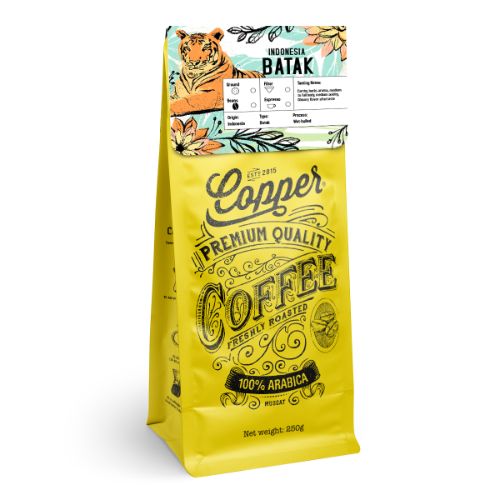
Additional Information
Your Essential Guide to Batak Coffee and Other Local Brews in Indonesia
Indonesia, a nation renowned for its archipelago’s diverse climates and fertile volcanic soils, is a powerhouse in the global coffee market. While Sumatra’s Gayo and Mandheling coffees often steal the spotlight, a distinct and captivating heritage brew is steadily gaining recognition: Batak Coffee. This guide delves into the unique characteristics of Kopi Batak, explores its roots and production methods, and introduces you to the broader landscape of Indonesia’s burgeoning local coffee scene.
Unveiling the Treasures of Batak Coffee
Batak coffee, originating from the picturesque highlands surrounding Lake Toba in North Sumatra, offers a truly distinctive coffee experience. It’s a heritage coffee that tells a story of tradition, terroir, and meticulous craftsmanship.
What makes Batak Coffee so special?
- Bold, Earthy Flavors: The hallmark of Kopi Batak lies in its robust and earthy flavor profile. Expect deep, grounding notes that often carry hints of dark chocolate, tobacco, and sometimes a subtle spice. This complexity is a direct result of the unique growing conditions and processing methods.
- Terroir of Lake Toba: The highlands around Lake Toba provide an ideal microclimate for coffee cultivation. The rich volcanic soil, cool mountain air, and ample rainfall contribute to the slow maturation of the coffee cherries, allowing them to develop a dense and flavorful bean. As search result 3 eloquently puts it, “let your imagination take you on a voyage to the serene highlands, where each bean was nurtured and cared for.”
- Traditional Wet-Hulling (Giling Basah): The distinctive character of Batak coffee is significantly shaped by the wet-hulling (or Giling Basah) processing method, a technique deeply embedded in Indonesian coffee culture. This process, where coffee beans are hulled while still having a high moisture content (around 30-50%), contributes to the coffee’s signature earthy notes and often a slightly darker, more intense cup. Search result 1 highlights this as a key factor in crafting this distinctive heritage coffee.
- The “Blue Batak” Phenomenon: Within the Batak coffee spectrum, Blue Batak has emerged as a particularly prized varietal. This name often refers to coffees that showcase a particularly vibrant blue-green hue in their unroasted state, a visual indicator of the bean’s quality and density. Blue Batak coffee is celebrated for its complex flavor, often described as having a smooth body with fruity undertones alongside its characteristic earthiness. Search results 2 and 4 emphasize its status as a “hidden gem” and a “distinctive Sumatra Blue Batak coffee,” promising unique flavors for coffee enthusiasts.
- A Journey from Farmer to Cup: The journey of Batak coffee is a testament to the dedication of smallholder farmers. Search result 5 sheds light on the collection process, where coffee lots are built with the help of collectors who purchase directly from farmers and at weekly village markets. This direct sourcing ensures that quality is maintained from the ground up. The fermentation stage, often lasting around 24 hours, further refines the bean’s flavor potential.
The Colonial Influence and Indonesia’s Global Coffee Standing:
It’s important to acknowledge the historical context of coffee cultivation in Indonesia. As search result 6 points out, coffee introduction into various countries often has a “strong colonial influence.” However, over time, Indonesia has carved its own identity in the coffee world, consistently ranking among the top coffee-producing nations globally. Batak coffee represents a proud resurgence of indigenous coffee traditions, showcasing Indonesia’s ability to innovate and preserve its unique coffee heritage.
Beyond Batak: Exploring Indonesia’s Diverse Local Brews
While Batak coffee offers a captivating introduction to Indonesia’s coffee prowess, the archipelago is a treasure trove of other unique and locally loved brews. Exploring these local options, as suggested by search result 7, allows you to discover a spectrum of flavors that cater to diverse preferences, making each coffee experience truly distinct.
Here are a few other local brews that are worth seeking out:
- Gayo Coffee (Aceh): Hailing from the Gayo Highlands in Aceh, Sumatra, Gayo coffee is a celebrated Indonesian single origin. It is known for its bright acidity, floral and citrus notes, and a clean, medium body. Unlike the intensely earthy profiles of some Sumatran coffees, Gayo offers a more nuanced and aromatic cup.
- Mandheling Coffee (Sumatra): Another prominent Sumatran star, Mandheling coffee, is often processed using the wet-hulled method, resulting in a rich, syrupy body, low acidity, and complex flavors of dark chocolate, molasses, and sometimes a hint of cedar. It’s a consistently popular choice for its full-bodied character.
- Toraja Coffee (Sulawesi): From the lush highlands of Sulawesi, Toraja coffee is renowned for its full body, low acidity, and a captivating aroma. Expect a smooth, rich cup with notes of chocolate, nuts, and often a subtle fruitiness. The unique terroir of Toraja contributes to its distinctive flavor profile.
- Liberica Coffee: Though less common than Arabica or Robusta, Indonesia is also a significant producer of Liberica beans. Search result 2 mentions these as an “exotic Liberica coffee bean.” Liberica beans are known for their large size and a unique flavor profile that can range from smoky and woody to floral and fruity, offering a truly adventurous coffee experience for the curious drinker.
- Kopi Luwak (Civet Coffee): While controversial and often expensive, Kopi Luwak is a unique Indonesian specialty. It involves coffee beans that have been eaten and excreted by the Asian palm civet. The digestive process is believed to alter the coffee’s proteins, resulting in a smoother, less bitter cup with distinct chocolatey notes.
The Art of Brewing and Enjoying Indonesian Coffee
To truly appreciate the nuances of Batak coffee and other local brews, consider these brewing tips:
- Freshness is Key: Always opt for freshly roasted beans. Buying from local roasters or reputable online suppliers ensures you’re getting beans at their peak flavor.
- Grind Just Before Brewing: The flavor of coffee degrades rapidly after grinding. Invest in a good burr grinder and grind your beans immediately before brewing.
- Water Temperature Matters: Aim for a water temperature between 195-205°F (90-96°C) for optimal extraction.
- Experiment with Brewing Methods: While traditional Indonesian methods often lean towards immersion brewing (like a simple pour-over or French press), feel free to experiment with espresso, Aeropress, or other methods to discover what brings out the best in your chosen coffee.
- Savor the Experience: Take a moment to inhale the aroma, observe the color, and slowly savor each sip. Allow your imagination to transport you to the highlands of Indonesia, as suggested by search result 3, and appreciate the journey each bean has taken.
Indonesia’s coffee landscape is a dynamic and exciting space, with Batak coffee standing as a proud testament to its rich heritage. By exploring these local brews, you not only discover an array of delightful flavors but also connect with the stories and traditions that make Indonesian coffee so captivating. So, the next time you’re in search of a coffee adventure, consider venturing into the depths of flavor offered by Batak coffee and the many other hidden gems of Indonesia.
