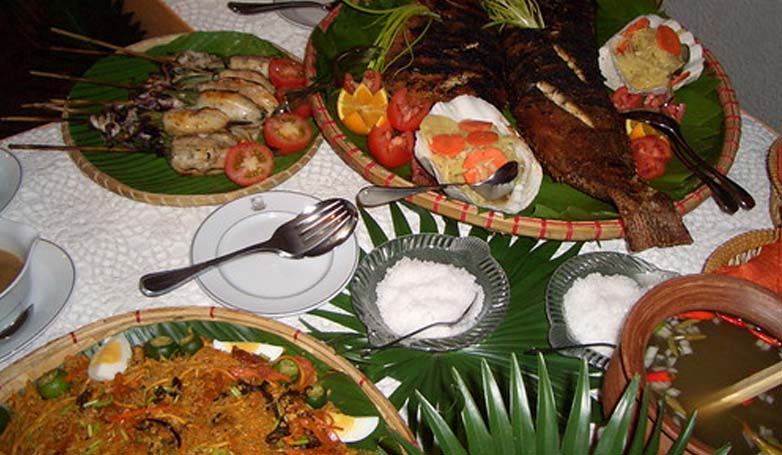
Beyond the Brew: 5 Unforgettable Local Delicacies You MUST Try in Toba
Lake Toba. The name conjures images of breathtaking volcanic landscapes, sapphire waters, and the rich cultural tapestry of the Batak people. While the region is undeniably famous for its stunning scenery, and yes, even a great cup of local coffee, Toba offers a culinary journey that’s just as captivating. Forget the generic tourist menus; to truly experience Toba, you need to dive into its heart through its distinctive local delicacies.
This isn’t just about sustenance; it’s about tradition, heritage, and flavors honed over generations. From aromatic spices to unique cooking methods, Toba’s cuisine tells a story. So, if you’re planning a trip to this Indonesian gem, prepare your taste buds for an adventure. We’ve curated a list of five must-try local dishes that will elevate your Toba experience from memorable to utterly unforgettable.
1. Arsik: The King of Batak Fish Dishes
When you talk about Toba cuisine, Arsik is often the first dish that comes to mind, and for good reason. This iconic dish features freshwater fish, most commonly carp (ikan mas), marinated and cooked in a vibrant, turmeric-based sauce. The magic of Arsik lies in its complex flavor profile. It’s tangy from the use of traditional souring agents like andaliman (a type of Sichuan pepper with a citrusy kick) and asam cikala (batikur/bitter cucumber). The turmeric not only imparts a beautiful golden hue but also a subtle earthiness.
What makes it special? Arsik isn’t just about the taste; it’s about the preservation of tradition. The fish is often cooked whole, allowing the flavors to meld beautifully, and the aromatic herbs and spices create an intoxicating fragrance. It’s typically served with plain rice, allowing the star of the show to shine.
Where to find it: Look for Arsik at local warungs (small eateries) and traditional Batak restaurants. Don’t be afraid to ask your local guide or hotel staff for their favorite Arsik spot – they’ll often point you to the most authentic experiences.
2. Saksang: A Bold and Savory Indulgence
For the adventurous eater, Saksang is a non-negotiable. This rich and intensely flavored dish is a staple in Batak cuisine, traditionally prepared using pork or dog meat, finely chopped and stir-fried with a potent blend of spices. The key ingredients include ginger, garlic, lemongrass, kaffir lime leaves, and, crucially, darah (blood) from the animal, which gives Saksang its characteristic dark color and deep, savory flavor.
What makes it special? Saksang is a celebration of bold flavors and textures. The combination of tender meat, aromatic spices, and the subtle richness from the blood creates a truly unique culinary experience. It’s often served during significant ceremonies and gatherings, highlighting its cultural importance.
Pro Tip: If you’re hesitant about the blood component, many places offer a version made without it, or you can opt for a milder spice blend. However, for the most authentic taste, embrace the traditional preparation!
3. Naniura: The “Bataks’ Sashimi” – A Raw Delight
Imagine a dish that’s akin to sashimi but with a distinctly Toba twist. That’s Naniura. This dish features fresh, raw carp, thinly sliced and marinated in a potent mixture of andaliman, lime juice, shallots, and chili. The lime juice “cooks” the fish through a process called ceviche, while the andaliman provides that signature tingling, citrusy sensation that’s uniquely Batak.
What makes it special? Naniura is a testament to the freshness of Toba’s lake produce. It’s a clean, bright dish that allows the natural sweetness of the fish to come through, amplified by the zesty and slightly spicy marinade. It’s a refreshing counterpoint to the richer, cooked dishes.
For the Curious: While carp is traditional, you might find variations using other freshwater fish. The key is the absolute freshness of the ingredients.
4. Babi Panggang Karo (BPK): The Smoky Barbecue You Won’t Forget
If you’re a fan of barbecue, you’re in for a treat with Babi Panggang Karo (BPK). This dish is essentially grilled pork, but with a flavor profile that’s distinctly Toba. The pork is marinated in a special blend of spices, including galangal, turmeric, and chili, before being slow-grilled over charcoal. The result is succulent, tender meat with a beautiful smoky char and an irresistible savory-sweet taste.
What makes it special? BPK is more than just grilled pork; it’s an experience. Often served with a side of spicy chili sauce (sambal) and fresh vegetables, it’s a communal dish perfect for sharing. The slow-grilling process ensures every bite is packed with flavor.
Where to find the best BPK: Many local eateries specialize in BPK. Look for places with a visible grill and a steady stream of locals – that’s usually a good sign!
5. Mie Gomak: A Flavorful Noodle Adventure
No culinary exploration of Toba is complete without trying Mie Gomak. This popular noodle dish, also known as mie lidi due to the stick-like shape of the dried noodles used, is a hearty and flavorful meal. The noodles are typically cooked and then stir-fried with a rich, savory sauce made from a base of peanut sauce, coconut milk, and a medley of spices like turmeric, ginger, and chilies.
What makes it special? Mie Gomak is comfort food at its finest. The thick, chewy noodles absorb the flavorful sauce beautifully, creating a satisfying and deeply aromatic dish. It can be served in a soupier broth or as a drier stir-fry, offering versatility.
Customization is Key: You can often customize your Mie Gomak with additions like fried shallots, chili flakes, or even a side of fried egg. Don’t hesitate to ask for your preferred level of spice!
Exploring Toba’s culinary landscape is an adventure in itself. From the vibrant spices of Arsik to the bold flavors of Saksang, each dish offers a unique window into the region’s rich cultural heritage. So, as you soak in the stunning views of Lake Toba, remember to also indulge your senses in its incredible food. These five delicacies are just the beginning; the true magic lies in discovering your own favorites.
Ready to plan your Toba food adventure? Start by researching local restaurants and markets in areas like Parapat or Ajibata. Don’t forget to check out local food blogs or travel guides for more hidden gems!
Additional Information
From Coffee to Cuisine: 5 Local Delicacies You Can’t Miss in Toba
Lake Toba, a breathtaking caldera lake in North Sumatra, Indonesia, is renowned not only for its stunning natural beauty but also for its rich and distinctive culinary heritage. The region is predominantly inhabited by the Batak people, whose cultural influences are deeply woven into the local cuisine. While you might be drawn to the region for its panoramic views and the refreshing aroma of local coffee, embarking on a gastronomic journey through Toba’s local delicacies is an equally captivating experience. Prepare to tantalize your taste buds as we explore five must-try dishes that define the flavors of this unique Indonesian destination.
While search results mention dining in Mie, Japan, and general culinary experiences in Mie Prefecture, it’s important to clarify that this article focuses specifically on the culinary delights of Lake Toba in North Sumatra, Indonesia. The references to Mie are acknowledged as separate regional culinary destinations and not directly related to the Toba region.
Here are five local delicacies that you absolutely shouldn’t miss when visiting Lake Toba:
1. Arsik Ikan Mas (Spiced Golden Carp)
Arsik is arguably the most iconic dish of Batak cuisine, and it’s a quintessential Toba experience. This dish features golden carp (ikan mas), a freshwater fish abundant in Lake Toba, slow-cooked in a vibrant and aromatic spice paste. The “arsik” refers to the unique cooking method where the fish is wrapped in a banana leaf or other leaves along with a generous blend of spices.
Key Ingredients and Flavor Profile: The star of arsik is its complex spice paste, often referred to as “bumbu kuning” or yellow spice paste. This typically includes turmeric (for its distinctive yellow hue and earthy flavor), ginger, galangal, garlic, shallots, lemongrass, chili peppers, and the crucial andaliman. Andaliman, a local Szechuan pepper relative, provides a unique citrusy, peppery, and slightly numbing sensation that is characteristic of many Batak dishes. The fish is often prepared whole, and the slow cooking process allows the flavors to meld beautifully, resulting in tender, flaky fish infused with a symphony of spices.
Why You Must Try It: Arsik is more than just a meal; it’s a taste of Batak culture. The unique flavor profile of andaliman sets it apart from other Indonesian fish dishes. It’s a dish that is often prepared for special occasions and family gatherings, symbolizing unity and tradition. The freshness of the fish sourced directly from Lake Toba further elevates its quality.
2. Naniura (Raw Fish Salad)
For the adventurous palate, Naniura offers an exotic and unforgettable culinary experience. This dish is a raw fish salad prepared using a traditional method that “cooks” the fish through the acidity of local ingredients. It’s a testament to the ingenuity of Batak culinary practices, preserving the freshness of the fish while infusing it with distinctive flavors.
Key Ingredients and Flavor Profile: Similar to ceviche, Naniura typically uses freshwater fish, often carp or tilapia, which is diced and then marinated in a mixture that includes asam kincong (a sour ingredient similar to lime or tamarind but with a unique aroma), andaliman, chili, and other local spices. The fish is left to “cook” in this acidic marinade for a period, transforming its texture and imparting a tangy, spicy, and zesty flavor. The addition of andaliman contributes its signature tingling sensation.
Why You Must Try It: Naniura is a direct link to ancient Batak food preservation methods. It’s a dish that showcases the pure, unadulterated flavor of the fresh fish from Lake Toba. The unique combination of sourness, spiciness, and the subtle numbing effect of andaliman makes it an intensely flavorful and memorable dish, often described as a refreshing and palate-cleansing experience.
3. Saksang (Spiced Pork or Dog Meat)
Saksang is another prominent dish in Batak cuisine, known for its rich and complex flavor profile. Traditionally, it is prepared using pork or dog meat, though variations with other meats might exist. This dish is a celebrated part of Batak feasts and gatherings.
Key Ingredients and Flavor Profile: Saksang is characterized by its generous use of spices, including ginger, galangal, garlic, shallots, chili peppers, and crucially, blood. The meat is typically diced and slow-cooked in a blend of these spices and animal blood (often pork blood), which contributes to its deep color and rich, savory taste. Andaliman is also frequently incorporated, adding its signature citrusy and peppery notes.
Why You Must Try It: Saksang offers a robust and intensely flavorful culinary experience that is deeply rooted in Batak tradition. While the inclusion of blood might be unfamiliar to some, it is a key element that defines the authentic taste and texture of the dish. It’s a powerful expression of Batak culinary identity, often served during significant celebrations. (Note: It’s advisable to confirm the type of meat used with your server if you have dietary restrictions.)
4. Babi Panggang Karo (Karo-Style Roasted Pork)
For lovers of succulent roasted meats, Babi Panggang Karo is an absolute must-try. This dish hails from the Karo Batak people, a sub-group within the larger Batak community, and offers a delightful contrast to the more heavily spiced dishes.
Key Ingredients and Flavor Profile: The focus here is on the quality of the pork, which is typically marinated and then roasted to perfection. The marination often involves a blend of soy sauce, garlic, ginger, and sometimes a hint of sweetness. The roasting process results in tender, juicy meat with a crispy, caramelized exterior. While it may not be as complex in spice as some other Batak dishes, the simplicity allows the natural flavor of the pork to shine through.
Why You Must Try It: Babi Panggang Karo is a testament to the Batak mastery of roasting. It’s a dish that appeals to a broader range of palates while still retaining its distinct regional character. The succulent texture and savory flavor make it an incredibly satisfying and delicious meal. It’s often enjoyed with rice and a side of chili sauce.
5. Mie Gomak (Spaghetti Batak)
While Toba is known for its fish dishes, the influence of noodles is also evident, with Mie Gomak being a local favorite. Often referred to as “Batak Spaghetti,” this dish is a hearty and flavorful noodle preparation that is a staple in the region.
Key Ingredients and Flavor Profile: Mie Gomak features thick, hand-rolled spaghetti-like noodles that are typically stir-fried or served in a rich, spicy broth. The stir-fried version, known as Mie Gomak Goreng, is tossed with a flavorful spice paste, vegetables, and often pieces of chicken or shrimp. The broth-based version, Mie Gomak Kuah, is served in a fragrant and savory soup. Andaliman is a common ingredient in the spice paste, contributing its characteristic zing.
Why You Must Try It: Mie Gomak offers a comforting and satisfying noodle experience that is uniquely Batak. It’s a versatile dish that can be enjoyed in different ways, catering to various preferences. The chewy texture of the noodles combined with the flavorful spices makes it a delicious and accessible introduction to Batak cuisine.
Beyond the Plate:
Exploring the local cuisine of Toba is an integral part of experiencing its culture. Many of these dishes are best enjoyed at local eateries, warungs, and restaurants that have perfected these recipes over generations. Engaging with the local vendors and learning about the ingredients and preparation methods can further enrich your culinary adventure. From the aromatic depths of Arsik to the adventurous tang of Naniura, the flavors of Toba are as captivating and memorable as the stunning landscapes surrounding the lake. So, as you plan your visit, make sure to leave ample room in your itinerary – and your stomach – for these delightful local delicacies.