The Power of Craft: 7 Projects to Celebrate North Sumatra’s Rich Cultural Tapestry
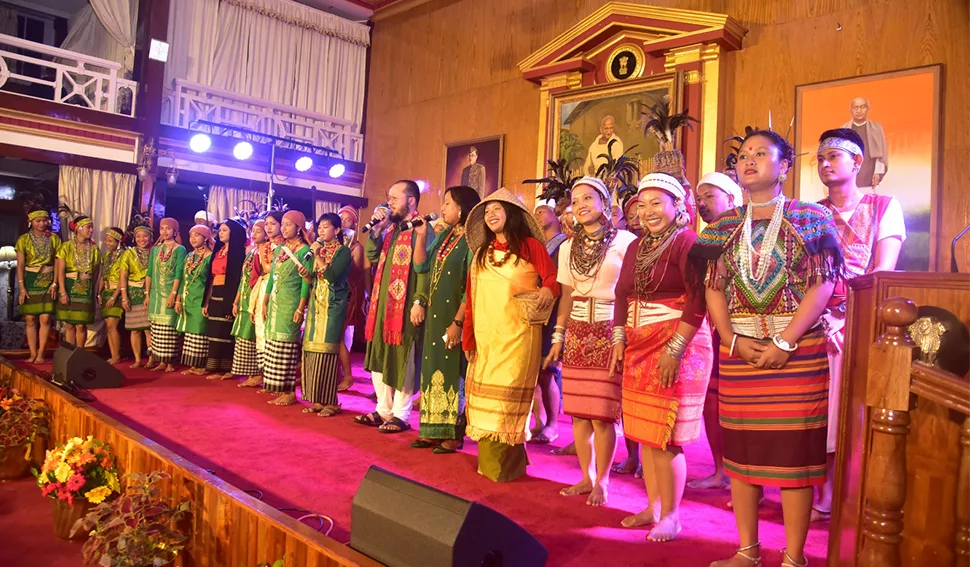
North Sumatra, Indonesia, is a region pulsating with vibrant traditions, colorful festivals, and a deep-rooted sense of cultural identity. From the intricate Batak carvings to the lively celebrations of Lake Toba, the cultural tapestry of this area is nothing short of mesmerizing. This post delves into the power of craft by exploring seven engaging projects that not only celebrate North Sumatra’s rich cultural heritage but also invite individuals to participate in this legacy. Let’s uncover how you can embrace and enrich your understanding of these traditional crafts while contributing to the preservation of local culture.
1. Batak Weaving: Crafting Stories into Textiles
The Batak people boast a rich textile heritage, notably their ulos cloth, signifying love, respect, and honor. A project to consider is learning the art of Batak weaving through workshops offered in Medan or village communities. Not only does this allow participants to acquire skills in using traditional looms, but it also connects them to stories woven into each fabric.
Takeaway: Look for local workshops or online tutorials to learn the basics of ulos weaving. Consider creating a personalized piece to gift to friends or family, thus spreading awareness of this beautiful tradition.
2. Sculpting Batak Carvings: The Soul of Tradition
Batak carvings showcase the region’s spirituality and artistry, with motifs depicting nature, ancestral ties, and local folklore. Engage in sculpting projects focused on Batak carvings; this could range from simple woodwork at home to advanced workshops guided by local artisans.
Action Step: Gather materials such as softwood and carving tools, and mimic traditional patterns found in local museums or online platforms. Sharing your finished work on social media can also inspire others to delve into Batak culture.
3. Cooking Authentic Sumatran Cuisine: A Feast for the Senses
One of the best ways to understand a culture is through its food. North Sumatra’s cuisine, influenced by various ethnic traditions, offers delightful dishes such as Nasi Goreng Kampung and Soto Medan. Organize a cooking class or attend one to learn how to prepare these traditional dishes.
Tip: Document your cooking journey, sharing recipes and tips online to engage with a broader audience interested in culinary traditions.
4. Creating Traditional Musical Instruments: A Symphony of Cultures
The diverse cultural mix in North Sumatra is echoed in its music, with instruments like the gendang (drum) and serunai (flute). DIY projects introducing everyone to crafting these instruments can create a fun learning environment while promoting regional music heritage.
Action Step: Research how to make a simple version of a gendang using readily available materials. Organize a community event where participants can showcase their instruments and play traditional music together.
5. Participating in Cultural Festivals: Bringing Traditions to Life
North Sumatra is renowned for its vibrant festivals, particularly the Lake Toba Festival, which unites various ethnic groups and showcases their traditions. Participating in these festivals, whether through volunteering, performing, or attending, provides an immersive experience unlike any other.
Engagement Idea: Plan a visit to one of these festivals, and utilize storytelling techniques to share your experiences on a blog or social media. Highlight the significance of each event in preserving North Sumatra’s cultural identity.
6. Art Projects Inspired by Local Folklore
Using local folklore and stories as the foundation for artistic projects can reveal the cultural values and lessons embedded within North Sumatra’s heritage. Consider organizing an art workshop focusing on storytelling through painting or sculpture.
Takeaway: Encourage participants to illustrate their interpretations of local legends, fostering a deeper connection to the symbolic narratives that shape the region’s cultural landscape.
7. Learning Traditional Dance: A Moving Art Form
Dance is an expressive medium that conveys rich stories and traditions. North Sumatra offers unique dance forms such as the Tor-Tor dance of the Batak people. Enroll in classes to learn these dances or host your own dance workshops.
Action Step: Create regular dance sessions where community members can learn and share dances. Use these gatherings as platforms for cultural exchange, inviting guests to learn about the significance behind the movements.
Conclusion: Crafting a Cultural Legacy
Embracing the power of craft in North Sumatra provides a multifaceted approach to understanding its rich cultural tapestry. From weaving textiles to creating music and food, each project not only enriches our lives but also plays a crucial role in preserving and celebrating diverse traditions. Let’s commit to engaging with these art forms, sharing our experiences, and fostering a newfound appreciation for the artistry rooted deeply in the heart of North Sumatra.
As you explore these project ideas, remember that by participating in these crafts, you’re helping sustain a rich cultural heritage for future generations. Whether you’re an artist, a cook, a dancer, or simply a curious explorer, there’s a place for everyone in this celebration of North Sumatra’s crafts.
Additional Information
The Power of Craft: 7 Projects to Celebrate North Sumatra’s Rich Cultural Tapestry
North Sumatra, Indonesia, is a region teeming with a rich cultural tapestry woven from the threads of diverse ethnic groups, traditions, and histories. The area’s complex heritage, defined by its unique customs, arts, and festivals, offers countless opportunities for artistic exploration and community engagement. This article highlights seven craft projects designed to celebrate and engage with the cultural richness of North Sumatra.
1. Batak Wood Carving Workshop
Project Overview:
Batak wood carving is an iconic art form originating from the Batak people of North Sumatra. Participants will learn to create their own wood sculptures inspired by traditional motifs.
Cultural Significance:
This craft reflects the Batak culture’s connection to their ancestors and nature. The carvings often tell stories or depict spiritual beliefs, serving as both functional and decorative items in Batak households.
2. Traditional Songket Weaving Classes
Project Overview:
Songket is a traditional handwoven fabric adorned with gold or silver threads. Classes will guide participants through the intricate process of weaving songket, using traditional looms.
Cultural Significance:
Songket is more than just fabric; it holds historical and cultural value among various ethnic communities, often worn during important ceremonies and festivals, such as the Lake Toba Festival.
3. Culinary Journey: Sumatran Cuisine
Project Overview:
A hands-on cooking class will immerse participants in the diverse flavors of North Sumatran cuisine, focusing on dishes like Nasi Goreng Medan and Soto Medan.
Cultural Significance:
Food plays a central role in cultural identity, and North Sumatra’s culinary landscape reflects a fusion of Malay, Javanese, Indian, and Chinese influences, making its cuisine a delicious expression of its multicultural society.
4. Traditional Music Instruments Crafting
Project Overview:
Participants will have the chance to craft their own traditional Sumatran musical instruments, such as the ‘gondang’ (a type of drum) or the ‘saluang’ (a bamboo flute).
Cultural Significance:
Music is integral to community gatherings and rituals in North Sumatra. These instruments are often used in traditional performances, connecting individuals to their cultural roots.
5. Cultural Festivals: Event Planning
Project Overview:
Participants will collaborate to plan a mini festival that showcases North Sumatran culture, incorporating crafts, food, music, and dance.
Cultural Significance:
Engaging with festivals like the Lake Toba Festival allows participants to experience first-hand the vibrant expressions of Sumatran identity and community cohesion.
6. Traditional Dances and Costumes
Project Overview:
Workshops will introduce participants to traditional Sumatran dances, such as the Tor Tor dance, alongside costume-making sessions for traditional attire.
Cultural Significance:
Dance serves as a storytelling medium and is often integral to rituals and ceremonies. The rich attire enhances the visual spectacle, reinforcing cultural narratives.
7. Collaborative Art Installation: The Story of North Sumatra
Project Overview:
Together, participants will create a large-scale mural or installation that represents the stories and elements of North Sumatra’s culture, incorporating various artistic techniques from the projects above.
Cultural Significance:
This collaborative effort symbolizes unity and the shared narratives of diverse ethnic groups in North Sumatra, fostering a appreciation of cultural diversity.
Conclusion
North Sumatra’s cultural tapestry is a vibrant mosaic of traditions, beliefs, and art forms, deeply rooted in its diverse ethnic heritage. Each of the craft projects outlined above serves as a means to connect with and celebrate this rich cultural legacy. By actively engaging in these projects, participants can enhance their understanding of North Sumatra’s heritage and foster respect and admiration for its traditions. The opportunities to learn, create, and share knowledge in a collaborative environment empower individuals to not only appreciate the past but also contribute to the cultural fabric of the present and future.