

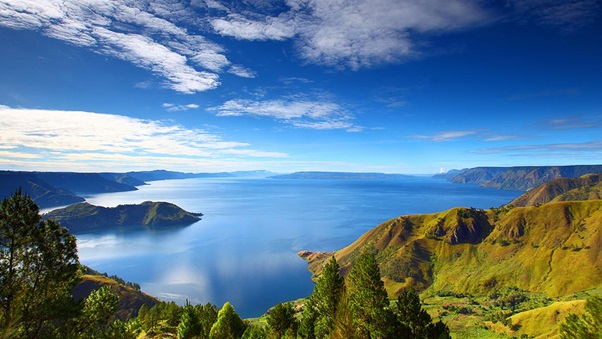
Ready to ditch the crowds and dive into the heart of North Sumatra’s natural splendor? For 2025, the legendary Lake Toba beckons with more than just its iconic sapphire waters. Beyond the well-trodden paths lie hidden eco-adventures, promising authentic experiences that respect and celebrate this magnificent caldera. If you’re seeking sustainable travel and a deeper connection with nature and culture, prepare to uncover some truly special gems.
Uncovering Lake Toba’s Secret Eco-Adventures for 2025
Lake Toba isn’t just a destination; it’s an experience. This colossal volcanic caldera, the largest in the world, offers a tapestry of lush landscapes, vibrant traditions, and the chance to engage in eco-tourism that leaves a positive footprint. This year, we’re venturing off the beaten path to reveal five eco-adventures that capture the true spirit of Lake Toba.
1. The Serene Trek to Situmurun Waterfall: A Refreshing Escape
Forget crowded viewpoints. For those willing to embark on a gentle trek, the journey to Situmurun Waterfall is a reward in itself. Nestled amidst verdant jungle, this cascading wonder offers a refreshing natural plunge pool perfect for a cooling dip. The trail is generally accessible, allowing you to immerse yourself in the local flora and fauna. It’s an opportunity to appreciate the raw beauty of the region, far from the usual tourist buzz.
- Eco-Tip: Pack out everything you pack in. Carry a reusable water bottle and avoid single-use plastics to keep this pristine spot unspoiled.
2. Kayaking and Exploring the Lesser-Known Islands
While Samosir Island dominates the Lake Toba experience, numerous smaller, less-developed islands dot the expansive lake. Renting a kayak offers an unparalleled way to connect with the water, paddle at your own pace, and discover secluded coves. Imagine gliding across the tranquil surface, the vastness of the caldera stretching before you, and stumbling upon a tiny, uninhabited island for a private picnic. This is eco-adventure at its most intimate.
- Actionable Insight: Many local guesthouses and tour operators can arrange kayak rentals. Look for options that offer guided tours emphasizing conservation awareness. [Consider linking to a local adventure provider’s eco-tour page].
3. Immersive Village Homestays with a Sustainable Focus
To truly understand Lake Toba, engage with its heart – the Batak people. Opting for a homestay in a traditional village, particularly one that actively promotes sustainable practices, provides an authentic cultural exchange. You’ll learn about local farming techniques, traditional crafts, and the unique Batak way of life. Many of these homestays are run by families who are deeply invested in preserving their heritage and environment.
- What to Expect: Participate in daily village activities, share meals, and learn a few basic Batak phrases. This experience offers a stark contrast to typical resort stays, fostering genuine connection.
4. Guided Nature Walks and Birdwatching in the Surrounding Hills
The hills and forests surrounding Lake Toba are a biodiversity hotspot. Local guides, often with generations of knowledge, can lead you on enriching nature walks. These aren’t just hikes; they are educational journeys into the ecosystem. Spot endemic bird species, learn about medicinal plants, and gain a deeper appreciation for the delicate balance of this natural wonderland.
- Planning Ahead: Engage with local guides directly through community tourism initiatives. This ensures your money directly supports the local economy and conservation efforts.
5. Culinary Exploration: Farm-to-Table Batak Cuisine
Food is a vital part of any culture, and Lake Toba is no exception. Discover the rich flavors of Batak cuisine through farm-to-table experiences. Seek out restaurants or homestays that source their ingredients directly from local farms and producers. This not only ensures the freshest, most authentic taste but also supports sustainable agricultural practices and reduces the carbon footprint associated with food transportation. Try local specialties like Arsik Ikan Mas (carp cooked in a tangy turmeric sauce) prepared with locally grown herbs.
- Engagement Opportunity: Ask your hosts or guides about their favorite local dishes and the stories behind them. This culinary exploration is a delicious way to connect with the land and its people.
Why Eco-Adventures Matter at Lake Toba
Lake Toba is a precious natural and cultural heritage site. As visitor numbers continue to grow, embracing eco-tourism isn’t just a trend; it’s a necessity. By choosing responsible travel options, you contribute to the preservation of its breathtaking landscapes, the protection of its unique biodiversity, and the empowerment of local communities.
For 2025, let your journey around Lake Toba be one of discovery, respect, and genuine connection. These hidden eco-adventures offer a profound way to experience the magic of this extraordinary place.
- Further Reading: Learn more about how to travel responsibly in Lake Toba by exploring resources on eco-tourism and sustainable travel practices in Indonesia. [Consider linking to a comprehensive guide on responsible travel in Sumatra].
Embrace the spirit of adventure and tread lightly. Lake Toba’s most unforgettable experiences await those who seek them with an open heart and a mindful approach.
Additional Information
Uncover 5 Hidden Eco-Adventures Around Lake Toba for 2025: Sustainable Exploration for the Conscious Traveler
Lake Toba, the colossal caldera lake in North Sumatra, Indonesia, is a natural masterpiece. Beyond its iconic turquoise waters and the majestic Samosir Island, lies a treasure trove of hidden eco-adventures waiting to be discovered. As responsible tourism gains momentum, 2025 presents the perfect opportunity to explore Lake Toba’s pristine beauty and vibrant culture in a sustainable and immersive way. This guide, drawing on insights from various sources, uncovers five off-the-beaten-path experiences that promise unforgettable memories for the eco-conscious traveler.
The Rise of Eco-Tourism in Lake Toba
Lake Toba is not just a stunning tourist destination; it’s a vital ecosystem that needs protection. As highlighted by Toba Adventures, responsible travel is paramount to preserving its beauty and supporting local communities. This growing awareness means that finding experiences that prioritize sustainability and offer authentic interactions is increasingly important. In 2025, expect a greater emphasis on eco-friendly accommodations, community-based tourism initiatives, and activities that minimize environmental impact. As pointed out in “Discover Hidden Eco-Friendly Travel Gems,” travelers are actively seeking destinations that blend natural beauty with conservation efforts.
Here are five hidden eco-adventures around Lake Toba to inspire your 2025 journey:
1. Trekking to the Refreshing Situmurun Waterfall: A Verdant Escape
While many visitors flock to the more accessible waterfalls, the Situmurun Waterfall stands out as a true hidden gem. As mentioned in the “Explore 5 Hidden Gem Tours Around Lake Toba!” article, this waterfall offers a refreshing and less crowded experience. The journey to Situmurun is an adventure in itself, often involving a moderate trek through lush, verdant landscapes.
Eco-Analysis: This adventure directly supports ecotourism by encouraging exploration of natural environments with minimal infrastructure. The act of trekking inherently promotes a lower carbon footprint compared to motorized transport. Visitors can engage with local guides who possess in-depth knowledge of the flora and fauna, fostering an appreciation for the delicate ecosystem. The refreshing waters provide a natural and invigorating experience, a stark contrast to manufactured attractions.
For 2025: Look for guided treks that emphasize Leave No Trace principles and provide opportunities to learn about the local biodiversity. Consider staying in homestays near the waterfall to directly contribute to the local economy.
2. Exploring the Simanindo Village Cultural Trail: Immersing in Batak Heritage
While Samosir Island is a must-visit, venturing beyond the main tourist hubs reveals the rich cultural tapestry of the Batak people. The Simanindo Village Cultural Trail offers an opportunity to delve into traditional Batak life, explore ancient stone chairs, and witness captivating traditional dances. This experience goes beyond passive sightseeing, encouraging active engagement with the local heritage.
Eco-Analysis: This adventure is deeply rooted in cultural preservation, a key aspect of sustainable tourism. By supporting villages like Simanindo, travelers directly contribute to the livelihoods of local communities, ensuring that traditional practices and knowledge are passed down. The focus on cultural immersion encourages respect for local customs and traditions, fostering a more meaningful travel experience. Transportation to these villages often involves local boats or motorbikes, which, when used responsibly, have a lower environmental impact than large tour buses.
For 2025: Seek out tours that partner directly with the Simanindo community, ensuring that a significant portion of your spending benefits the locals. Consider attending a traditional Batak meal prepared with locally sourced ingredients.
3. Kayaking the Serene Bays of Uluan: Uncovering Quiet Coves
While boat tours are popular, exploring Lake Toba’s quieter bays by kayak offers an intimate and environmentally friendly way to discover hidden corners. The Uluan area, known for its tranquil waters and less-visited shorelines, provides an ideal setting for this type of exploration. Glide through the calm waters, observing the diverse birdlife and the stunning reflections of the surrounding hills.
Eco-Analysis: Kayaking is a zero-emission activity, making it one of the most sustainable ways to experience the lake. It allows for a much closer and more personal connection with the natural environment, fostering a sense of stewardship. Paddling through quiet bays minimizes disturbance to aquatic life and the natural soundscape of the lake. It also promotes physical well-being, aligning with a healthy and conscious travel ethos.
For 2025: Partner with local operators who provide eco-friendly kayaking equipment and adhere to responsible boating practices. Pack reusable water bottles and snacks to minimize waste on the water.
4. Discovering the Traditional Weaving Villages of Lumban Lobu: Supporting Local Artisans
Beyond the popular attractions on Samosir Island, the smaller villages like Lumban Lobu hold immense cultural value. This village is renowned for its traditional Batak ulos weaving. Visiting these workshops allows travelers to witness the intricate process of creating these culturally significant textiles and purchase authentic crafts directly from the artisans.
Eco-Analysis: This adventure directly supports local livelihoods and the preservation of traditional crafts. By buying directly from artisans, travelers ensure that their money goes to the creators, promoting economic sustainability within the community. The production of ulos often uses natural dyes and traditional techniques, minimizing the environmental footprint compared to mass-produced textiles. It’s an opportunity to appreciate the skill and artistry involved, fostering a deeper understanding of Batak culture.
For 2025: Look for opportunities to participate in short weaving workshops or demonstrations. Engage with the artisans to learn about the symbolism and cultural significance of different ulos patterns.
5. Birdwatching and Nature Walks in the Batang Toru Ecosystem (Periphery): Biodiversity Hotspot
While the Batang Toru ecosystem is a broader region, its fringes near Lake Toba offer incredible opportunities for birdwatching and nature walks. This area is a critical habitat for various endemic species, including the critically endangered Tapanuli Orangutan. While access to the core protected areas may be restricted or require specialized permits, guided walks in the surrounding buffer zones can be incredibly rewarding.
Eco-Analysis: This adventure directly contributes to conservation efforts by raising awareness and supporting local guides and initiatives focused on protecting this vital biodiversity hotspot. Birdwatching and nature walks are low-impact activities that encourage observation and appreciation for the natural world. By understanding the importance of this ecosystem, travelers become advocates for its preservation.
For 2025: It is crucial to engage with reputable local guides who are knowledgeable about the ecosystem and adhere to strict conservation guidelines. Ensure any tours you book are committed to ethical wildlife viewing and minimizing disturbance to the habitat. Research organizations actively involved in Batang Toru conservation and consider donating or volunteering if possible.
Traveling Responsibly in Lake Toba
As you plan your 2025 eco-adventures around Lake Toba, remember the principles of responsible travel:
- Choose eco-friendly accommodations: Opt for guesthouses or resorts that demonstrate a commitment to sustainability, such as those that manage waste responsibly, conserve water, and use renewable energy.
- Support local businesses: Eat at local warungs, buy souvenirs from local artisans, and hire local guides. This ensures that your tourism dollars directly benefit the communities you visit.
- Minimize waste: Carry reusable water bottles, avoid single-use plastics, and dispose of trash properly.
- Respect local culture: Dress modestly when visiting villages and religious sites, and always ask for permission before taking photographs of people.
- Conserve water and energy: Be mindful of your consumption of these resources.
- Learn and engage: Take the time to learn about the local culture, history, and environment. Engage respectfully with local communities.
By embracing these hidden eco-adventures and traveling responsibly, your 2025 journey to Lake Toba will not only be an unforgettable experience but also a positive contribution to the preservation of this incredible natural and cultural treasure. As the insights from Toba Adventures suggest, exploring Lake Toba is about immersing yourself in a world rich in ecological wonders and vibrant local culture. Embrace the call to adventure, sustainably.
