
Planning a trip to the Island of the Gods? You’ve likely heard whispers about the rainy season in Bali. Many travelers worry that booking a trip between November and March will result in a washout vacation. However, the reality of Bali’s wet season, often referred to as the Green Season Bali, is often far more manageable—and rewarding—than most people expect.
In this guide, we break down exactly when the rainy season occurs in 2026, what you can expect in terms of weather intensity, and why visiting during these months might actually be the smartest move you make this year.
When is the Rainy Season in Bali (2026)?
The wet season in Bali typically spans from November to March, with the peak of the monsoon intensity occurring between December and February. While you might see the occasional shower as early as late October or as late as April, the core months are characterized by increased humidity and tropical downpours. During these peak months, understanding the nuances of December weather Bali and typical January rainfall can help set expectations.

It is important to note that “rainy season” does not mean it rains 24/7. In 2026, weather patterns continue to follow the tropical trend: mornings are often bright and sunny, while rain clouds tend to gather in the afternoons or during the night. These tropical storms are usually heavy but short-lived, clearing the air and cooling down the humidity.
How Bad is the Rainy Season?
Many travelers ask, “how bad is the rainy season in Bali?” The answer depends largely on your perspective and your itinerary. While the rainfall can be intense, it rarely ruins a trip entirely if you are prepared.
The Reality of Tropical Downpours
The rain in Bali is rarely a constant drizzle. Instead, you are more likely to experience sudden, dramatic downpours, sometimes even torrential rain, that last an hour or two. Once the clouds break, the sun often returns quickly, drying up the streets and allowing you to resume your outdoor activities.
Humidity and Cloud Cover
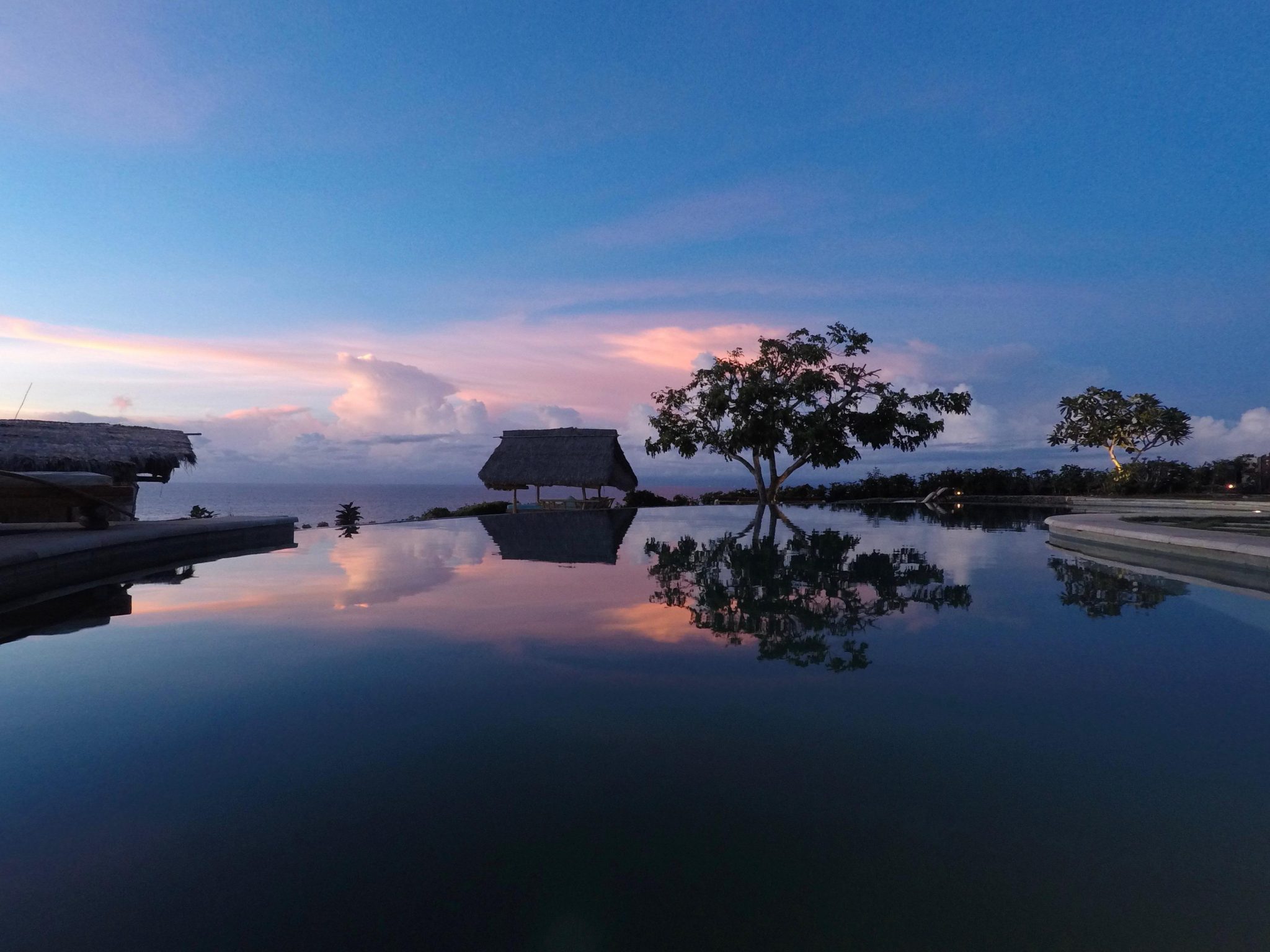
One of the most noticeable differences during the wet season is the higher humidity levels. If you are sensitive to heat, the air can feel “heavy.” Additionally, you will see more cloud cover than during the dry season. While this means fewer “perfect” golden hours for sunset photography, it also means the temperatures are slightly more bearable for jungle treks and temple exploration. This can also mean an increase in mosquitoes rainy season Bali, so it’s wise to pack repellent.
Why You Should Consider Visiting in the Wet Season
Despite the risk of rain, there are massive advantages to visiting Bali during the off-peak months. If you can handle a little water, your wallet—and your stress levels—will thank you.
Fewer Crowds: Popular hotspots like Ubud, Seminyak, and Uluwatu are significantly less congested. You won’t be fighting for space at famous cafes or tourist attractions.
Lower Prices: Accommodation and flight prices often drop during the rainy season. You can score luxury villas for a fraction of the cost compared to the peak months of July and August.
- Lush Landscapes: The rice terraces in Tegalalang and Jatiluwih are at their absolute greenest during the rainy season. This is particularly true for areas like Ubud rainy season, where the jungle comes alive with vibrant flora. The waterfall flows are also at their peak power, making for incredible photos and swimming experiences. For those interested in surfing conditions Bali wet season, many spots offer consistent swells and fewer crowds, making it an ideal time for experienced surfers.
Tips for Surviving the Bali Wet Season
To make the most of your 2026 trip, you need to be strategic. Here are our top tips for navigating the rain:
- Embrace the Afternoon Nap: When the afternoon downpour hits, take the opportunity to relax. Head back to your hotel, enjoy a spa treatment, or catch up on reading.
- Stay Flexible: Don’t book every single hour of your day. Keep your schedule open so you can swap an outdoor beach day for a museum visit, a cooking class, or explore other indoor activities Bali and things to do on a rainy day if the weather looks gloomy.
- Pack Accordingly: Bring a lightweight, breathable rain jacket and a waterproof dry bag for your electronics. You don’t need heavy rain gear, as it is still very warm outside.
- Stay Informed: Keep an eye on local weather apps, but take them with a grain of salt. Tropical weather is notoriously difficult to predict, and a “rainy” forecast often just means a 30-minute shower.

Conclusion: Is it Worth It?
The rainy season in Bali is not “bad” at all—it is simply a different side of the island. By visiting between November and March, you trade the constant sunshine of the dry season for lush, vibrant landscapes, fewer crowds, and incredible luxury at a discount.
If you don’t mind a short, refreshing downpour, 2026 is a fantastic year to explore Bali. Just pack a sense of adventure, a good rain shell, and an open mind, and you will find that the island is just as magical in the rain as it is under the sun.