
Planning a dream trip to the Island of the Gods? One of the most common questions travelers ask as they prepare for their 2026 getaway is: “What language is spoken in Bali, Indonesia?” Understanding the linguistic diversity of this vibrant island is not just about communication; it’s about connecting with the local culture on a deeper level.
While Bali is a province of Indonesia, it boasts a unique linguistic identity that blends national unity with ancient tradition. Many visitors often ask, “what language is spoken in Bali, Indonesia?” Whether you are navigating a local market in Ubud or checking into a luxury resort in Uluwatu, here is everything you need to know about navigating Bali’s multilingual environment.
The Linguistic Trifecta: Indonesian, Balinese, and English
In Bali, you will frequently encounter a “linguistic trifecta.” This unique blend helps answer the question of what language is spoken in Bali, Indonesia. Most locals are trilingual, adept at code-switching and navigating their daily lives by switching between three distinct languages based on the situation, the location, and the person they are speaking with, reflecting the island’s rich linguistic diversity.
1. Bahasa Indonesia: The National Connector
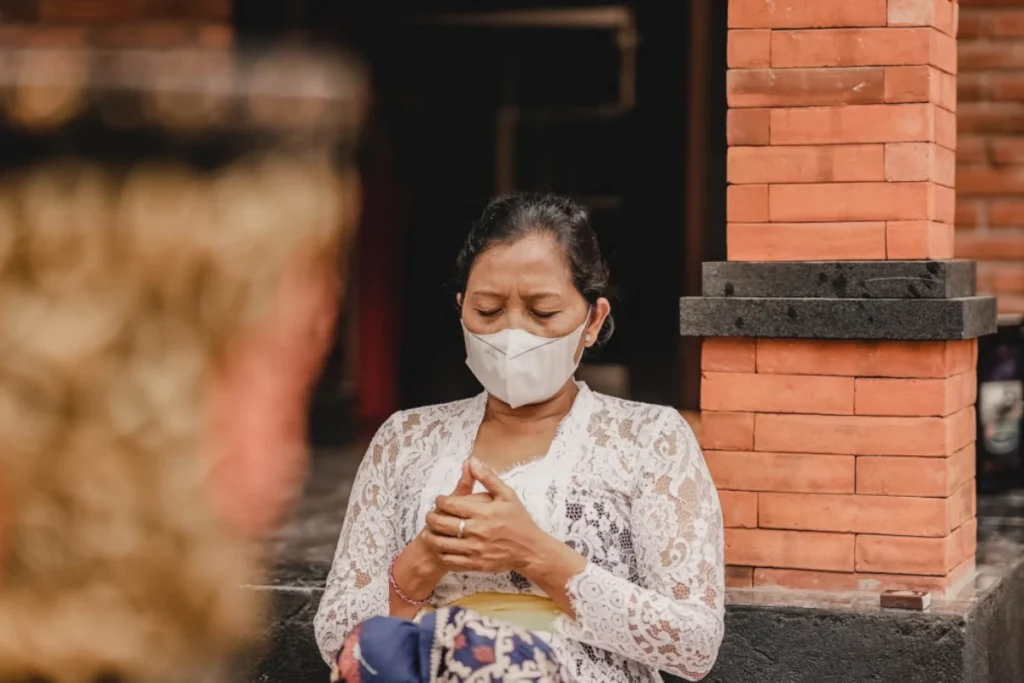
Bahasa Indonesia is the official Indonesian national language of the country and acts as the “bridge” between the various ethnic groups across the Indonesian archipelago. If you are wondering what language is spoken in Bali, Indonesia for business, administration, or formal settings in schooling, this is the primary language you’ll encounter.
Because Bali attracts workers from all over Indonesia—including Java, Lombok, and Sumatra—Bahasa Indonesia is the universal language of commerce. If you are interacting with hotel staff, taxi drivers, or restaurant servers who may not be native to Bali, they will almost certainly communicate with you in Bahasa Indonesia.
2. Basa Bali (Balinese): The Heart of the Culture
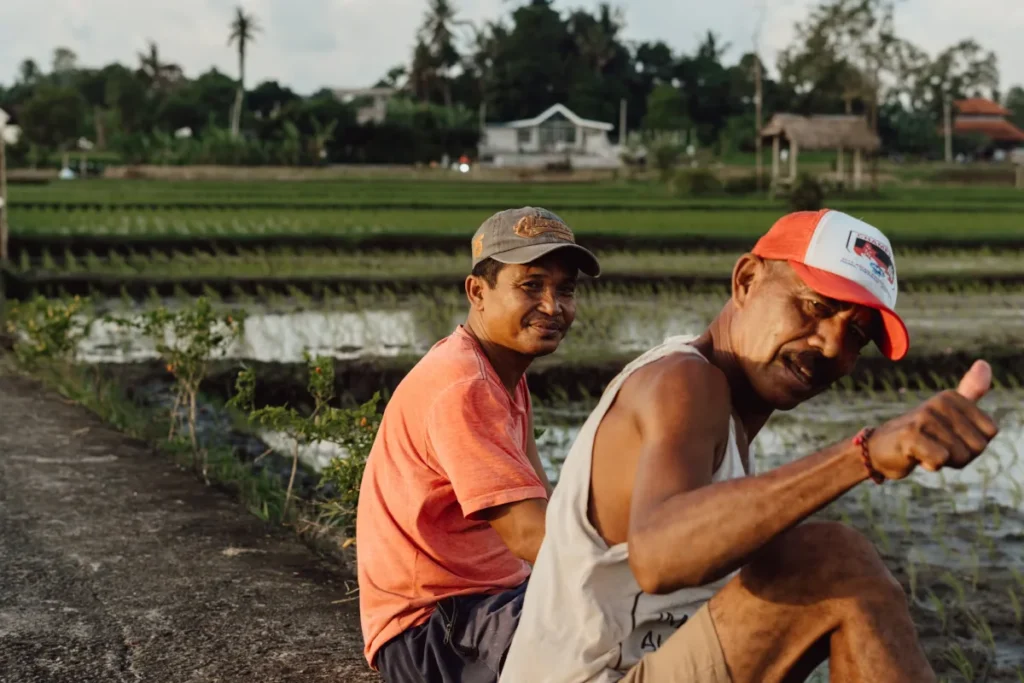
While Indonesian is the national language, Basa Bali remains the mother tongue for the indigenous Balinese people, a crucial part of their cultural heritage. Understanding this is key to grasping what language is spoken in Bali, Indonesia at a cultural level. It is a complex, beautiful language with its own unique roots and a distinct social stratification that dictates different registers (like High Balinese and Low Balinese) based on who is speaking to whom. While rarely used in daily conversation now, the traditional Balinese script, Aksara Bali, remains an important part of its cultural heritage, seen in temples and official documents.
You will hear Balinese spoken in villages, at traditional ceremonies, and within family homes, often in more informal settings.
3. English: The International Language of Tourism
Since Bali is a global tourism hub, English is widely spoken and understood in almost every major tourist destination. This widespread use of English significantly influences what language is spoken in Bali, Indonesia for tourists. In areas like Canggu, Seminyak, Kuta, and Nusa Dua, you will have no trouble navigating your trip using English alone.
Most hospitality workers in 2026 are highly proficient in English. However, as you venture into more off-the-beaten-path locations or rural mountain villages, the level of English proficiency may decrease. In these instances, a translation app or a few words of Bahasa Indonesia will be your best friends.
Do You Need to Learn a New Language to Visit Bali?
The short answer is no. You can easily enjoy a two-week vacation in Bali without knowing a single word of the local language, even if you’re curious about what language is spoken in Bali, Indonesia. However, there are significant advantages to picking up some basics.
Respect: Locals appreciate the effort. Even a simple “Selamat Pagi” (Good morning) shows that you care about their culture.
Better Experiences: Knowing a few words can help you navigate local markets, negotiate transport, or simply build rapport with shopkeepers.
Cultural Immersion: Using local greetings helps you break the “tourist bubble” and engage more authentically with the Balinese people, showing respect for local customs.
Essential Bahasa Indonesia Phrases for 2026 Travelers
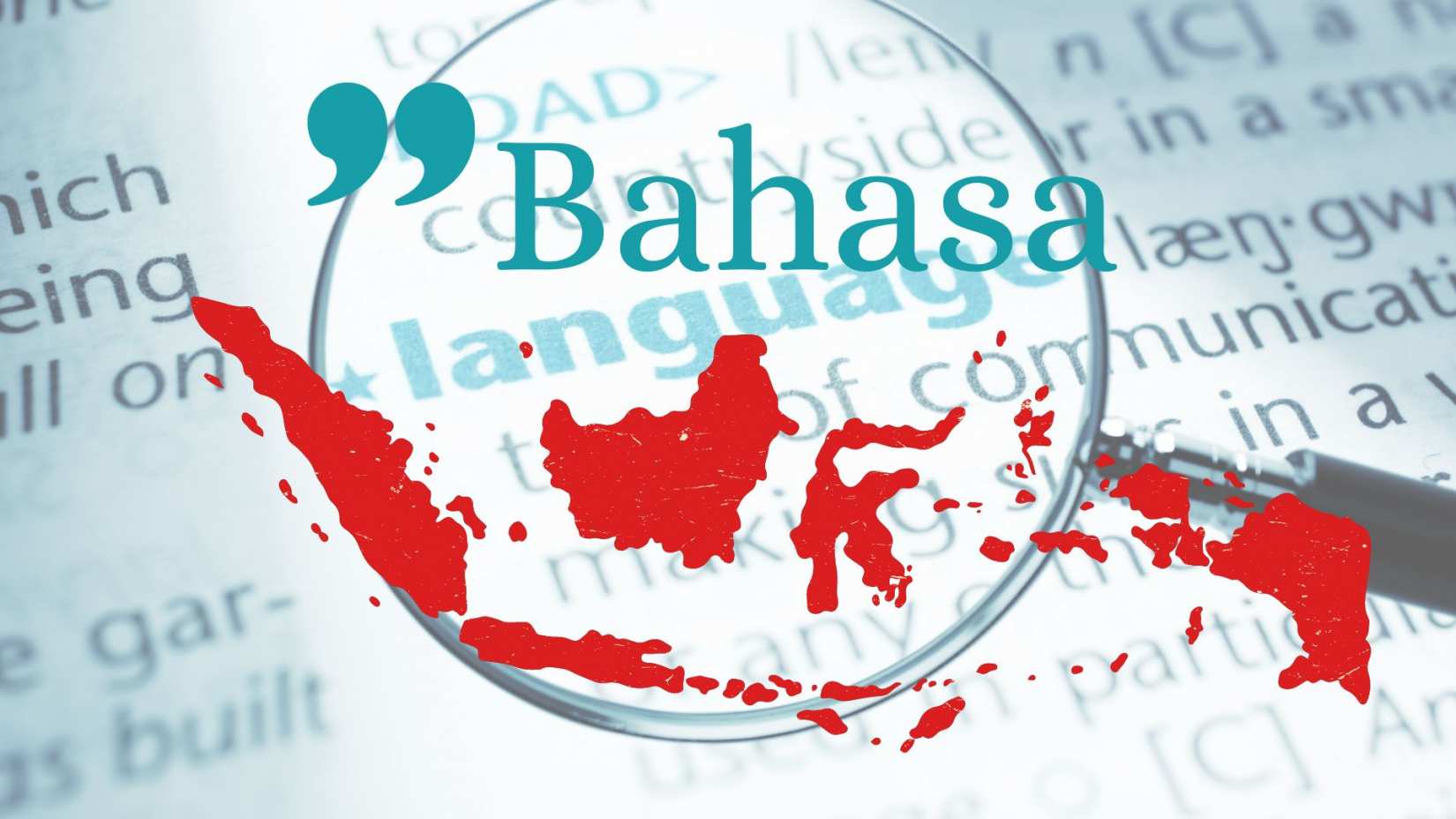
To help you feel more confident during your 2026 visit, here are the must-know phrases that will make your interactions smoother, especially given what language is spoken in Bali, Indonesia.
Halo / Hai: Hello (Informal).
Selamat Pagi: Good morning.
Terima Kasih: Thank you (The most useful phrase!).
Sama-sama: You’re welcome.
Berapa harganya?: How much is this?
Di mana toilet?: Where is the toilet?
Maaf: Sorry / Excuse me.
Tips for Communicating Effectively in Bali
If you are planning an extended stay or want to ensure seamless communication, keep these tips in mind, as they are especially helpful for understanding and navigating what language is spoken in Bali, Indonesia.
- Keep it Simple: When speaking English, avoid complex idioms or rapid-fire slang. Use clear, simple sentences to ensure you are understood.
- Use Translation Tools: Download an offline dictionary or translation app like Google Translate. It is an invaluable resource for navigating menus or road signs in remote areas.
- Smile and Be Patient: In Balinese culture, maintaining a calm and friendly demeanor is vital. Even if there is a language barrier, a smile and a polite tone will resolve most situations, often with the help of understanding non-verbal cues.
- Listen and Learn: Pay attention to how locals interact with one another. You’ll notice that they often use a mix of Indonesian and Balinese depending on the age and status of the person they are talking to.
Conclusion: Language as a Bridge
So, what language is spoken in Bali, Indonesia? It is a harmonious blend of Bahasa Indonesia, Basa Bali, and English. While you will certainly get by using English in all major tourist hubs, the soul of the island lives within the Balinese language.
By learning just a handful of Indonesian phrases, you transform from a casual visitor into a respectful guest. As you prepare for your travels in 2026, remember that language is the ultimate tool for connection. Embrace the local culture, be open to new sounds, and enjoy everything that this magnificent island has to offer.