
Planning a trip to the Island of the Gods? Many travelers often wonder if visiting Bali in February is a good idea. As we head into 2026, the answer is a resounding “yes”—provided you know how to navigate the tropical rhythm of the island. February falls within the wet season, but for the savvy traveler, this period offers unparalleled perks like lush landscapes, fewer crowds, and significant travel savings.
Understanding Bali Weather in February 2026
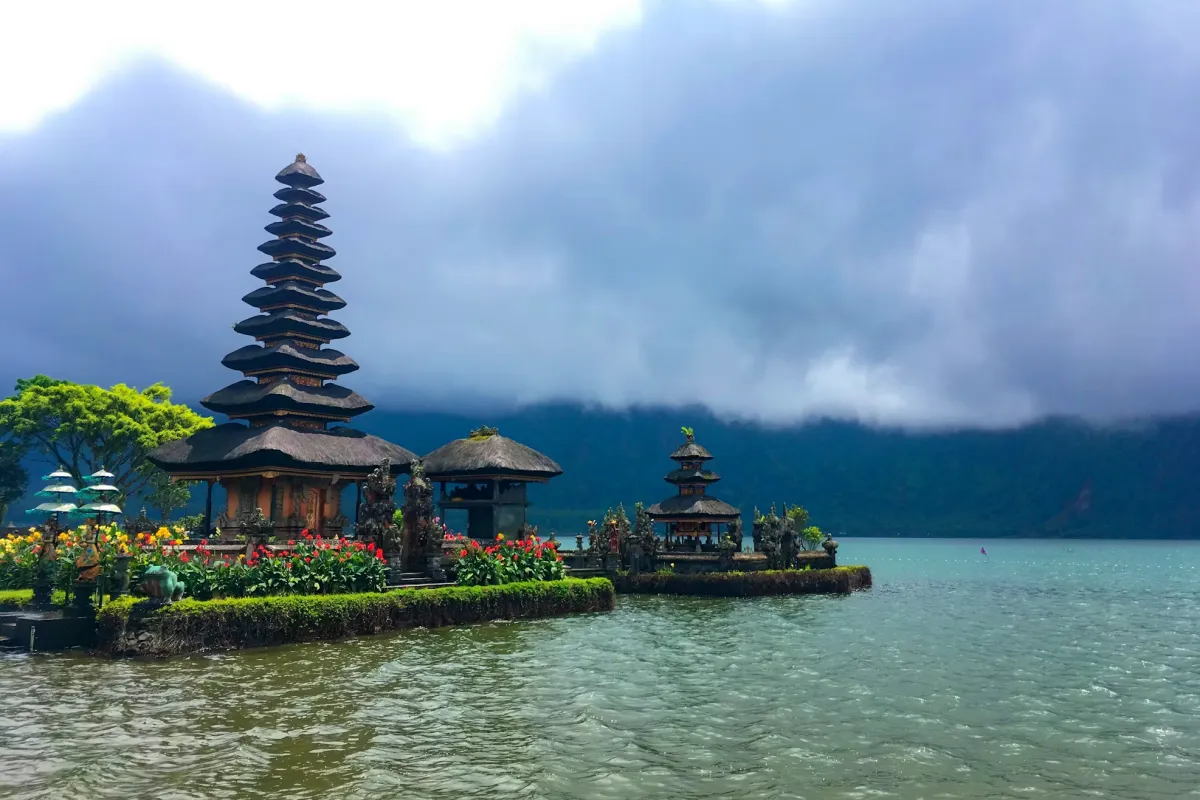
If you are looking for constant sunshine, February might surprise you. This month is characterized by short, intense tropical downpours, usually occurring in the late afternoon or overnight. These rains are nature’s way of keeping Bali’s iconic rice terraces and jungles vibrantly green.
The average temperature remains consistently warm, hovering between 26°C and 30°C (79°F–86°F). While humidity levels are high, the refreshing breezes and intermittent clouds often provide a welcome reprieve from the intense equatorial sun. By staying flexible with your itinerary, you can easily work around the rain and enjoy the best of what the island has to offer.
Why February is the Secret Season for Travelers
One of the greatest advantages of visiting in February is the low tourist density. Popular spots like Ubud, Seminyak, and Uluwatu are significantly less crowded than during the peak months of July and August. You can explore the Tegalalang Rice Terrace or the Sacred Monkey Forest without battling massive tour groups.
Furthermore, accommodation prices are generally lower in February. Many luxury resorts and boutique villas offer “rainy season” discounts, allowing you to upgrade your stay for a fraction of the cost. Whether you are a digital nomad or a couple seeking a romantic getaway, the affordability of Bali in early 2026 makes it an attractive destination for budget-conscious travelers.
Top Activities for Your February Itinerary
Don’t let the threat of rain dampen your spirit! Bali is packed with indoor and outdoor experiences that are perfect for this time of year.
1. Wellness and Spa Retreats
Since the weather encourages a slower pace, February is the perfect time to indulge in Bali’s world-class wellness scene. Spend a rainy afternoon at a luxury spa in Ubud, enjoying a traditional Balinese massage or a flower bath.
2. Cultural Cooking Classes
Learning to cook authentic Indonesian cuisine is a fantastic indoor activity. Many local schools provide market tours followed by hands-on cooking sessions where you can learn the secrets behind Nasi Goreng and Satay.
3. Exploring Indoor Arts and Museums
When the sky turns gray, head to the capital city of Denpasar or the artistic hub of Ubud to visit galleries. Places like the Museum Puri Lukisan offer a deep dive into local Balinese art, keeping you dry while enriching your cultural understanding of the island.

Essential Travel Tips for the Wet Season
To ensure a seamless experience in 2026, preparation is key. Here are some expert tips to keep in mind:
Pack Accordingly: Bring a lightweight, breathable rain jacket or a compact umbrella. Moisture-wicking clothing is essential, as the high humidity can make heavy fabrics uncomfortable.
Stay Flexible: Use a “go-with-the-flow” mindset. If a heavy shower starts, duck into a local warung for a cup of ginger tea or a fresh fruit smoothie. The rain usually clears up as quickly as it arrives.
Check Local Surf Conditions: February can bring changes to beach conditions. While some beaches may see more debris due to currents, others offer great surf opportunities for experienced riders.
Transport Safety: Traffic in Bali can be challenging during heavy rain. If you are not an experienced scooter rider, opt for a private driver or use ride-hailing apps like Grab or Gojek to get around safely and comfortably.
Where to Stay in February
Choosing the right location can significantly impact your enjoyment. If you prefer to be near indoor activities, Ubud is the heart of culture and wellness, making it ideal for the wet season. If you want to remain near the coast, Seminyak and Canggu offer plenty of high-end cafes, boutiques, and fitness studios that are perfectly suited for rainy-day hangouts.
For those seeking a quieter experience, the northern part of the island, such as Munduk or Lovina, offers misty, atmospheric landscapes that are breathtakingly beautiful during the rainy season. The cooler mountain air in the north provides a refreshing contrast to the humid coast.
Conclusion
Visiting Bali in February 2026 is an underrated travel hack. By embracing the tropical climate, you gain access to a lush, tranquil, and affordable version of the island that peak-season travelers rarely see. With the right mix of indoor cultural activities, relaxing spa days, and a flexible mindset, you will find that the rain is just a small part of the magic. Pack your bags, leave the umbrella at home (or buy a cheap one there), and get ready to experience the authentic beauty of Bali.