
Ubud is the undisputed cultural heartbeat of Bali. As you wander through its lush landscapes in 2026, you will find that the rhythm of the island isn’t just in the wind—it is in the intricate movements of traditional Balinese dance. These performances are more than just entertainment; they are a sacred connection to the island’s spiritual heritage.
Whether you are a first-time visitor or a returning traveler, witnessing a live dance performance in Ubud is an essential experience. From the fire-lit intensity of the Kecak Dance to the refined elegance of the Legong, this guide will help you navigate the best venues and performances to ensure an unforgettable cultural journey.
Why Ubud is the Epicenter of Balinese Dance
Ubud has long been the sanctuary for artists, dancers, and musicians. In 2026, the tradition remains as vibrant as ever, with local banjars (community groups) meticulously preserving centuries-old choreography.
When you watch a performance here, you aren’t just watching a show; you are witnessing a living history. The dancers, often trained from childhood, use their eyes, fingers, and torsos to convey complex mythological stories from the Ramayana and Mahabharata.

Top Traditional Balinese Dance Performances You Must See
Not all dances are the same. Each style carries a unique meaning and energy. Here are the four must-see performances that define the Ubud experience:
1. The Kecak Fire Dance
Perhaps the most famous of all, the Kecak Dance is a hypnotic experience. Unlike other dances, it features no musical instruments; instead, a chorus of 50 or more men chant “cak-cak-cak” in a rhythmic trance. Set against a backdrop of a roaring fire, it tells the epic tale of Prince Rama’s battle to rescue his wife, Sita.
2. The Legong Dance
If you want to see grace, the Legong Dance is unparalleled. Traditionally performed by young girls, it is characterized by intricate finger movements, complex footwork, and expressive facial gestures. The dancers wear elaborate gold-leaf costumes that shimmer under the stage lights, creating a visual masterpiece.
3. The Barong and Keris Dance
This performance depicts the eternal battle between good and evil. The Barong, a lion-like creature representing the protector of the spirit, fights the witch Rangda. It is a high-energy performance that often involves audience interaction and a dramatic climax involving the keris (traditional dagger).
4. The Jauk Dance
The Jauk is a solo mask dance representing a demon king. It is a powerful, dynamic display of improvisation and energy. The dancer’s movements range from gentle, swaying motions to sudden, aggressive bursts of speed, keeping the audience on the edge of their seats throughout the show.
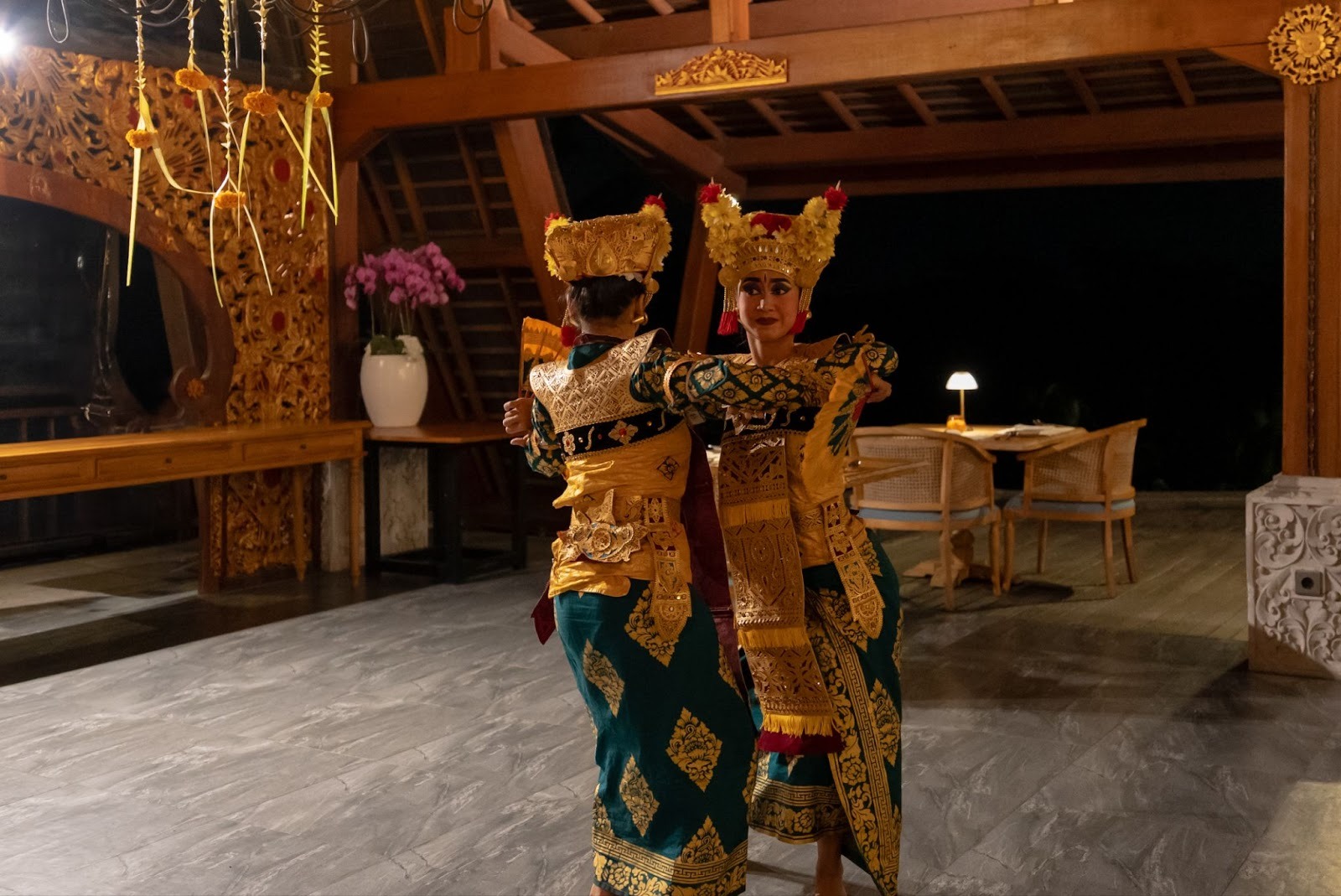
Where to Watch: Top Venues in Ubud
Finding the right venue is key to an authentic experience. In 2026, these three locations remain the gold standard for quality and atmosphere:
- Ubud Palace (Puri Saren Agung): Located in the heart of town, this is the most iconic venue. Watching a dance under the backdrop of ancient Balinese architecture is an experience you won’t find anywhere else.
- Pura Dalem Taman Kaja: This temple venue offers a more intimate setting. It is highly recommended if you want to see the Kecak Dance performed in a traditional village atmosphere.
- ARMA Museum & Resort: For those who appreciate art, ARMA provides a sophisticated setting. Their performances are well-curated and perfect for travelers who prefer a blend of comfort and culture.

Essential Cultural Etiquette for Travelers
To show respect to the performers and the sacred nature of the dance, please keep these tips in mind:
- Dress Modestly: If the performance is held within a temple complex, ensure your shoulders and knees are covered with a sarong and sash.
- Photography: Always check if photography is allowed. If it is, avoid using flash, as it can be highly distracting to the dancers who are in a meditative state.
- Arrival Time: Aim to arrive at least 30 minutes before the show starts. This allows you to secure a good seat and soak in the pre-show atmosphere.
- Applause: Unlike Western theater, traditional Balinese performances may not always end with an “encore” call. Follow the lead of the local audience.
Conclusion: A Memory That Lasts a Lifetime
As you plan your 2026 Bali itinerary, make sure to carve out at least one evening for a traditional Balinese dance performance in Ubud. Whether it is the rhythmic chanting of the Kecak or the delicate movements of the Legong, these performances offer a rare glimpse into the soul of the island.
By supporting these local performances, you are contributing to the preservation of a culture that has captivated travelers for generations. Pack your camera, bring an open mind, and get ready to be mesmerized by the magic of Ubud.