
Bali remains one of the world’s most enchanting destinations, but as we move through 2026, the island has shifted its focus toward high-quality, sustainable, and culturally respectful tourism, promoting responsible tourism and mindful travel. Following several high-profile incidents, the Balinese provincial government has implemented stricter guidelines for international visitors.
Understanding Bali’s cultural sensitivity and etiquette for tourists is no longer just a suggestion—it is a vital part of your travel preparation, fostering cultural awareness. Whether you are surfing in Canggu, digital nomading in Ubud, or exploring the hidden waterfalls of Munduk, moving mindfully through this sacred landscape ensures you are welcomed with the legendary Balinese smile.
This comprehensive guide breaks down the essential do’s and don’ts to ensure your 2026 trip is both meaningful and respectful.
The New Era of Bali Travel: The Official 2026 Guidelines
In recent years, the Balinese administration has issued an official guide of Do’s and Don’ts for international visitors and foreign residents. Upon arrival at I Gusti Ngurah Rai International Airport, you may receive a digital or physical “Etiquette Card” outlining expectations.
The core philosophy guiding these rules, deeply rooted in Balinese Hinduism and its Hindu traditions, is Tri Hita Karana—the three causes of prosperity: harmony with God, harmony among people, and harmony with nature. By following these rules, you aren’t just avoiding a fine; you are participating in the preservation of a unique living culture.
<img alt="Bali issues etiquette guide for tourists after incidents" src="https://mia.mk/images/20230601093132ogImage38.jpg” style=”max-width:100%; height:auto; border-radius:8px; margin: 1rem 0;” />
1. Sacred Spaces: Navigating Bali’s Temples (Pura)
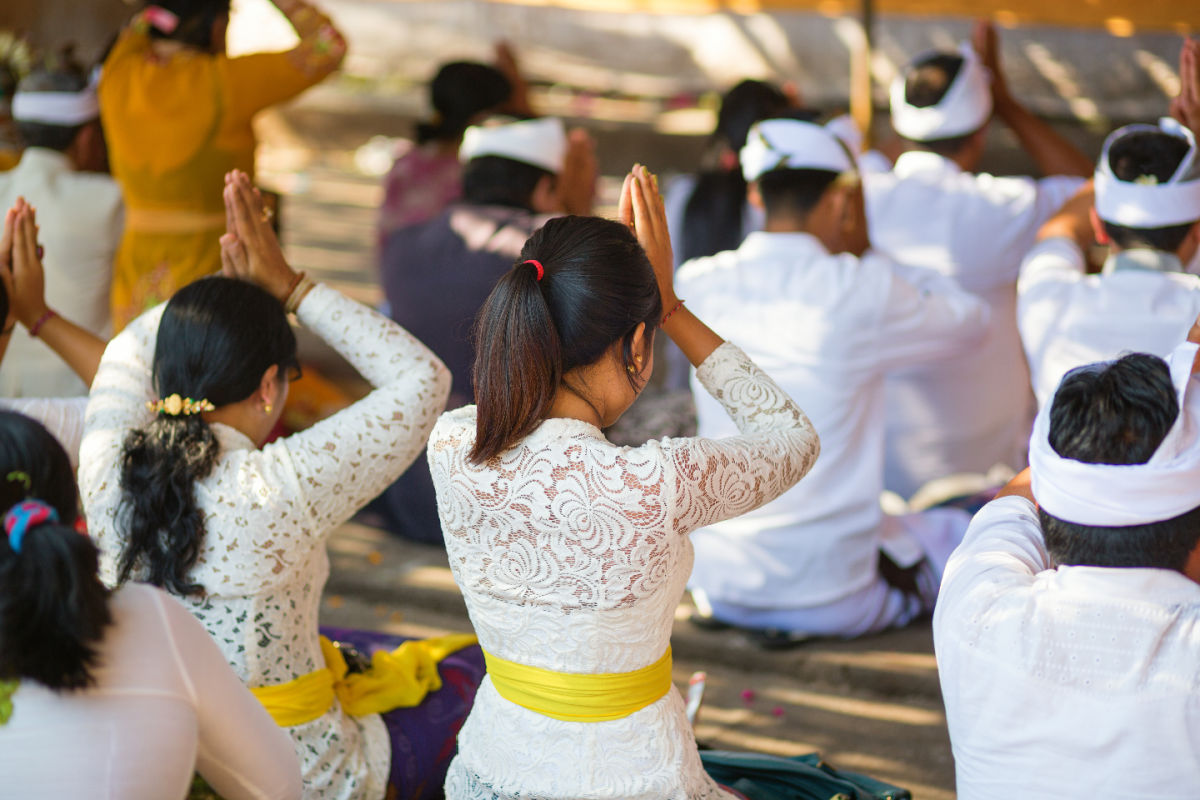
Temples are the heartbeat of Balinese life, holding immense spiritual significance for their spiritual practices. While they are beautiful backdrops for photography, they are first and foremost places of active worship.
Dress Code is Non-Negotiable
You must wear a sarong (kamen) and a waist sash (selendang) when entering any temple complex, adhering to the requirement for modest dress and appropriate attire. This applies to all genders. Even if your shoulders are covered, the lower body must be wrapped.
Pro Tip: Most major temples like Besakih or Tanah Lot offer sarong rentals, but carrying your own is a sign of a prepared and respectful traveler.
Respecting the Inner Sanctum
Many temples have “off-limits” areas reserved strictly for worshippers. Never climb on temple structures, walls, or statues. In 2026, local authorities have increased surveillance, and trespassing into sacred zones can lead to immediate deportation.
Menstruation and Open Wounds
A traditional Balinese belief suggests that anyone “bleeding”—whether from a period or a physical injury—should refrain from entering temple grounds to maintain the site’s ritual purity. While this is a sensitive topic for some Western travelers, respecting this local custom is highly appreciated by the community.
2. Social Etiquette: The “Golden Rules” of Interaction
The Balinese are known for their gentleness and renowned Balinese hospitality. To reciprocate this, keep these local customs and cultural norms in mind:
The Sacred Head and the “Unclean” Left Hand
Don’t Touch Heads: In Balinese culture, the head is considered the most sacred part of the body (the seat of the soul). Never pat a child on the head or reach over someone’s head.
The Right Hand Rule: Always use your right hand for giving, receiving, or pointing. The left hand is traditionally associated with personal hygiene and is considered “unclean.”
Mind Your Feet
Pointing your feet at someone or at a sacred object is considered extremely rude. When sitting on the floor in a traditional setting, men should cross their legs, and women should tuck their legs to the side.
Keep Your Cool
Public displays of anger, shouting, or aggressive confrontation are deeply frowned upon. This is known as “losing face.” If a problem arises, remain calm, polite, and patient. You will find that a smile gets things resolved much faster than a raised voice.
3. Daily Life and Rituals: Stepping Mindfully
As you walk the streets of Seminyak or the paths of Ubud, you will notice small palm-leaf baskets filled with flowers and incense on the ground.
The Canang Sari (Offerings)
These daily temple offerings, known as Canang Sari, are a way for Balinese Hindus to thank the Creator through these ritual offerings. They are placed on sidewalks, in doorways, and on shrines.
Do Not Step on Offerings: If you accidentally step on one, a simple “sorry” to any nearby local is enough, but try to stay alert. Never intentionally kick or move them.
Incense: If the incense is still burning, the prayer is active. Be especially careful not to walk through the smoke.
Respecting Ceremonies
It is common to encounter a Balinese traditional ceremony, such as a Melasti (purification) procession or a funeral ceremony (Ngaben), blocking the road.
Don’t Honk: If your taxi is stuck behind a ceremony, wait patiently.
Photography: You are usually welcome to take photos from a distance, but never use flash and never stand higher than the priest or the offerings.
4. Dressing for the Occasion: Beyond the Beach
While Bali is a tropical paradise, there is a clear distinction between the beach and the village.
Beachwear: Bikinis and board shorts are perfectly fine at the beach or your villa pool.
Streetwear: When walking through towns or visiting local markets, it is respectful to wear a T-shirt or a cover-up.
Government Offices: If you need to visit an immigration office or police station, you must wear formal attire (collared shirts and long pants/skirts). Flip-flops may result in you being turned away.
5. Digital Etiquette and Photography in 2026
In the age of social media, “clout chasing” has led to some cultural friction. In 2026, the rules for digital creators are more defined:
Drone Laws: Flying drones over temples or during ceremonies is strictly prohibited without specific permits.
Sacred Trees: Do not pose nude or inappropriately in front of ancient Banyan trees or sacred sites. These are considered living deities.
Permission First: Always ask before taking a portrait of a local person, especially elders or those in the middle of a ritual.
6. Environmental Responsibility: “Niskala” and Nature
The Balinese believe that nature is inhabited by spirits. In 2026, Bali has a strict ban on single-use plastics.
Carry a Reusable Bottle: Many cafes offer “Refill My Bottle” stations.
Dispose of Trash Properly: Littering is not just an environmental hazard; it is an insult to the land.
Sustainable Tours: Choose operators that prioritize eco-friendly practices and support local village economies.
Conclusion: The Key to a Meaningful Bali Experience
Respecting Bali culture etiquette for tourists isn’t about following a set of rigid laws; it’s about showing gratitude for the opportunity to visit such a vibrant, spiritual island. When you dress modestly, speak softly, and honor the local traditions, you demonstrate community respect for the local community, opening doors to deeper connections and more authentic experiences.
As you plan your 2026 adventure, remember that you are a guest in a home where the gods are said to live. Travel with an open heart, and Bali will surely give its magic back to you.