
Planning a trip to the Island of the Gods? While you are likely dreaming of pristine beaches and lush rice terraces, one practical detail can make or break your holiday budget: managing your money. Understanding how to navigate the Indonesian Rupiah (IDR) and knowing where to find the best exchange rates is essential for a seamless 2026 Bali vacation.
Don’t let hidden fees or clever scams drain your travel funds. From avoiding “too good to be true” rates to mastering ATM usage, this comprehensive guide covers everything you need to know about Bali currency tips for tourists.
Understanding the Indonesian Rupiah (IDR)
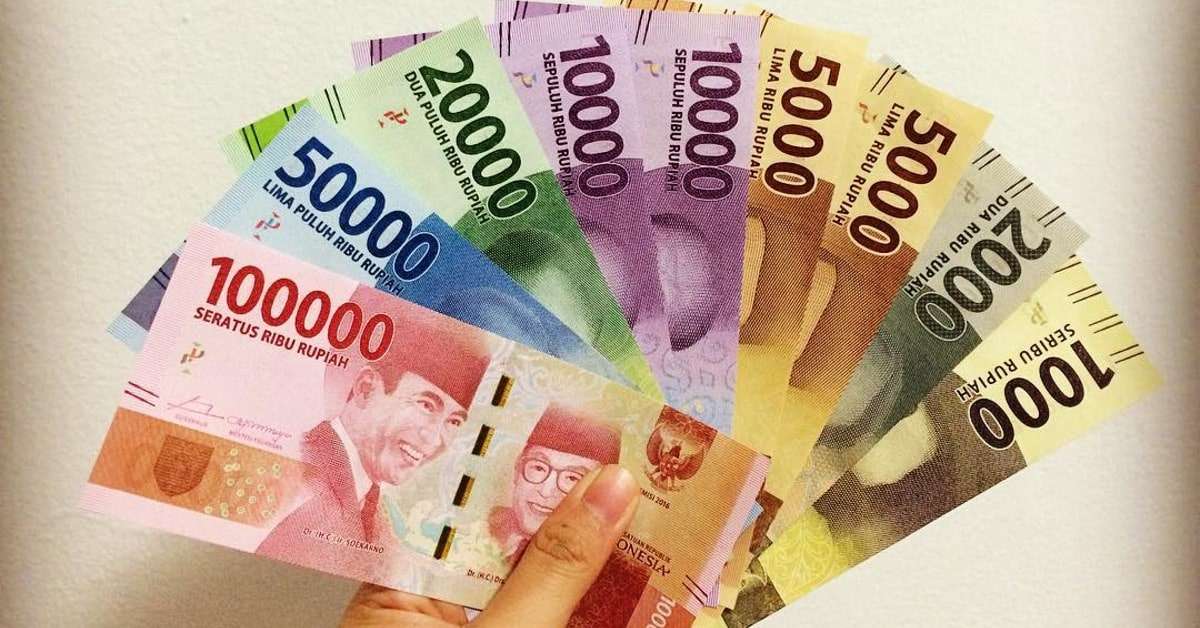
The local currency is the Indonesian Rupiah. You will quickly realize that you become a “millionaire” the moment you land, as 1 USD or EUR equates to many thousands of Rupiah. As of 2026, denominations typically come in notes of 1,000, 2,000, 5,000, 10,000, 20,000, 50,000, and 100,000 IDR.
Because the numbers are high, it is easy to get confused when paying. Always double-check your notes before handing them over. The 100,000 IDR note is the most common for larger purchases, while smaller notes are vital for local markets, warungs, and transportation.
Where to Exchange Money Safely in Bali
Finding a reputable money changer in Bali is a skill every savvy traveler should master. Not all kiosks are created equal, and some operate with predatory tactics.
Authorized Money Changers: Look for signs that say “PVA Berizin” (Authorized Money Changer). These businesses are regulated by the Central Bank of Indonesia and are significantly safer than independent, hole-in-the-wall kiosks.
Avoid “Street Rates”: If you see a small shop offering a rate significantly higher than the official market rate, walk away. This is almost always a trap designed to lure you in, only for the clerk to use sleight-of-hand tricks to shortchange you during the counting process.
Banks and Official Kiosks: Your safest bet remains exchanging money at bank branches or large, established exchange houses located in major malls or hotels. While the rate might be slightly lower than the “best” street rate, the peace of mind and security are worth the small difference.
ATM Tips: The Modern Way to Access Cash
In 2026, using ATMs remains the most popular method for tourists to obtain local currency. However, there are golden rules to follow to ensure your finances remain secure.
Use Bank-Affiliated ATMs
Always opt for ATMs located inside a bank branch or an official, air-conditioned booth. These are much harder for scammers to tamper with. Avoid standalone ATMs on dark, quiet streets, as these are the primary targets for card skimming devices.
Card Security Protocols
Before you leave home, notify your bank of your travel dates to avoid having your card blocked for “suspicious activity.” It is also highly recommended to bring at least two different cards (e.g., one Visa and one Mastercard) from different accounts. If one card is swallowed or compromised, you will have a backup.
Watch Out for DCC
You may be asked if you want to be charged in your home currency or in IDR. Always choose IDR. Choosing your home currency triggers Dynamic Currency Conversion (DCC), which allows the ATM provider to set a poor exchange rate, often costing you 5-10% more than the actual bank rate.
Smart Payment Practices: Cash vs. Card
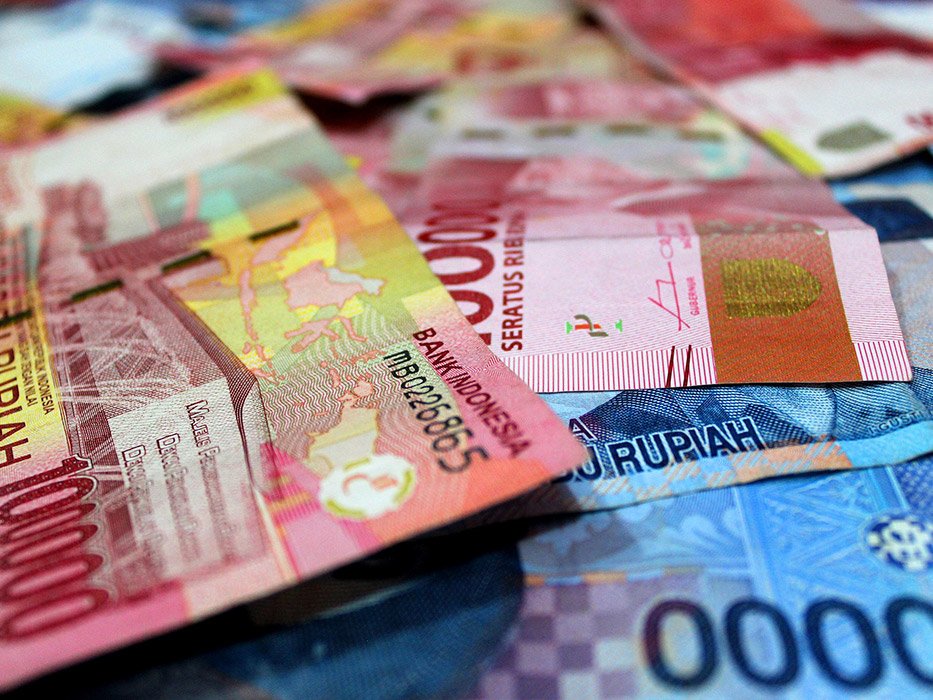
While Bali is becoming increasingly digital, it remains a cash-heavy economy. While luxury hotels, high-end boutiques, and upscale restaurants will accept credit cards (usually with a 3% surcharge), you will need cash for the following:
Local Markets and Street Food: Essential for buying souvenirs and trying authentic Balinese cuisine.
Small Transport Providers: Taxis and local drivers often prefer cash.
Entry Fees: Many temples and waterfall attractions operate on a cash-only basis.
In 2026, QRIS (Quick Response Code Indonesian Standard) has become widespread. If you have an Indonesian e-wallet or a banking app that supports international QR payments, you might find that you need less physical cash than in previous years. Always carry a small “emergency fund” of high-denomination notes in your hotel safe.
Final Tips for Managing Your Budget
To keep your finances in check, consider these final reminders:
- Count your money twice: Even at reputable places, count your cash in front of the clerk before leaving the counter.
- Use a travel card: Consider using cards like Wise or Revolut, which often provide better exchange rates than traditional debit cards and allow you to lock in rates when the market is favorable.
- Check for transaction fees: Know your home bank’s foreign transaction fees. Some banks charge a flat fee per withdrawal, making it smarter to withdraw larger amounts less frequently.
Conclusion
Navigating money in Bali doesn’t have to be stressful. By sticking to authorized money changers, using secure bank-affiliated ATMs, and prioritizing IDR for all transactions, you can protect your budget and enjoy your vacation with peace of mind. Remember that the best travel experience is one where you aren’t worrying about hidden costs, so take these Bali currency tips to heart and focus on making memories in paradise instead.