
Planning a dream getaway to the Island of the Gods? While you’re likely focused on pristine beaches and lush rice terraces, understanding how to manage your finances is the key to a stress-free trip. In 2026, Bali’s financial landscape has evolved, making it easier than ever to pay for your adventures if you know the right tricks.
Whether you are wondering where to find the best exchange rates or how to avoid excessive bank fees, this comprehensive guide covers everything you need to know about Bali money tips for tourists, exchange, and payment.
Understanding the Indonesian Rupiah (IDR)
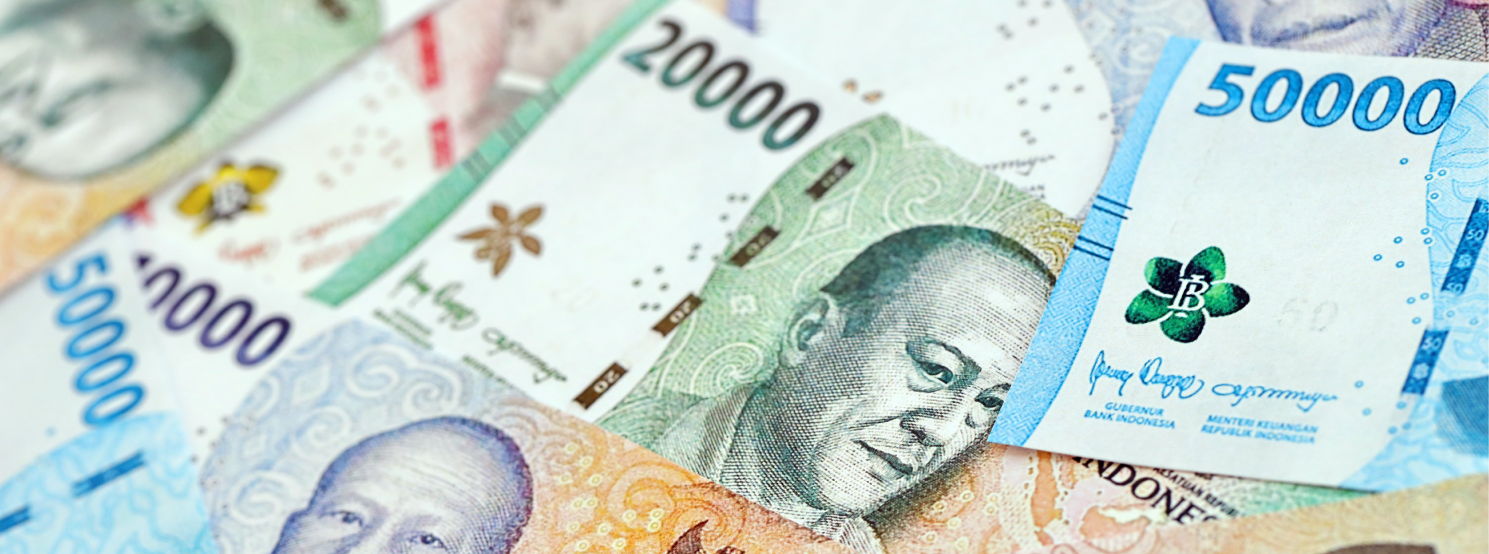
The local currency in Bali is the Indonesian Rupiah (IDR). Because of the high volume of notes, you will quickly find yourself holding millions—literally! Denominations typically come in 1,000, 2,000, 5,000, 10,000, 20,000, 50,000, and 100,000 IDR notes.
Pro Tip: Always double-check your change. Because the notes look similar in size and color, it is easy to mistake a 10,000 note for a 100,000 note. Take your time during transactions to avoid accidental overpayment.
Where to Exchange Money Safely in Bali
Exchanging currency can be a minefield for the uninitiated. To get the best value, avoid airport kiosks or hotel front desks, which often offer poor conversion rates and high commissions.
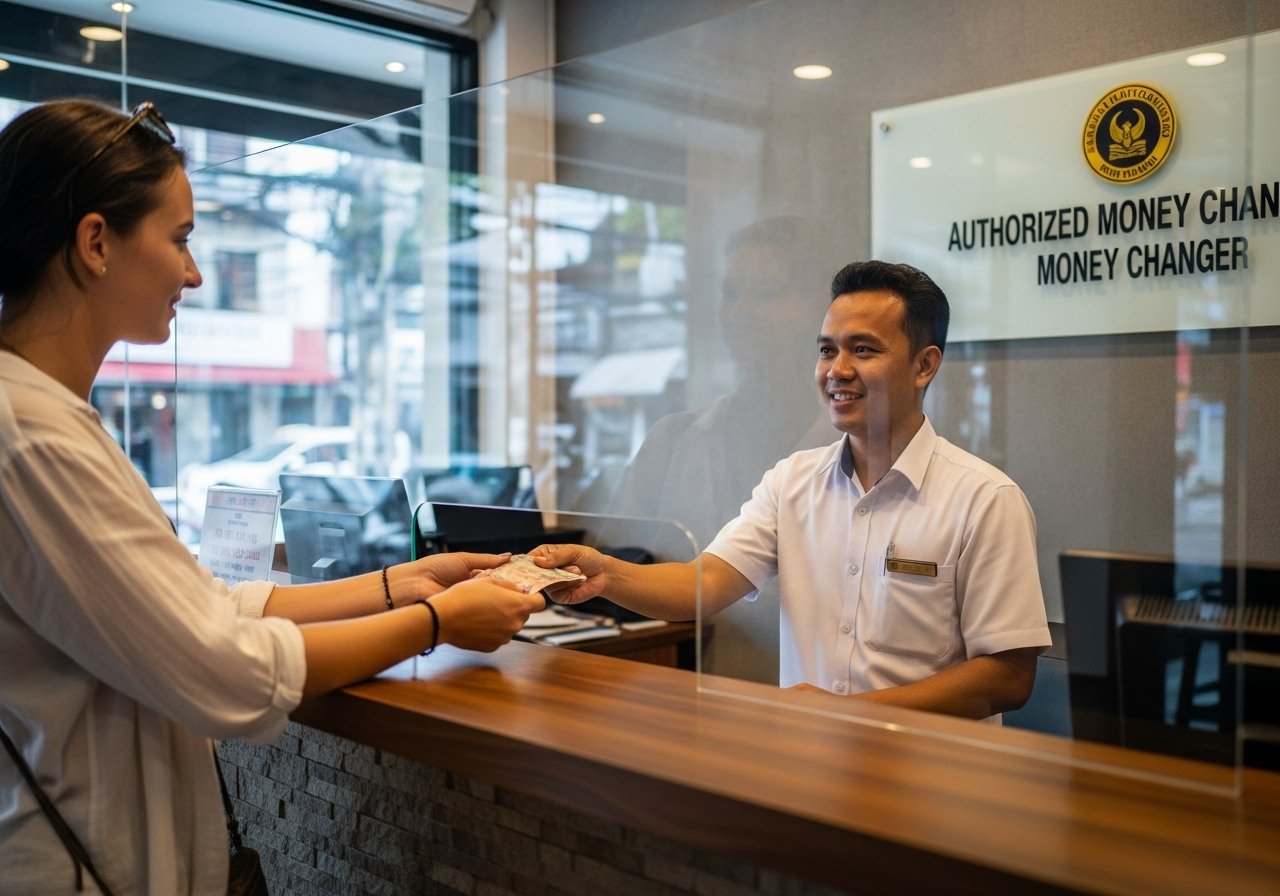
Authorized Money Changers: Look for reputable, licensed exchange offices. These establishments will have a professional storefront and offer a “no commission” policy. Always count your money right in front of the teller before leaving the counter.
Bank Exchanges: Using official bank branches is the safest way to exchange cash, though they often have limited operating hours.
Avoid “Too Good to Be True” Rates: If a roadside shack is offering a rate significantly higher than the market average, stay away. These are notorious “scam” money changers that use sleight-of-hand tricks to short-change you.
Using ATMs in Bali: Fees and Security
In 2026, ATMs remain the most convenient way to obtain Rupiah. Most major ATMs in tourist hubs like Canggu, Ubud, and Seminyak accept international debit and credit cards (Visa and Mastercard).
Choose Fee-Free ATMs: Some banks charge high withdrawal fees. Look for ATMs associated with major banks like BNI, Mandiri, or BCA, which are generally reliable and secure.
Card Security: Always use ATMs located inside bank lobbies or well-lit, busy convenience stores. Cover the keypad when entering your PIN to protect against skimming devices.
Notify Your Bank: Before you fly, inform your home bank of your travel plans to prevent them from freezing your card due to suspicious activity.
Modern Payment Methods: Cards and QRIS
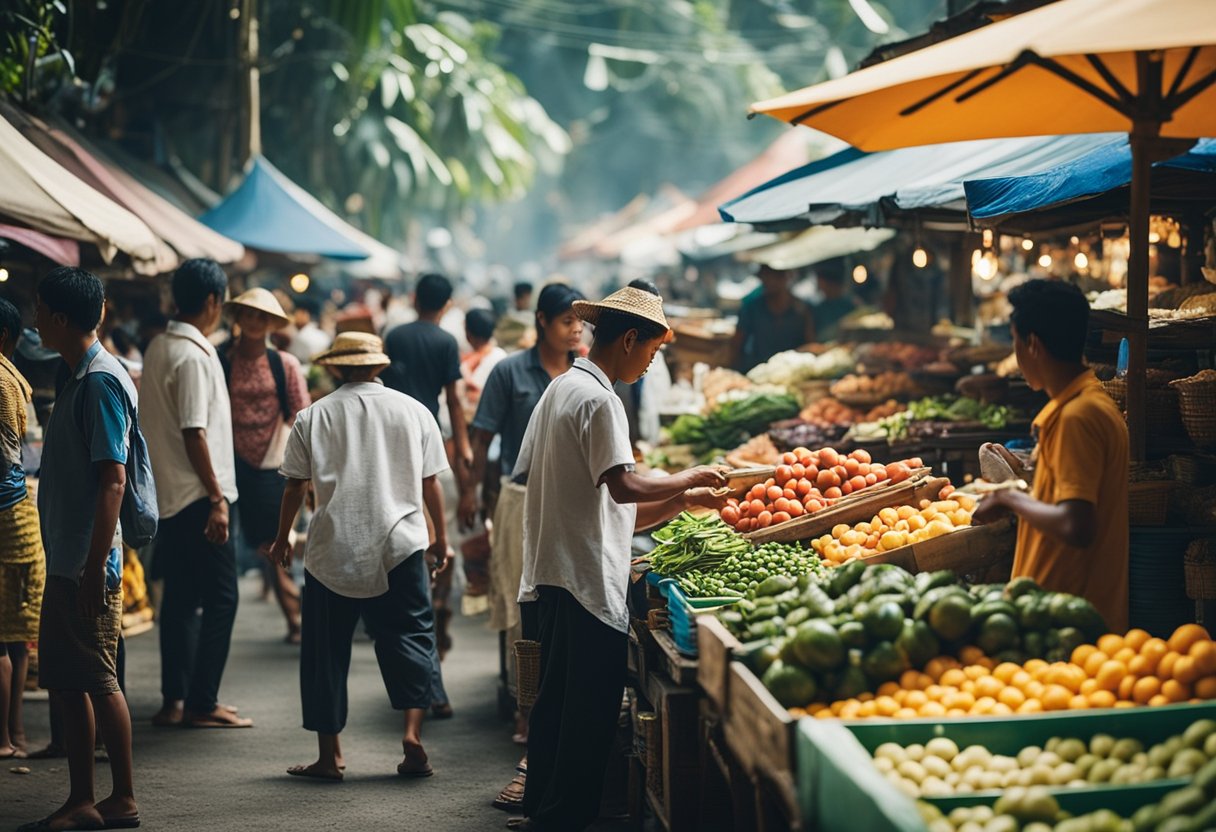
The digital revolution has hit Bali hard. While cash is still king at local markets (pasar) and small food stalls (warungs), modern payment methods are now standard in upscale cafes, boutiques, and hotels.
Contactless & Credit Cards: Most mid-to-high-end establishments accept Visa and Mastercard. However, always carry a backup card, as connection issues can occur.
QRIS Payments: Indonesia’s QRIS (Quick Response Code Indonesian Standard) is the gold standard for digital payments in 2026. If you are using a local digital wallet or certain international banking apps, you can simply scan a QR code to pay instantly without needing physical cash.
Service Charges: Be aware that some venues add a 5% to 15% service tax to your bill. Always check your receipt before adding an extra tip.
Budgeting Tips for 2026
Bali can be as cheap or as expensive as you make it. To keep your finances on track:
- Use a Travel Card: Apps like Revolut, Wise, or Monzo often offer mid-market exchange rates that are significantly better than traditional bank rates.
- Daily Limits: Set a daily budget and withdraw only what you need for two or three days to minimize the amount of cash you have to secure in your villa.
- Local Prices: Ask your hotel or local tour guide about average prices for food and transport. This helps you avoid the “tourist tax” when shopping at traditional markets.
- Emergency Stash: Always keep a small amount of USD or EUR in a separate, secure location as a backup in case of lost or stolen cards.
Conclusion: Spending Smart in Bali
Navigating the currency and payment landscape in Bali doesn’t have to be a headache. By sticking to authorized money changers, using secure, well-placed ATMs, and embracing the convenience of QRIS, you can focus on what really matters: enjoying your tropical vacation. Remember to stay vigilant, keep your cards safe, and always count your cash before walking away from the counter. With these Bali money tips for 2026, you are ready to explore the island with confidence and financial peace of mind.