Beyond Souvenirs: Create Your Own Piece of Lake Toba with These 4 Local Craft Projects
Lake Toba, the world’s largest volcanic lake, is more than just breathtaking scenery and rich Batak culture; it’s a living canvas of artisanal traditions. While picking up a beautiful textile or hand-carved wooden item is a fantastic way to remember your journey, why not go a step further and create your own tangible connection to this magical place? Forget passively collecting souvenirs; let’s dive into bringing a piece of Lake Toba home with you by learning and making.
This isn’t about mass-produced trinkets. We’re talking about hands-on experiences that connect you to the local artistry and the very essence of Lake Toba. Imagine the stories you’ll tell when you showcase something you’ve made yourself, infused with the spirit of North Sumatra. Ready to get your hands dirty and craft a truly unique memento?
1. Weave Your Own Batak Ulos: A Story in Every Thread
The Ulos, a traditional Batak textile, is far more than just fabric. It’s a symbol of kinship, warmth, and identity, woven with intricate patterns that carry deep cultural significance. Learning to weave a small piece of Ulos is an incredibly rewarding experience, allowing you to appreciate the skill and patience involved in this ancient art form.
What You’ll Need (and where to find it):
- Loom: Local artisans often have small, portable looms. Many ecotourism villages like Silimalombu might offer introductory workshops or have looms available for rent.
- Yarn: Natural fibers like cotton are commonly used. You can often purchase locally dyed yarns in vibrant colors from markets in Parapat or on Samosir Island. Look for suppliers who use natural dyes for an authentic touch.
- Patience and Guidance: Seek out local weavers who are willing to share their knowledge. This is where the true magic happens, connecting you to generations of expertise. You might find these opportunities through homestays or community-based tourism initiatives.
The Process:
The basic process involves setting up the warp threads on the loom, followed by intricately weaving the weft threads according to specific patterns. Each pattern has a name and meaning, so you’ll be learning a visual language as you weave. Don’t expect to finish a large Ulos in an afternoon, but even mastering a few basic motifs and creating a small coaster or a decorative panel will be a significant achievement.
Why it’s a great souvenir: This isn’t just a souvenir; it’s a tangible piece of Batak heritage that you helped create. It’s a story you can wear or display, a constant reminder of the people and traditions you encountered.
2. Carve Your Own Batak Totem: Bringing Legend to Life
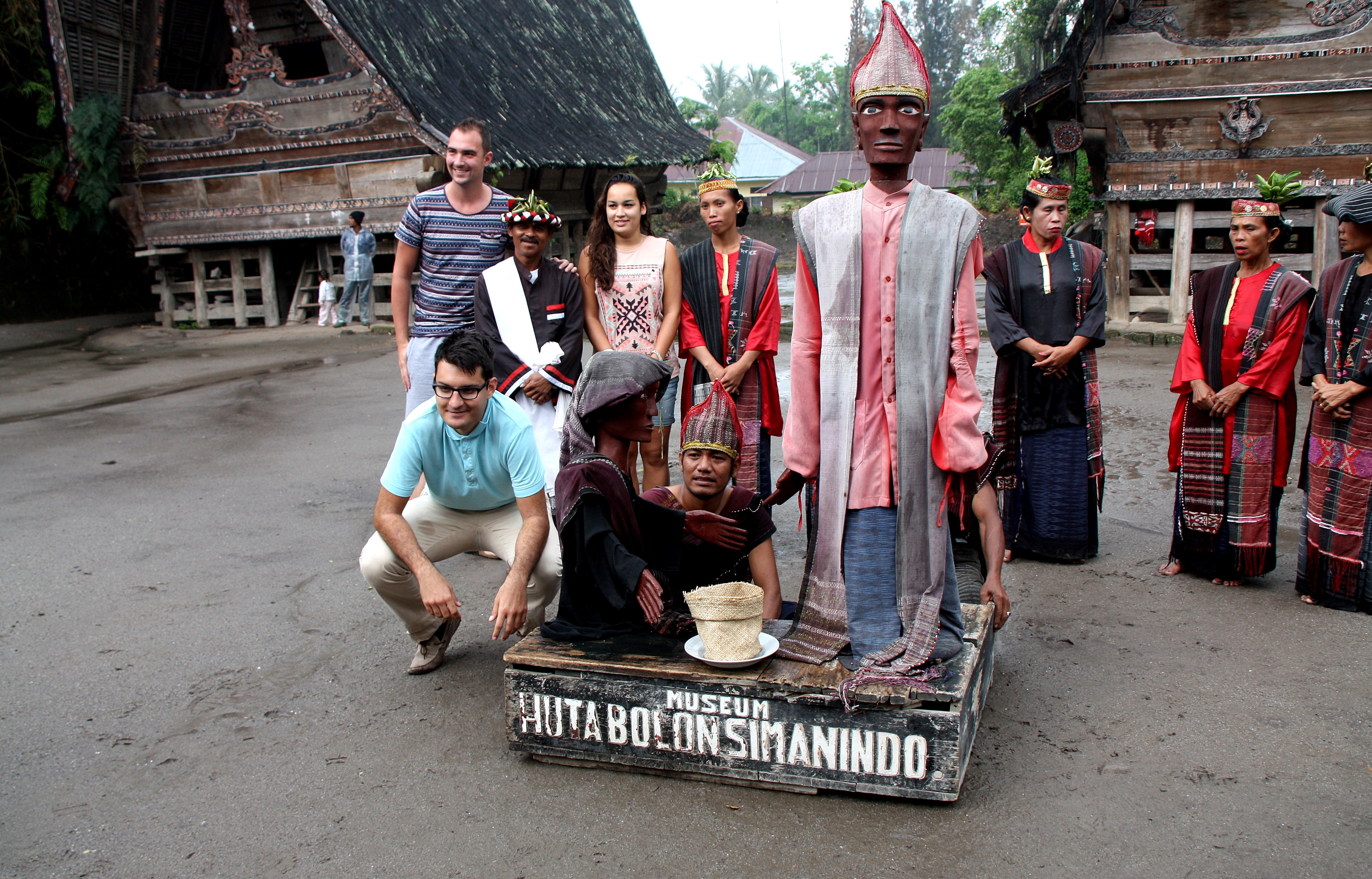
The Batak people have a rich tradition of wood carving, often depicting ancestral spirits, mythical creatures, and everyday life. Carving a small totem or decorative piece allows you to engage with this artistic expression and bring a touch of Batak mythology into your home.
What You’ll Need (and where to find it):
- Carving Tools: Small chisels, knives, and mallets are essential. These can often be purchased from local handicraft vendors. Ensure they are sharp and comfortable for you to use.
- Wood: Softwoods that are easy to carve are ideal. Look for local wood suppliers or ask for recommendations from experienced carvers. Some artisans might even offer pre-shaped blocks ready for your creative touch.
- Design Inspiration: Study traditional Batak carvings. You can find examples in local markets, cultural centers, or even in the architecture of traditional houses (Rumah Bolon). Consider a simple motif like a stylized bird or a geometric pattern.
The Process:
Start by sketching your design onto the wood. Begin with rough shaping, gradually refining the details with your chisels. Work slowly and carefully, paying attention to the grain of the wood. Sanding and finishing with natural oils or waxes can enhance the beauty of your carved piece.
Why it’s a great souvenir: Your carved piece will be entirely unique, reflecting your own interpretation of Batak art. It’s a testament to your creativity and a beautiful, tactile reminder of the island’s rich artistic heritage.
3. Craft Your Own Natural Dye Batik: Painting with Nature’s Palette
Batik, while not exclusively Batak, is a cherished art form throughout Indonesia, and Lake Toba has its own unique interpretations. Instead of just buying a batik fabric, try your hand at creating a small piece using natural dyes derived from local flora. This method offers a more sustainable and environmentally friendly approach to this intricate art.
What You’ll Need (and where to find it):
- Fabric: Cotton or silk fabric. Cotton is generally easier for beginners.
- Dyes: Explore the local environment for natural dye sources. Think about ingredients like turmeric for yellow, indigo for blue, mahogany bark for red-brown, or even certain types of leaves. You might find these ingredients in local markets or even learn about them from knowledgeable guides.
- Wax and Tjanting Tool: A tjanting is a wax-resist pen used to draw patterns. You can often find these at craft stores or specialized batik suppliers. Beeswax is a common choice for the wax.
- Buckets and Utensils: For dyeing and rinsing.
The Process:
- Design: Sketch your design onto the fabric with a pencil or tailor’s chalk.
- Waxing: Heat the beeswax and use the tjanting tool to apply hot wax to the areas you want to remain undyed.
- Dyeing: Immerse the fabric in your chosen natural dye. The color will depend on the mordant used and the duration of submersion. You can layer colors by waxing and dyeing multiple times.
- Wax Removal: Once the dye is dry, gently scrape off the wax to reveal your pattern. You can iron between sheets of paper to melt and absorb the wax.
Why it’s a great souvenir: This project connects you to the natural bounty of the Lake Toba region and the time-honored technique of batik. The subtle variations in natural dyes will make your creation truly one-of-a-kind.
4. Create Your Own Candlenut Oil Soap: From Plantation to Pampering
Candlenuts (kemiri) are a staple in Indonesian cuisine, and their oil has been used for centuries for various purposes, including skincare and as a lubricant. Visiting ecovillage tourism areas like Silimalombu, which often focus on sustainable concepts and their own plantations, provides an excellent opportunity to learn about and even create products from local resources. Making your own candlenut oil soap is a practical and fragrant way to bring a piece of Lake Toba’s agricultural heritage home.
What You’ll Need (and where to find it):
- Candlenut Oil: You might be able to purchase cold-pressed candlenut oil from local producers in villages or specialty shops.
- Lye (Sodium Hydroxide): This is a crucial ingredient for soap making. Handle with extreme caution and always wear protective gear. You might be able to source this from local apothecaries or online suppliers.
- Distilled Water: For mixing with lye.
- Essential Oils (optional): Locally sourced natural fragrances can add a beautiful touch.
- Soap Molds: Silicone molds are easy to use.
- Safety Gear: Gloves, eye protection, and a mask are essential when working with lye.
The Process (Simplified – always follow detailed safety guidelines for soap making):
- Measure: Accurately measure your ingredients, paying close attention to the lye-to-oil ratio.
- Mix Lye Solution: Carefully add the lye to the distilled water (never the other way around) in a well-ventilated area, allowing it to cool.
- Prepare Oil: Gently warm the candlenut oil.
- Combine: Slowly pour the cooled lye solution into the warmed oil and stir until it reaches “trace” – a pudding-like consistency.
- Add Fragrance (optional): Stir in essential oils if desired.
- Pour and Cure: Pour the mixture into your molds and let it cure for several weeks in a cool, dry place.
Why it’s a great souvenir: This is a truly hands-on experience that connects you with the natural resources and self-sufficiency of the Lake Toba region. You’ll have a lovely, natural soap that carries the scent and essence of your travels.
Crafting Memories, Not Just Mementos
These four craft projects offer a pathway to deeper engagement with Lake Toba’s rich culture and natural beauty. By investing your time and creativity, you’ll leave with more than just items; you’ll carry home the stories, the skills, and a piece of your own creation imbued with the spirit of this extraordinary destination. So, on your next visit, consider stepping beyond the souvenir shop and into the world of local craftsmanship. Your hands will thank you for it, and your memories will be all the richer.
Looking for more inspiration for your Lake Toba adventure? Explore our guide to Exploring Lake Toba: 7 Amazing Places You Can’t Miss and discover the best local markets for supplies at Lake Toba Parapat’s Local Markets: A Shopper’s Paradise.

Additional Information
Beyond Souvenirs: Create Your Own Piece of Lake Toba with These 4 Local Craft Projects
Lake Toba, the world’s largest volcanic lake, is more than just breathtaking vistas and a rich fusion of history and culture. It’s a vibrant hub of Batak artistry, where traditions are woven into tangible expressions of creativity. While the local markets of Parapat and shops like Tomi Souvenir in Samosir offer an array of “authentic souvenirs” that serve as cherished “mementos of your Lake Toba journey” (tobaparapat.com), imagine leaving with more than just purchased items. Imagine leaving with your own handcrafted connection to this unique destination.
This guide moves beyond simply acquiring beautiful Batak arts and crafts made by the tribe (tiket.com) and empowers you to become a creator. By engaging in these local craft projects, you not only gain a deeper appreciation for the skill and heritage involved but also directly support the local community, especially vital in times of economic change (tiket.com). So, pack your curiosity and prepare to get your hands dirty as we explore four engaging ways to craft your own piece of Lake Toba.
1. Batak Ulos Weaving: Threads of Tradition and Storytelling
The Craft: Ulos are traditional Batak textiles, each imbued with symbolic meaning and intricate patterns that tell stories of life, heritage, and social status. From the vibrant reds and blacks to the delicate geometric designs, Ulos are a visual narrative of the Batak people.
Your Creative Journey: While mastering the complex art of Ulos weaving takes years, many villages and ecotourism initiatives, like those found in the Silimalombu Ecovillage Tourism Village area, offer introductory workshops. Here, you can learn the basics of the loom, understand the significance of different patterns, and even try your hand at weaving a small motif or a simple textile. You’ll be working with natural dyes and fibers, experiencing the entire process from raw material to finished product. This is a truly immersive experience, allowing you to connect with the generations of weavers who have perfected this craft.
Why it’s More Than a Souvenir: You’re not just buying a piece of fabric; you’re participating in a living tradition. The Ulos you help create will carry the story of your hands, your effort, and your encounter with Batak culture. It’s a tangible link to the community and a testament to the enduring power of traditional craftsmanship. You’ll gain a profound respect for the meticulous work that goes into each authentic piece you might find in a “shoppers paradise” (tobaparapat.com).
2. Wood Carving: Bringing Batak Mythology to Life
The Craft: Wood carving is another cornerstone of Batak artistry, with intricate carvings adorning traditional houses, furniture, and everyday objects. Motifs often include ancestral figures, mythological creatures, and symbolic representations of nature.
Your Creative Journey: Seek out local artisans who offer carving workshops. In these sessions, you’ll likely start with a pre-selected piece of local wood and learn basic carving techniques using traditional tools. Under the guidance of a skilled carver, you might be able to create a small decorative item, such as a stylized bird, a simple geometric pattern, or even a miniature version of a Batak motif. The focus will be on understanding the grain of the wood, the feel of the tools, and the process of gradually revealing the form within.
Why it’s More Than a Souvenir: Carving a piece of wood connects you to the natural resources of the region and the generations of artisans who have shaped them. The physical act of carving requires focus and patience, mirroring the dedication of Batak craftspeople. The object you create will be uniquely yours, bearing the marks of your learning process and a direct interaction with the raw beauty of the material. It’s a far more intimate experience than simply selecting a “hand-carved wooden item” (tobaparapat.com) from a market stall.
3. Natural Dyeing: Painting with the Colors of Lake Toba
The Craft: The vibrant colors found in Batak textiles and other crafts are often derived from natural sources – plants, roots, and minerals found around Lake Toba. This age-old practice of natural dyeing is both an art and a science.
Your Creative Journey: Participate in a natural dyeing workshop, often offered in ecovillage settings or by community-based tourism initiatives. You’ll learn about different plants and their dyeing properties, experiment with mordants to fix the colors, and see how various techniques can create different shades and textures. You might dye a small piece of fabric for a scarf or to incorporate into another craft, or even learn to dye natural fibers like cotton or silk. This hands-on experience will deepen your appreciation for the sustainability and ingenuity of traditional dyeing methods.
Why it’s More Than a Souvenir: Creating with natural dyes is a deeply grounding experience. You’re literally painting with the colors of the land, understanding the origin of each hue. The resulting fabric will have a unique, often subtle, beauty that machine-dyed materials can’t replicate. It’s a mindful practice that connects you to the environment and the traditional knowledge of extracting and utilizing natural resources, much like learning about products from plantations in areas like Silimalombu Ecovillage (dailydoityourself.com).
4. Batak Culinary Souvenirs: The Art of Local Flavors
The Craft: While not a craft in the traditional sense of visual arts, the preparation and preservation of Batak culinary traditions can be considered a craft. Many of the “Typical Batak Culinary Souvenirs” you can bring home are products of skilled food preparation and local ingredients, such as candlenut oil or intricately packaged traditional snacks.
Your Creative Journey: Seek out opportunities to learn about and participate in the preparation of these culinary delights. Some homestays or cultural centers might offer short cooking classes where you can learn to make a traditional dish or condiment. You could also learn about the sourcing and preparation of specific ingredients, like understanding how candlenut oil is produced and its uses in local cuisine. Even visiting local markets and speaking with vendors about their products can be a form of culinary craft exploration.
Why it’s More Than a Souvenir: Engaging with Batak cuisine is a sensory journey into the heart of their culture. By learning to prepare or understanding the preparation of these foods, you gain a deeper appreciation for the ingredients, the flavors, and the culinary heritage. The “candlenut oil in the Silimalombu Ecovillage Tourism Village area” (dailydoityourself.com) is a perfect example – understanding its origin and use makes it more than just a product; it’s a taste of local life.
Planning Your Crafty Lake Toba Adventure
When planning your trip, look for opportunities that explicitly mention craft workshops, cultural immersions, or ecotourism experiences that involve hands-on activities. Many of the shops highlighted in your search results, like those in Parapat or the charming Bandar Hapinis (evendo.com), are excellent places to start your souvenir shopping, but also to inquire about local artisans offering lessons. Don’t hesitate to ask your accommodation or local guides about opportunities to learn these traditional crafts.
By venturing “Beyond Souvenirs,” you transform your Lake Toba experience from passive observation to active participation. You leave not just with tangible reminders of your trip, but with the skills, knowledge, and personal creations that embody the spirit and artistry of this extraordinary place. This is how you truly create your own piece of Lake Toba.