Beyond the Views: 3 Ancient Batak Traditions You Can Experience at Lake Toba
Lake Toba, Indonesia’s breathtaking caldera lake, is a spectacle of natural grandeur. The vast expanse of sapphire water, cradled by emerald hills, offers views that will etch themselves into your memory. But to truly grasp the soul of this magical destination, you must venture beyond the postcard-perfect panoramas and immerse yourself in the living, breathing heritage of the Batak people. This ancient culture, deeply intertwined with the land and the lake, offers a rich tapestry of traditions waiting to be discovered.
Forget simply gazing at the scenery; come with us as we explore three ancient Batak traditions that offer a profound connection to the heart of Lake Toba.
1. Unveiling the Stories in Stone: Ancestral Rituals and Stone Graves
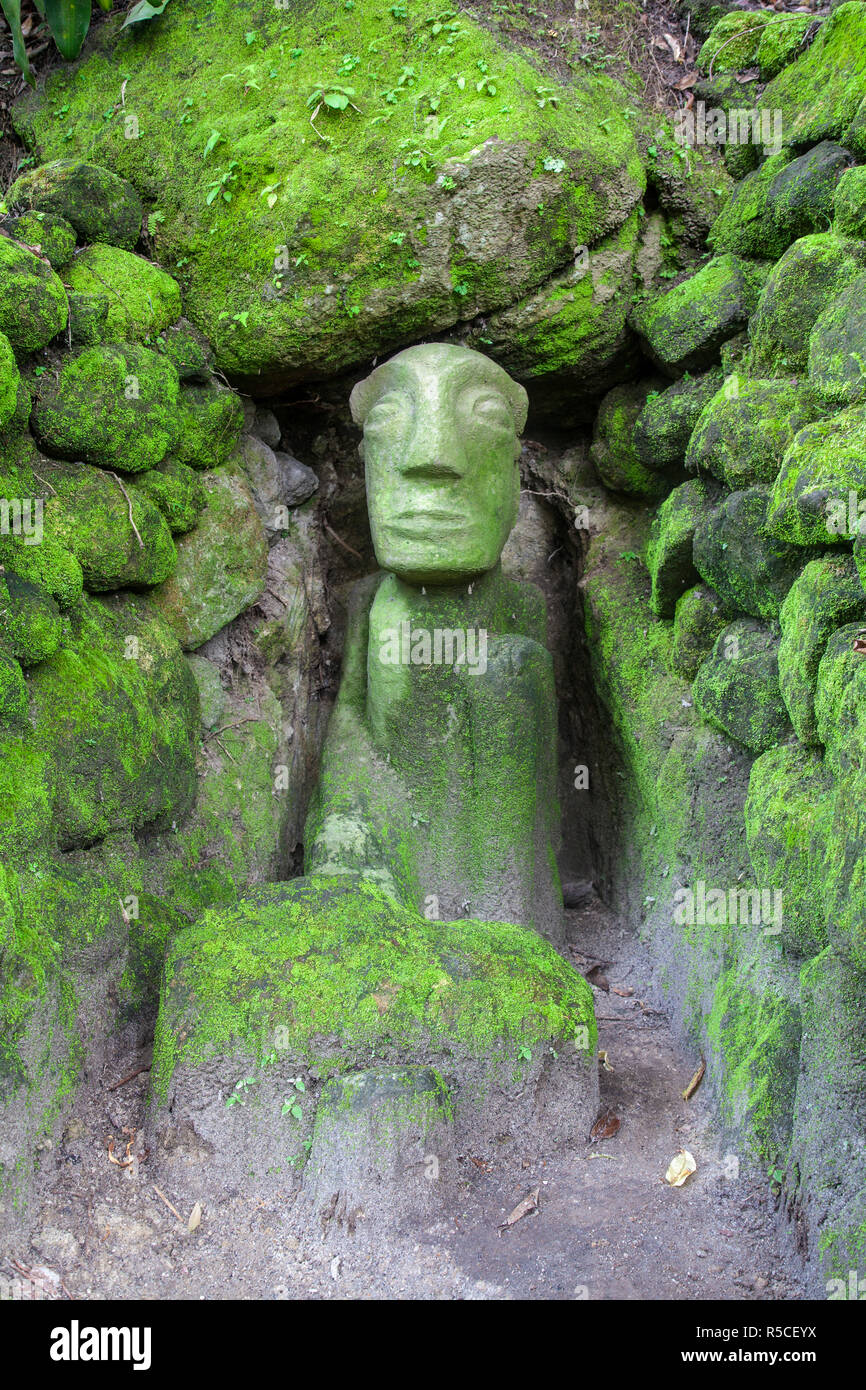
The Batak people have a profound respect for their ancestors, and this reverence is powerfully manifested in their unique burial customs, particularly the creation of ancestral stone graves. These aren’t mere resting places; they are intricate works of art, each carving and symbol telling a story of lineage, status, and spiritual beliefs.
What to Expect:
- Exploring Traditional Villages: Venture into the heart of Batak villages, such as those found on Samosir Island, the spiritual center of Batak culture. Here, you’ll witness these monumental stone structures firsthand. Villages like Tomok and Ambarita are renowned for their well-preserved stone graves, often featuring sarcophagi and ornate carvings of ancestral figures and mythical creatures.
- Understanding the Symbolism: Each carving on a stone grave has meaning. Look for depictions of human figures, animals, and abstract patterns. These elements represent the deceased’s life, their connection to the spirit world, and the ongoing relationship between the living and the ancestors. Learn about the beliefs surrounding the journey of the soul and the importance of appeasing ancestral spirits for prosperity and well-being.
- Connecting with the Past: Visiting these sites is more than just sightseeing; it’s a tangible connection to centuries of Batak history and spirituality. Imagine the ceremonies, the communal efforts involved in their creation, and the deep sense of continuity they represent.
Actionable Insight: When visiting these sacred sites, approach with respect. Dress modestly and be mindful of your surroundings. Engaging with local guides can provide invaluable insights into the history and cultural significance of each grave.
2. The Rhythm of Life: Witnessing the Power of Ulos Weaving
The art of Ulos weaving is not just a craft; it’s a fundamental aspect of Batak identity and social structure. These intricately woven textiles are far more than just fabric; they are imbued with meaning, carrying blessings, status, and spiritual protection. From birth to death, Ulos plays a vital role in every significant life event.
What to Expect:
- Hands-On Demonstrations: Many villages offer opportunities to witness Ulos weaving in action. You might see skilled artisans working on traditional backstrap looms, their hands moving with practiced grace, transforming threads into vibrant patterns. This is a chance to appreciate the labor-intensive and time-honored techniques passed down through generations.
- Understanding the Meanings: Each Ulos has a specific name and purpose. For instance, the “Ulos Sibolang” is often used for mourning, while the “Ulos Sadum” signifies celebration and good fortune. Learning about these distinctions offers a fascinating glimpse into the social codes and values of Batak society.
- Purchasing a Piece of Heritage: Buying an authentic Ulos directly from the weavers is a wonderful way to support the community and take home a truly meaningful souvenir. It’s a tangible piece of Batak culture that carries stories and blessings.
Actionable Insight: Don’t be afraid to ask questions about the patterns and their meanings. Understanding the context behind the Ulos enhances its value as a cultural artifact and a potential gift.
3. A Taste of Tradition: Experiencing Batak Cuisine and Hospitality
Beyond the visual and tactile experiences, your journey to Lake Toba would be incomplete without savoring the distinctive flavors of Batak cuisine and experiencing their renowned hospitality. Batak food is characterized by its bold flavors, often incorporating local ingredients like chili, lemongrass, and ginger, and a unique preparation method involving the use of bamboo.
What to Expect:
- Sampling Local Delicacies: While in Tuktuk or other villages, seek out opportunities to try authentic Batak dishes. Pork dishes, often cooked with blood (known as Darah), are a significant part of traditional Batak cuisine, though other meats and fish are also prepared. Don’t miss Arsik, a flavorful fish dish cooked in a rich spice paste, or Nani Arsik, a vegetable dish with similar spice profiles.
- Communal Dining: Batak culture places a strong emphasis on community and sharing meals. You might be invited to join a local family for a meal, offering a genuine glimpse into their daily life and warm hospitality. This is an invaluable opportunity to connect with the people and understand their way of life.
- Learning about Food Rituals: Certain dishes or ingredients are reserved for specific occasions or have symbolic meanings. Understanding these nuances adds another layer to the culinary experience.
Actionable Insight: Be open to trying new flavors and preparation methods. Engaging with locals about their food traditions can lead to memorable culinary discoveries and a deeper appreciation for Batak culture. Consider exploring local markets to see the fresh ingredients that form the foundation of their cuisine.
While the breathtaking views of Lake Toba are undoubtedly a major draw, it is the immersion into the ancient traditions of the Batak people that truly transforms a visit into an unforgettable cultural pilgrimage. By engaging with their ancestral rituals, the art of Ulos weaving, and the heart of their cuisine, you connect with a heritage that is as enduring and profound as the lake itself. Plan your trip with intention, and allow the stories, rhythms, and flavors of the Batak people to enrich your journey beyond measure.

Additional Information
Beyond the Views: 3 Ancient Batak Traditions You Can Experience at Lake Toba
Lake Toba, a UNESCO Global Geopark, is renowned for its breathtaking natural beauty – a vast caldera lake cradling the immense island of Samosir. Yet, beyond the stunning panoramas and laid-back charm of places like Tuktuk, lies a deeper, more captivating allure: the rich and enduring culture of the Batak people. For travelers seeking an authentic connection to this soul of North Sumatra, immersing themselves in ancient Batak traditions offers a profoundly rewarding experience.
As highlighted in recent travel guides, a visit to Lake Toba is not just about appreciating its blue waters; it’s an opportunity to learn and appreciate the unique culture and traditions that have shaped this region for centuries. Exploring the Batak villages is a must-do, revealing traditional houses with ornate carvings, unique customs, and vibrant traditional music that have been passed down through generations. This article delves into three specific ancient Batak traditions that visitors can actively experience, offering a tangible link to the past and the vibrant present of the Batak heritage.
1. Witnessing the Artistry of Traditional Batak Houses (Rumah Adat)
One of the most visually striking and historically significant Batak traditions is the architecture of their traditional houses, known as Rumah Adat. These aren’t just dwellings; they are living testaments to Batak cosmology, social structure, and artistic prowess.
What to Experience:
- Architectural Marvels: When you explore Batak villages, you’ll encounter these distinctive houses characterized by their towering, curved roofs that resemble a buffalo’s horn, symbolizing strength and prosperity. The houses are typically built on stilts, made from wood and often adorned with intricate carvings.
- Symbolic Carvings: The ornate carvings that adorn the facades of these Rumah Adat are not merely decorative. They often depict ancestral spirits, mythological creatures, and symbols representing the Batak worldview, such as the Sigalegale figures (more on that later) and the Gorga, a stylized motif believed to ward off evil spirits.
- Social and Spiritual Significance: These houses were traditionally divided into sections that reflected the social hierarchy of the family and clan. Some houses served as communal gathering spaces, while others were dedicated to religious ceremonies and ancestral veneration.
- Where to See Them: Samosir Island is a prime location to witness these architectural wonders. Villages like Tomok and Ambarita on Samosir Island are renowned for their well-preserved traditional Batak houses. As highlighted in itineraries, exploring these villages allows for an intimate glimpse into the daily lives and historical significance of these structures.
Analysis: Experiencing these traditional houses goes beyond appreciating their aesthetic beauty. It’s a tangible encounter with Batak history, beliefs, and community structures. The meticulous craftsmanship and symbolic meanings embedded in the architecture offer a profound insight into a society deeply connected to its ancestral roots and spiritual beliefs.
2. Engaging with the Rhythmic Soul: Batak Traditional Music and Dance
The vibrant spirit of Batak culture is perhaps most vibrantly expressed through its traditional music and dance. These performances are not just entertainment; they are integral to ceremonies, storytelling, and community bonding.
What to Experience:
- The Enchanting Gondang: A cornerstone of Batak music is the Gondang, a set of traditional percussive instruments, often including drums (gondang sabangunan) and gongs. The rhythmic patterns and melodies are highly specific and are played in particular sequences to convey different meanings or moods, from joyful celebrations to solemn rituals.
- The Expressive Dance Forms: Batak dances are characterized by their flowing movements, expressive hand gestures, and often involve intricate footwork. Dances like the Tor-Tor are particularly significant. While the Tor-Tor can be performed at various occasions, witnessing a traditional Tor-Tor performance, especially one accompanied by the Gondang, is an unforgettable experience.
- The Echo of Sigalegale: The Sigalegale is a life-sized wooden puppet, animated by strings and manipulated to perform a dance. Historically, the Sigalegale represented a deceased loved one, and its dance was a way for the community to communicate with the spirit world and bid farewell. Experiencing the mesmerizing dance of the Sigalegale, often accompanied by the sounds of the Gondang, is a powerful and often emotional encounter with Batak spiritual practices.
- Where to Experience Them: Many cultural villages and local communities around Lake Toba, particularly on Samosir Island, offer opportunities to witness these performances. Some homestays and cultural centers actively showcase traditional music and dance, providing a curated experience for visitors.
Analysis: The sonic and visual tapestry of Batak music and dance offers a direct conduit to the emotional and spiritual landscape of the Batak people. The intricate rhythms of the Gondang and the expressive movements of the dancers tell stories that have been passed down orally for generations, revealing aspects of their social interactions, historical narratives, and spiritual beliefs. The Sigalegale, in particular, offers a poignant connection to ancestral veneration and the Batak understanding of life and death.
3. Understanding Ancestral Lineage and the Toba Batak Social Structure
At the heart of Batak culture lies a deep respect for ancestry and a complex social structure based on kinship. Understanding these elements provides crucial context for appreciating many of their traditions.
What to Experience:
- The Importance of Sihaholongan (Family Tree) and Clans (Marga): Batak society is organized around marga, or clan names, which indicate paternal lineage. Every Batak person belongs to a specific marga, and understanding these connections is fundamental to their social identity. Visitors can learn about the significance of marga and how it dictates social interactions, marriage customs, and even seating arrangements at gatherings.
- Visiting Traditional Gathering Places and Ancestral Altars: Within the Rumah Adat and in dedicated village areas, you can often find spaces or even simple altars where ancestors were traditionally honored. Learning about these practices sheds light on the Batak belief system and their emphasis on maintaining a connection with those who came before.
- Learning about Traditional Laws and Customs (Adat Istiadat): Batak culture has a rich system of unwritten laws and customs, or adat istiadat, that govern various aspects of life, from conflict resolution to community decision-making. While experiencing these directly might be challenging for short-term visitors, engaging with local guides or community elders can offer invaluable insights into how adat istiadat continues to shape daily life.
- Where to Learn More: Engaging with locals, particularly those who are knowledgeable about Batak culture, is key. Many cultural tours and visits to villages are designed to explain these social structures. Reading historical accounts and engaging with the stories behind the marga system can greatly enhance your understanding.
Analysis: While not a performance in the traditional sense, understanding the Batak social structure and ancestral reverence is a crucial element of experiencing their traditions. It provides the framework for why certain customs are observed and how the community functions. This deeper understanding transforms a superficial observation into a meaningful appreciation of a culture that places immense value on lineage, respect for elders, and the enduring bonds of family.
Conclusion:
Lake Toba offers a unique canvas where nature’s grandeur meets the vibrant hues of Batak culture. By venturing “beyond the views” and actively seeking out experiences like marveling at traditional houses, immersing yourself in the rhythms of their music and dance, and delving into the intricacies of their social fabric, you gain a far richer and more profound understanding of this captivating region. As suggested by recent travel guides, a visit to Lake Toba is an invitation to not just see, but to truly experience the enduring legacy of the Batak people.