
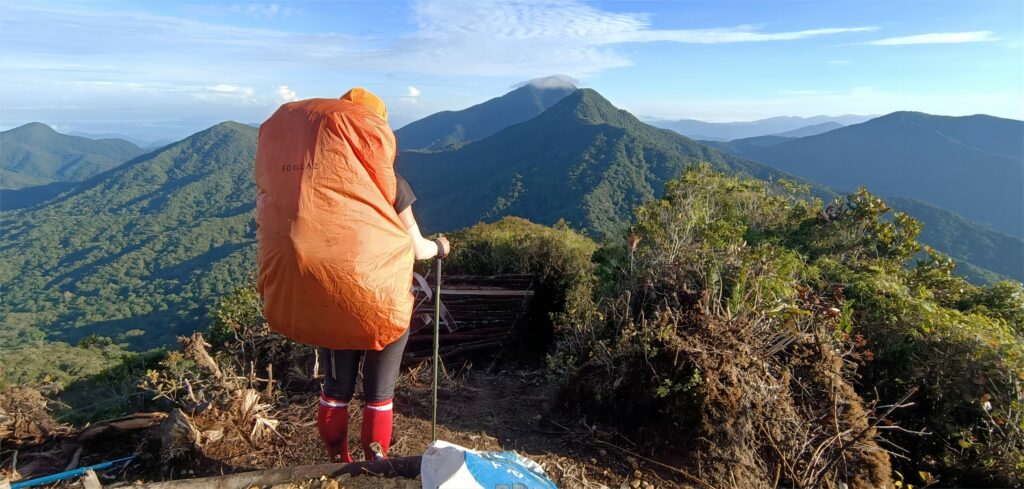
North Sumatra’s Majestic Highlands beckon with an untamed beauty that calls to the adventurous spirit. If you’re dreaming of emerald rice paddies, mist-shrouded volcanic peaks, and the symphony of the rainforest, then lacing up your boots and exploring its trekking trails is an absolute must. Forget crowded tourist traps; here, adventure unfolds with every step. Get ready to discover the raw, breathtaking landscapes that make this region a hiker’s paradise.
This guide is your ticket to uncovering four must-try trekking adventures in North Sumatra’s highlands, each offering a unique glimpse into the heart of this incredible Indonesian province.
1. The Majestic Traverse of Mount Sibayak: A Geothermal Wonderland
Mount Sibayak, standing proud near the charming town of Berastagi, offers an accessible yet incredibly rewarding trekking experience. Often referred to as the “King of Volcanoes” in the region, its well-trodden paths make it ideal for both seasoned hikers and those new to highland adventures.
- The Journey: The trek typically begins from the foot of the volcano, with several entry points available. The ascent is characterized by a mix of forested trails and open, rocky terrain as you gain altitude. You’ll soon notice the tell-tale signs of geothermal activity – steaming fumaroles, bubbling mud pots, and the distinct scent of sulfur in the air. It’s a vivid reminder of the earth’s power simmering beneath your feet.
- The Reward: The summit of Mount Sibayak presents a surreal panorama. Imagine standing on the rim of a crater, gazing out over a vast expanse of rolling hills, verdant valleys, and distant volcanoes. The sunrise and sunset views are particularly spectacular, painting the sky in a palette of fiery hues. Don’t miss the opportunity to soak in the natural hot springs located at the base of the mountain after your trek – a perfect way to soothe tired muscles.
- Why it’s a Must-Try: Sibayak offers a fantastic introduction to volcanic trekking, combining accessible trails with awe-inspiring geothermal landscapes and panoramic views. It’s a sensory experience that invigorates and amazes.
2. Conquering the Clouds on Mount Sinabung: A Volcanic Spectacle (with Caution)
Mount Sinabung, while currently active and requiring careful monitoring for safe access, presents an even more dramatic and powerful trekking opportunity for the truly adventurous, when conditions permit guided tours. Its imposing presence dominates the landscape, and the trekking experience here is unlike any other.
- The Experience: Treks around Mount Sinabung, when permitted and guided by local experts, often focus on exploring the areas surrounding its base and observing its majestic, albeit volatile, nature from a safe distance. Depending on current activity levels, some trails might lead you through hardened lava flows, showcasing the raw power of past eruptions, or offer viewpoints overlooking the caldera. The landscape is starkly beautiful, often covered in ash, creating a unique, almost lunar-like terrain.
- Safety First: It’s paramount to emphasize that trekking directly on Mount Sinabung is subject to volcanic activity and safety regulations. Always consult with local authorities and experienced guides before planning any visit. This is a trek that demands respect for nature’s immense power.
- Why it’s a Must-Try: For those who seek an encounter with the raw, untamed forces of nature, and when safety allows, the opportunity to witness the sheer scale and power of an active volcano like Sinabung up close is an unforgettable, albeit humbling, experience. [Consider linking to local tour operator websites or official volcano monitoring sites here for updated safety information].
3. The Serene Ascent of Bukit Gundaling: Panoramic Views of Berastagi
For a gentler yet equally rewarding trekking experience, Bukit Gundaling, also located near Berastagi, offers stunning vistas without the demanding climb of its volcanic neighbors. This is a perfect option for a leisurely morning or afternoon hike, or for families.
- The Trail: Bukit Gundaling is more of a hill than a mountain, with well-maintained paths that wind through pine forests and open meadows. The ascent is gradual, making it an easy and enjoyable walk. You’ll encounter local farmers tending their crops and might even spot some of the region’s unique flora and fauna.
- The Scenery: The main attraction here is the unparalleled panoramic view of the Berastagi valley. From the summit, you can admire the twin volcanoes, Mount Sibayak and Mount Sinabung, standing sentinel over the landscape. The patchwork of agricultural fields below adds a vibrant splash of green and brown, creating a postcard-perfect scene.
- Why it’s a Must-Try: Bukit Gundaling is the ideal choice for a relaxing hike that still delivers breathtaking scenery. It’s a fantastic way to soak in the grandeur of the North Sumatran highlands without requiring extensive preparation or strenuous effort.
4. The Mystical Journey to Lake Toba’s Caldera Rim: A UNESCO World Heritage Trek
While not a single defined “trail,” exploring the rim of the Toba caldera offers an epic multi-day trekking adventure, immersing you in the heart of one of the world’s most spectacular volcanic landscapes. This vast supervolcano caldera is now filled with the breathtaking Lake Toba, and the surrounding highlands provide incredible trekking opportunities.
- The Adventure: Imagine traversing ancient volcanic ridges, passing through traditional Batak villages, and catching glimpses of the vast, sapphire-blue Lake Toba far below. Trekking here can involve days of hiking, with opportunities to stay in local homestays, interact with the welcoming Batak people, and learn about their rich culture. The trails can vary from challenging mountain paths to more accessible routes through agricultural land.
- Cultural Immersion: This region is steeped in history and culture. As you trek, you’ll witness the unique architecture of the Batak houses (Rumah Bolon), visit ancient stone graves, and perhaps even be invited to share a meal with a local family. It’s an experience that goes beyond just the physical exertion, offering a deep connection to the land and its people.
- Why it’s a Must-Try: Trekking around the Lake Toba caldera rim is an unparalleled journey that combines stunning natural beauty with profound cultural immersion. It’s a chance to walk through history and witness a landscape shaped by one of Earth’s most dramatic geological events. [Consider linking to articles about Batak culture or Lake Toba’s history here].
Planning Your North Sumatran Trekking Adventure
Before you set off, a little preparation goes a long way.
- Best Time to Visit: The dry season, generally from May to September, offers the most pleasant trekking conditions with less rain.
- What to Pack: Lightweight, quick-drying clothing, sturdy hiking boots, a rain jacket, sunscreen, insect repellent, a hat, plenty of water, and snacks are essential.
- Guides and Permits: For more challenging or remote treks, hiring a local guide is highly recommended for safety, navigation, and cultural insights. Some areas may require permits.
- Respect Local Customs: Always be mindful of local customs and traditions, especially when visiting villages.
North Sumatra’s majestic highlands are waiting to be explored. These four trekking trails offer a taste of the incredible diversity and raw beauty this region holds. So, pack your bags, embrace the spirit of adventure, and discover the magic that lies within these extraordinary landscapes. Happy trekking!

Additional Information
Beyond the Tourist Trail: Discover 4 Must-Try Trekking Trails in North Sumatra’s Majestic Highlands
North Sumatra, a land of volcanic grandeur, emerald rainforests, and vibrant indigenous cultures, offers a hiker’s paradise for those seeking adventure beyond the beaten path. While the call of orangutans in Bukit Lawang might be the initial draw, the province’s majestic highlands hide a treasure trove of trekking experiences, each promising breathtaking vistas, unique biodiversity, and a profound connection with nature. Leveraging insights from platforms like AllTrails and expert backpacking guides, we’ve curated four must-try trekking trails that showcase the diverse beauty of North Sumatra’s highlands.
1. The Ascent of Mount Sibayak: A Volcanic Awakening
Mount Sibayak, situated near the popular town of Berastagi, is a fantastic introduction to the volcanic landscapes of North Sumatra. Often referred to as the “Old Man,” this dormant volcano offers a relatively accessible yet incredibly rewarding trekking experience.
What to Expect: The most common ascent begins from the Semangat Gunung village. The trail is well-defined for the most part, winding through lush cloud forests before opening up to a more rugged, rocky terrain as you approach the summit. The journey typically takes around 2-3 hours one way, making it achievable for most fitness levels. The real spectacle awaits at the crater rim. Here, you’ll be greeted by steaming fumaroles, bubbling mud pools, and a surreal, otherworldly landscape painted in shades of yellow and white from the sulfur deposits. The panoramic views from the summit are simply stunning, encompassing the rolling hills of the Karo Highlands, neighboring volcanoes, and often extending to the distant sea on clear days.
Why it’s a Must-Try:
- Accessibility: Its proximity to Berastagi makes it an easy addition to any itinerary.
- Volcanic Wonders: The active geothermal features are a unique and captivating sight.
- Sunrise/Sunset Magic: An early morning trek to witness the sunrise or a late afternoon hike for sunset offers unforgettable memories.
- Thermal Baths: After your trek, a rejuvenating soak in the natural hot springs at the base of the mountain is the perfect way to unwind.
Insider Tip: Many hikers opt for a sunrise trek. Ensure you have a good headlamp and warm clothing, as it can be chilly before dawn. Hiring a local guide is recommended for safety and to learn about the volcanic geology.
2. Trekking Through the Heart of Batak Culture: Lake Toba’s Hidden Trails
While Lake Toba itself is a world-renowned destination, the trekking opportunities around its caldera rim offer a deeper immersion into the rich Batak culture and breathtaking highland scenery. Forget the crowded boat trips; explore the perimeter on foot.
What to Expect: Instead of a single defined trail, think of a network of paths that connect villages, rice terraces, and viewpoints around the lake. One particularly rewarding route could involve starting from Ambarita Village on Samosir Island, known for its traditional Batak houses and stone courts. From there, you can hike towards Tomok Village, experiencing the rural life, lush agricultural landscapes, and interacting with the friendly locals. The trails can vary from paved village roads to dirt paths through coffee plantations and small forests. The duration can be customized, with day hikes ranging from 3-6 hours or longer multi-day treks connecting different villages. The reward is not just the stunning views of Lake Toba from elevated perspectives but also the glimpses into the daily lives and traditions of the Batak people.
Why it’s a Must-Try:
- Cultural Immersion: Directly experience Batak life by walking through their villages and interacting with communities.
- Diverse Landscapes: From serene lake views to verdant hillsides and coffee plantations, the scenery is varied and captivating.
- Off-the-Beaten-Path: Discover less-visited areas and experience the tranquility of the highlands.
- Connection to History: Explore ancient stone structures and learn about the fascinating history of the Batak people.
Insider Tip: Engage with local communities. Many villagers are happy to share their stories and offer homestay experiences, enriching your trek significantly. Always ask permission before taking photos of people.
3. The Majestic Queen of the North: Mount Sinabung’s Raw Power (Observe from a Safe Distance)
Important Note: Due to its recent and frequent eruptive activity, direct trekking up Mount Sinabung is highly discouraged and often prohibited for safety reasons. However, experiencing its awe-inspiring presence and the dramatic landscapes shaped by its power from designated safe viewing points is a profound experience.
What to Expect: While you won’t be summiting, the trekking experience around Mount Sinabung focuses on observing its grandeur and the impact of its volcanic activity. Trails often lead to viewpoints in villages on the periphery of the danger zone, such as Gundaling Hill or specific vantage points that offer clear, albeit distant, views of the volcano. These hikes can involve walking through villages that have been affected by ash fall, showcasing the resilience of the local communities. You might also find trails that lead through agricultural land, now partially reclaimed by nature or bearing the marks of past eruptions. Hikes here are generally shorter, focusing on the visual spectacle and the stories of adaptation.
Why it’s a Must-Try (from a safe distance):
- Witness Raw Volcanic Power: Seeing a currently active volcano, even from afar, is a humbling and powerful experience.
- Understand Volcanic Impact: Observe firsthand the landscapes shaped by eruptions and the community’s relationship with their powerful neighbor.
- Unique Photography Opportunities: Capture dramatic and evocative scenes of the volcano against the highland backdrop.
- Appreciation for Nature’s Forces: A visceral reminder of the earth’s dynamic nature.
Insider Tip: Always check the latest safety advisories and designated safe zones from local authorities or your tour operator before planning any visit to the vicinity of Mount Sinabung. Guided tours are highly recommended for navigating safe routes and understanding the situation.
4. The Serene Beauty of Sipiso-Piso Waterfall and Surrounding Highlands
While primarily known for its spectacular waterfall, the area around Sipiso-Piso in the Karo Highlands offers excellent trekking opportunities that combine the drama of the cascading water with the tranquility of the highland forests and rural landscapes.
What to Expect: The main attraction is undoubtedly Sipiso-Piso, one of Indonesia’s tallest waterfalls, plunging an astonishing 120 meters into a deep canyon. Trekking here often involves descending a steep staircase to the base of the waterfall, offering an up-close and personal encounter with its immense power and the refreshing mist. Beyond the immediate vicinity of the waterfall, you can explore trails that wind through the surrounding pine forests, offering panoramic views of the valley and Lake Toba in the distance. These trails can be of varying difficulty, from gentle walks to more challenging climbs. A potential route could involve starting near the waterfall, exploring its base, and then venturing onto the less-trodden paths into the adjacent highlands, perhaps reaching smaller viewpoints or charming local settlements. Hikes can range from 1-4 hours, depending on the chosen route.
Why it’s a Must-Try:
- Breathtaking Waterfall: The sheer height and power of Sipiso-Piso are mesmerizing.
- Forest Immersion: Trek through fragrant pine forests, a pleasant change from tropical rainforests.
- Scenic Vistas: Enjoy sweeping views of the dramatic valley and the distant Lake Toba.
- Tranquil Escape: Offers a peaceful and rejuvenating experience away from busier tourist hubs.
Insider Tip: The staircase to the waterfall base is steep; wear appropriate footwear. Consider combining your visit with a trek to nearby viewpoints for a more comprehensive highland experience.
North Sumatra’s highlands are a testament to the raw beauty and cultural richness of Indonesia. These four trekking trails, from volcanic marvels to cultural heartlands and natural wonders, offer diverse and unforgettable experiences for any adventurer. As AllTrails showcases the wealth of options available, and backpacking guides highlight the best routes, there’s no better time to lace up your boots and discover the majestic highlands of North Sumatra.
