From Rituals to Rhythms: Understanding the Enduring Spirit of Lake Toba’s Ancestral Culture

From Rituals to Rhythms: Understanding the Enduring Spirit of Lake Toba’s Ancestral Culture
Imagine standing on the shores of a sapphire expanse, a lake so vast it feels like an inland sea. This is Lake Toba, Indonesia’s breathtaking volcanic caldera, a place where nature’s raw power has sculpted a landscape of unparalleled beauty. But beyond the stunning vistas, Lake Toba holds a deeper magic – the enduring spirit of its ancestral culture, the Batak. This isn’t just a place to visit; it’s a living testament to traditions that have pulsed through generations, transforming ancient rituals into the vibrant rhythms of daily life.
For centuries, the Batak people have called this volcanic wonder home, their lives intricately woven with the natural world and their spiritual beliefs. While the dramatic origins of Lake Toba, a supervolcanic eruption approximately 73,000-75,000 years ago, are a source of awe, it’s the cultural legacy that truly captivates. Let’s embark on a journey to understand how the ancestral practices of the Batak continue to resonate today.
The Foundations: Rituals as the Pillars of Batak Life
At the heart of any enduring culture lie its rituals, the structured practices that connect people to their past, their deities, and each other. For the Batak, these rituals were not mere ceremonies; they were the very fabric of existence, dictating everything from birth and marriage to harvest and death.
Adat: The Guiding Code
The concept of adat – customary law and tradition – is paramount. It encompasses a complex system of rules, social structures, and moral obligations that have been passed down through oral tradition and reinforced through regular observance. Understanding adat is key to unlocking the spirit of Batak culture.
-
Family and Clan Structure: The Batak society is traditionally organized into clans, or marga. These margas are patrilineal and form the fundamental unit of social and spiritual life. Marriages, for instance, are strictly regulated, often requiring individuals to marry outside their own marga to foster alliances and prevent the concentration of power within a single lineage. This intricate web of kinship continues to be a significant aspect of Batak identity.
-
Spirituality and Ancestor Worship: The Batak people have a rich spiritual landscape, traditionally characterized by animism and the veneration of ancestors. Ancestors were believed to possess significant influence over the living, and rituals were performed to honor them, seek their guidance, and ensure their well-being. This deep respect for those who came before lays the groundwork for the enduring nature of their traditions.
-
Ceremonial Significance: From intricate wedding ceremonies that can span days, involving elaborate feasts and the exchange of symbolic gifts, to funeral rites that honor the departed and ensure their smooth transition to the afterlife, rituals were the milestones of Batak life. These ceremonies were not only spiritual but also social events, reinforcing community bonds and transmitting cultural values.
The Evolution: From Rituals to Rhythms
While the foundational rituals remain crucial, the genius of the Batak culture lies in its ability to adapt and evolve, transforming these ancient practices into the vibrant rhythms of contemporary life. It’s a subtle shift, a seamless integration of the past into the present.
The Pulse of Daily Life
What once might have been a formal, often solemn, ritual has now often found its expression in the everyday pulse of the community.
-
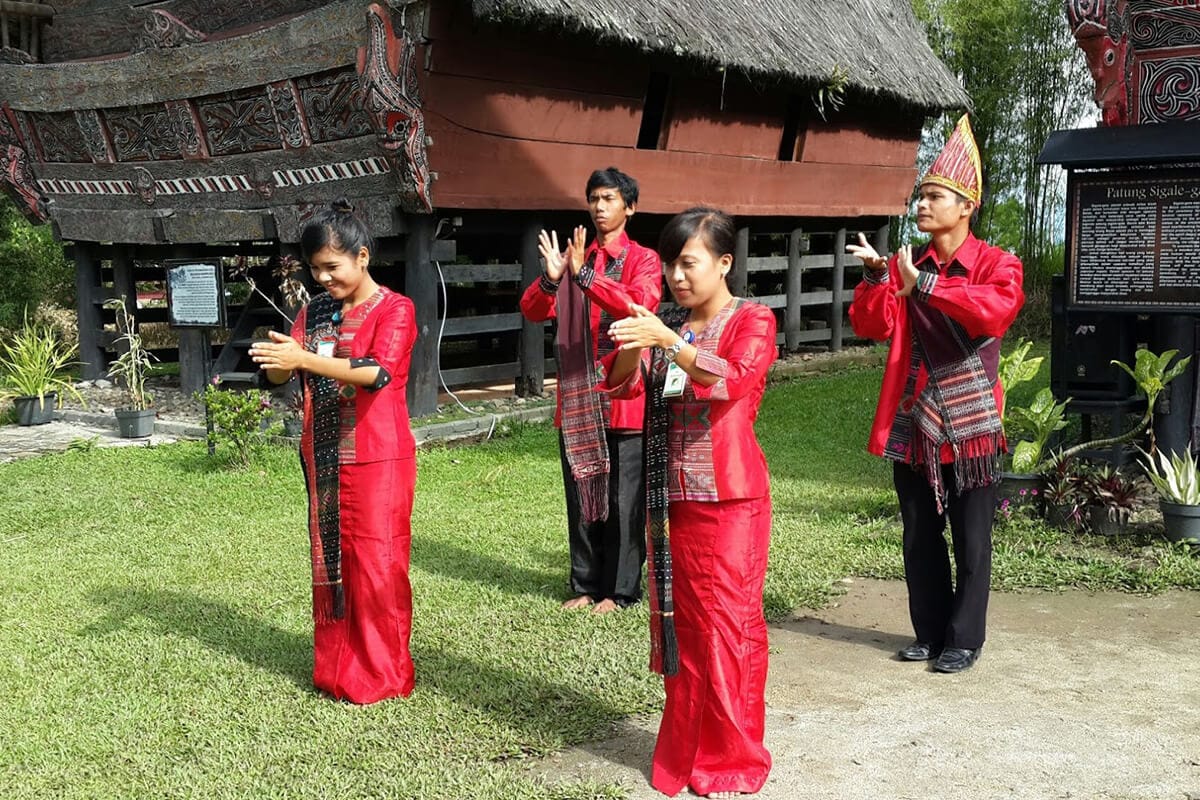
Music and Dance as Living Tradition: Traditional Batak music, with its distinctive ululations and the haunting melodies of instruments like the hasapi and sarune, is far more than just entertainment. It’s a direct link to ancestral practices, often accompanying storytelling, ceremonies, and even daily work. Dance forms, too, are not merely performances but convey narratives of history, mythology, and social interactions. The rhythmic beats and fluid movements are a tangible manifestation of their cultural heritage. Exploring performances like “Baringin Sabatola” by Marsada Band, as highlighted in current discussions, offers a glimpse into this fusion of soulful music and cultural storytelling.
-
Storytelling and Oral History: The Batak have a strong tradition of oral storytelling, where epic myths, historical accounts, and moral lessons are passed down from generation to generation. This practice, deeply rooted in ancient rituals of knowledge transmission, continues to be a vital way for the culture to stay alive and relevant. It’s the storytelling that often weaves together the meaning behind the rituals.
-
Art and Architecture as Cultural Markers: The iconic Batak houses, with their distinctive saddle-shaped roofs and intricate carvings, are more than just dwellings; they are living museums of ancestral art and symbolism. Each motif, each detail, carries meaning and connects the inhabitants to their lineage and the natural world. Even modern constructions often draw inspiration from these traditional forms, keeping the aesthetic alive.
Connecting with the Ancestral Spirit Today
For visitors and locals alike, experiencing the enduring spirit of Lake Toba’s ancestral culture is an opportunity for deeper connection.
Immerse Yourself in the Experience:
-
Engage with Local Communities: Don’t just observe; engage. Visit local villages, interact with artisans, and try to understand the daily lives of the Batak people. A willingness to learn and show respect goes a long way.
-
Attend Local Festivals and Events: If your visit coincides with a local festival or a traditional ceremony, consider attending. These are often joyous occasions that offer an authentic glimpse into the living culture. Remember to inquire about appropriate etiquette beforehand.
-
Explore Batak Cultural Centers: Many areas around Lake Toba offer cultural centers or museums that provide detailed information about Batak history, art, and traditions. These are excellent starting points for understanding the context of what you’ll see. Consider visiting the cultural heritage sites mentioned in guides to Toba Lake.
-
Learn a Few Batak Phrases: Even a few basic greetings can bridge cultural gaps and show your appreciation for the local language and customs.
A Legacy that Endures
Lake Toba is more than just a geological marvel. It is a cradle of culture, a place where the wisdom of ancestors continues to inform the present. The transition from rigid rituals to the flowing rhythms of daily life is a testament to the resilience and adaptability of the Batak people. By understanding and appreciating this journey, we gain a deeper insight into the soul of Toba, a heritage that is as profound and enduring as the lake itself.
The spirit of the Batak ancestors is not confined to museums or ancient texts; it beats in the hearts of the people, echoes in the melodies of their music, and thrives in the vibrant tapestry of their continuing traditions. It’s an invitation to listen, to learn, and to be inspired by a culture that has found a harmonious balance between the echoes of the past and the vibrant pulse of the present.

Additional Information
From Rituals to Rhythms: Understanding the Enduring Spirit of Lake Toba’s Ancestral Culture
Lake Toba, nestled in the heart of North Sumatra, Indonesia, is not merely the world’s largest volcanic lake – a geological marvel born from a cataclysmic supervolcanic eruption approximately 73,000-75,000 years ago. It is also a cradle of an ancient and vibrant culture, the enduring spirit of which is intricately woven into the very fabric of the landscape. This is the realm of the Batak people, whose ancestral culture, once deeply rooted in elaborate rituals, now finds expression in captivating rhythms that continue to resonate through their daily lives.
The “Soul of Toba,” as it is often referred to, is a testament to a harmonious intertwining of ancient wisdom with contemporary life. The Batak legacy is one where indigenous knowledge, honed over millennia, now seeks to harmonize with modern conservation efforts. This deep connection to nature, a direct consequence of their geological origins, is a cornerstone of their cultural identity. As highlighted by the IUCN, the narrative of Lake Toba is undeniably one of nature and culture, where the wisdom of its indigenous inhabitants plays a crucial role in its preservation.
At the core of this enduring spirit lies a rich tapestry of culture and traditions. While the physical beauty of the lake, spanning over 1,145 square kilometers, is breathtaking, it is the people and culture that truly bring the region to life. Exploring Lake Toba offers more than just a scenic journey; it provides an opportunity to immerse oneself in the captivating story of this hidden gem and gain a deeper understanding of its heritage.
Historically, the Batak Toba culture was deeply structured around a complex system of rituals. These ceremonies were not mere performances but vital societal mechanisms that governed social order, spiritual beliefs, and the connection between the living and the ancestral realms. From birth rites to elaborate funeral ceremonies (although the latter are evolving), rituals served to maintain balance and ensure the continuity of lineage and tradition. These rituals were often accompanied by specific forms of artistic expression, including music and dance, which played a significant role in their sacred narratives and social cohesion.
What is particularly fascinating is how this ancestral spirit has transitioned and adapted, evolving from highly structured rituals to more fluid and dynamic rhythms. The search results offer a glimpse into this evolution. The mention of “Baringin Sabatola” by Marsada Band exemplifies this shift. This musical piece, described as evoking the serene beauty of the lake, combined with traditional clothing and instruments, allows viewers to be immersed in the rich heritage. It showcases how traditional sounds and melodies, once integral to ritualistic practices, are now reinterpreted and presented in a way that resonates with contemporary audiences, forming the soulful rhythms of Toba.
This evolution from ritual to rhythm signifies a remarkable resilience and adaptability within the Batak culture. It demonstrates an ability to preserve the essence of their ancestral practices while embracing new forms of expression. The magnificent architecture associated with Batak culture, such as the traditional houses (rumah adat), are themselves embodiments of this enduring spirit, often adorned with intricate carvings that tell ancestral stories and reflect their worldview.
To truly understand the enduring spirit of Lake Toba’s ancestral culture is to appreciate this seamless blend of past and present. It is to recognize that the deep-seated wisdom and cultural pride, once manifest in meticulous rituals, now pulse through the vibrant rhythms of their music, the artistry of their crafts, and the warmth of their spirit. As the search results suggest, embarking on a journey to discover the “Soul of Toba” is an unforgettable experience, offering a deeper insight into a culture that continues to thrive, drawing strength from its ancient roots while gracefully dancing to the rhythms of modernity. Lake Toba Parapat’s rich history and indigenous culture offer a compelling narrative of cultural continuity and adaptation, making it a truly fascinating destination for those seeking to connect with the enduring spirit of ancestral traditions.
