
So, you’ve decided to trade the daily grind for the island life. Moving to Bali is a dream for many, but as we head deeper into 2026, understanding how to move and live in Bali long term requires more than just a passport and a suitcase. Whether you are a digital nomad, a retiree, or a family seeking a change of scenery, living in Bali long-term is a rewarding, life-changing experience—provided you navigate the legalities and logistics correctly.
This guide covers everything you need to know about how to move and live in Bali long term, helping you transition from a tourist to a local resident in the “Island of the Gods.”
Understanding Your Visa Options for 2026
The most critical step in your journey to understand how to move and live in Bali long term is securing legal residency. Gone are the days of constant “visa runs” as the only option. In 2026, the Indonesian government offers several pathways for long-term stay:
The Second Home Visa: Perfect for high-net-worth individuals, this visa allows you to stay for 5 to 10 years without needing a local sponsor.
KITAS (Limited Stay Permit): The most common route for professionals seeking employment opportunities in Bali through a local sponsor, investors, or those married to an Indonesian citizen. It grants you legal residency status for a fixed period, usually one to two years, and is renewable. Obtaining a work permit is typically part of this process for those employed.
KITAP (Permanent Stay Permit): Once you have held a KITAS for several years, you may be eligible to upgrade to a KITAP, which provides a five-year renewable residency, essentially solidifying your status as a long-term resident.
Always consult with a reputable visa agent in Bali to ensure you are selecting the category that best fits your financial and personal situation, especially if you are considering setting up a business in Bali or need guidance on company registration, when considering how to move and live in Bali long term.

Budgeting for Your Bali Lifestyle
One of the biggest misconceptions about how to move and live in Bali long term is that it is universally “cheap.” While you can live comfortably on a modest budget, the cost of living varies wildly depending on your lifestyle and location.
For 2026, a realistic monthly budget for a single person ranges from $1,500 to $3,000 USD. This includes rent, motorbike fuel, high-speed internet, health insurance, cost of groceries, utilities in Bali (like electricity and water), and local dining.
Rent: Your largest expense. A villa in Canggu or Uluwatu will cost significantly more than a traditional house in quieter areas like Tabanan or East Bali.
Healthcare: Do not skimp on this. While there are decent local healthcare facilities and private clinics, ensure you have international health insurance that covers medical evacuation, as specialized procedures may require a trip to Singapore or back home. Knowing the nearest emergency services is also crucial.
Local Transport: Renting a scooter remains the most economical way to get around, costing roughly $60–$100 USD per month. Additionally, understanding your tax residency in Indonesia and potential income tax implications is vital for long-term financial planning.
Choosing the Right Neighborhood
Bali is not a monolith; each region offers a completely different “vibe.” Before committing to how to move and live in Bali long term, spend at least a month exploring different areas to see where you truly fit in.
Canggu & Pererenan: The hub for digital nomads and surf enthusiasts. High energy, trendy cafes, a bustling social scene, and numerous expat groups and networking opportunities.
Ubud: The cultural and spiritual heart of the island. Ideal for those who prefer yoga, lush jungles, and a slower pace of life.
Uluwatu: Known for dramatic cliffside views and world-class surf breaks. It is becoming increasingly popular for luxury living and sophisticated expat communities.
Sanur: A family-friendly, relaxed coastal town with a long boardwalk, perfect for those who want a quieter, more traditional atmosphere and access to various international schools in Bali offering diverse education options for children.

Navigating Long-Term Rentals
Securing housing is where many expats encounter challenges when figuring out how to move and live in Bali long term. When looking for a place to live, always inspect the property in person before transferring any money.
Check the contract: Ensure you understand the terms regarding maintenance, electricity (often paid via a prepaid token system), and villa management.
Negotiate: In 2026, the rental market is competitive. If you are committing to a 12-month lease or longer, you can often negotiate the annual rate.
- Community Integration: Don’t just stick to the expat bubble. Engaging with local residents, attending village (Banjar) events, and learning basic Bahasa Indonesia will significantly enrich your experience and earn you the respect of the local community.
Essential Tips for a Smooth Transition
Moving to a new country is a massive undertaking. To ensure your long-term success, keep these expert tips in mind:
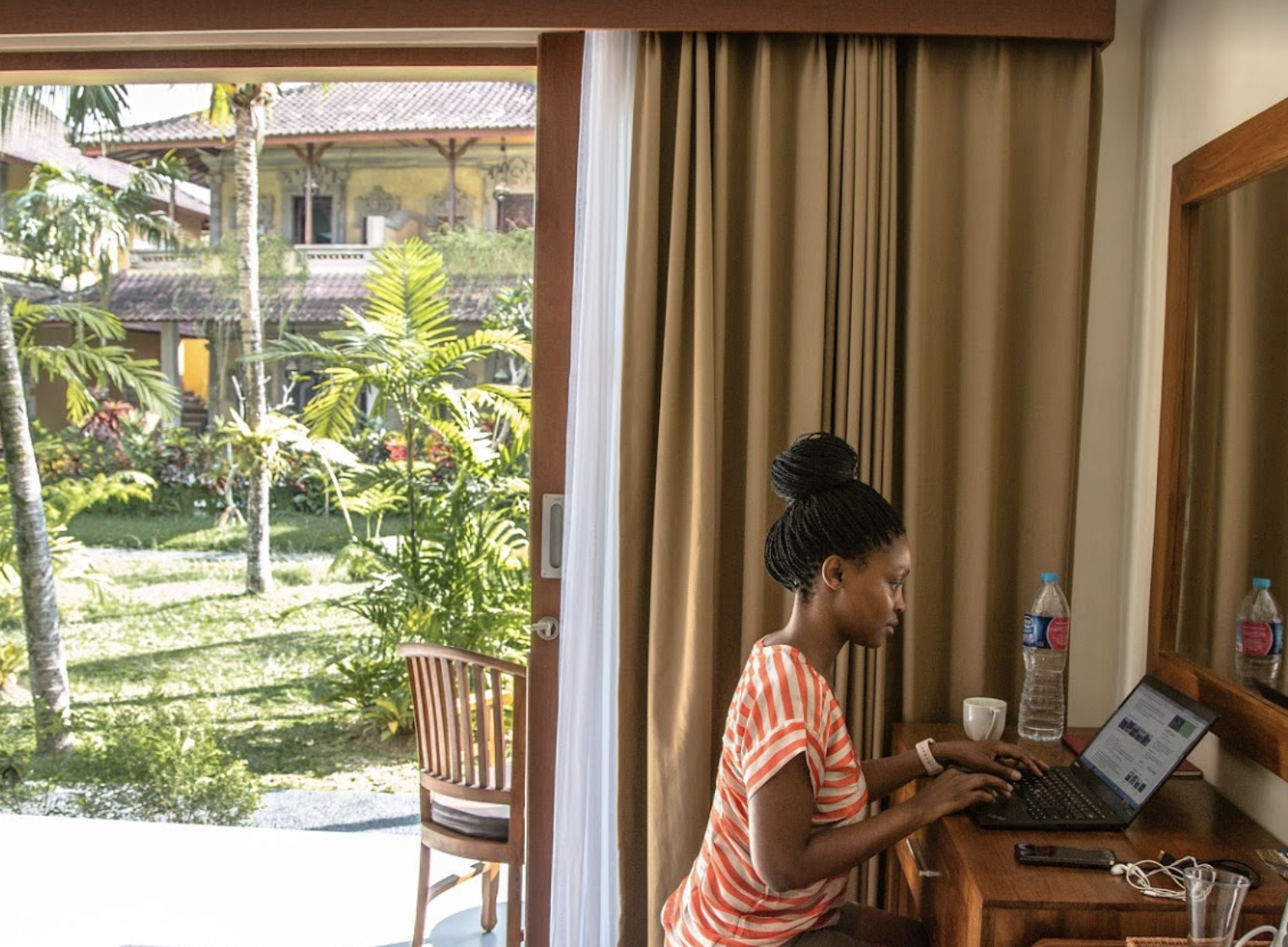
- Digital Infrastructure: Ensure your villa has a dedicated fiber-optic internet connection. Relying on 5G data alone can be frustrating if you work online.
- Banking: Open a local bank account (like BCA or Mandiri) as soon as you have your KITAS. It makes paying local bills and transferring money significantly cheaper. Also, ensure you have an international driving permit before arriving, and consider obtaining a local driving license if you plan to stay long-term and drive a scooter or car.
- Respect the Culture: Bali is a deeply spiritual island. Always be mindful of local customs, especially during religious ceremonies and Nyepi (the Balinese Day of Silence).
- Stay Healthy: Drink filtered water, eat fresh local produce from the markets, and keep up with your fitness routine. Bali’s tropical environment can be intense; hydration is your best friend.
Final Thoughts
Living in Bali long-term is about more than just the aesthetic of palm trees and sunsets. Understanding how to move and live in Bali long term involves embracing a different rhythm of life, navigating the complexities of a foreign legal system, and building a community in a beautiful, diverse land. By doing your research, securing the right visa, and approaching your move with an open mind, you can turn your Bali dream into a sustainable reality in 2026.