

The Journey of Life: Unveiling 3 Key Batak Rites of Passage
Life is a continuous journey, marked by significant milestones that shape our identity and integration into society. For many cultures, these transitions are not merely chronological events but are formally acknowledged and celebrated through sacred rites of passage. In the vibrant tapestry of Indonesian culture, the Batak people of North Sumatra possess a rich tradition of these ceremonies, deeply intertwined with their ancestral beliefs and social structures. Understanding these rituals offers a profound glimpse into the Batak worldview, their emphasis on kinship, and their spiritual connection to the universe.
This exploration delves into three pivotal Batak ceremonies that guide individuals from one life stage to another, transforming them from children to adults, from single individuals to married partners, and from the living to the ancestors. These are not just formal procedures; they are living traditions that reinforce community bonds and spiritual continuity.
The Significance of Rites of Passage in Batak Culture
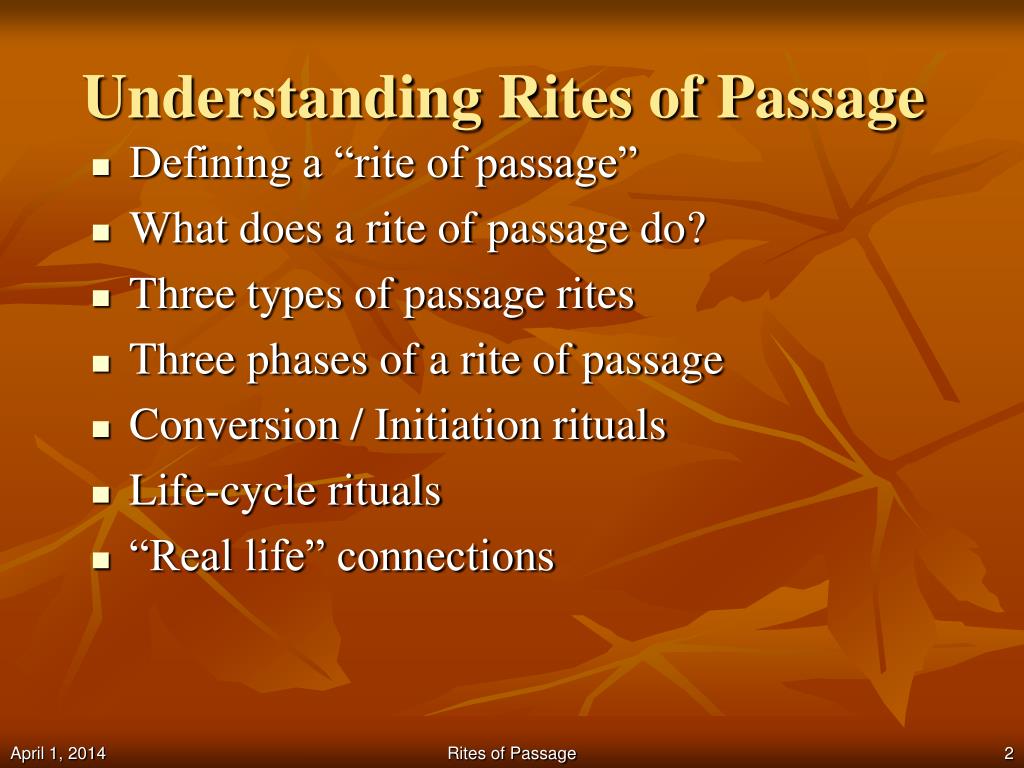
Before we dive into specific ceremonies, it’s crucial to understand why these rites of passage hold such immense importance in Batak society. Unlike a simple “coming of age,” Batak rituals are elaborate and purposeful, often involving significant community participation and the exchange of symbolic gifts. They serve several vital functions:
- Social Integration: By publicly acknowledging a transformation, these ceremonies officially integrate individuals into new social roles and responsibilities.
- Spiritual Affirmation: They connect the individual to the spiritual realm, seeking blessings from ancestors and deities for their new phase of life.
- Kinship Reinforcement: The involvement of extended family (through the marga system) strengthens inter-family relationships and obligations.
- Identity Formation: They provide a clear framework for understanding one’s place within the community and the broader cosmic order.
The term “rite” itself, as Merriam-Webster defines, refers to “a prescribed form or manner governing the words or actions for a ceremony.” This precisely captures the essence of Batak transitional rituals, where established forms and customary practices are paramount.
1. Mangain (Puberty and Coming of Age)
One of the earliest and most fundamental Batak rites of passage is Mangain. While not always as overtly elaborate as later ceremonies, this rite marks the transition from childhood to adolescence and the cusp of adulthood. It signifies a child’s readiness to understand and begin to participate more actively in the responsibilities of the community.
What Happens During Mangain?
- Spiritual Awakening: The ceremony often involves a spiritual cleansing or blessing, sometimes including the application of traditional herbs or symbolic markings.
- Introduction to Community Lore: The child is introduced to certain ancestral stories, proverbs, and the importance of their marga (clan name).
- Dietary Restrictions and Education: Depending on the specific Batak sub-group, there might be temporary dietary restrictions and initial teachings on adult responsibilities, including understanding lineage and proper social conduct.
- Symbolic Presentation: The child may be presented with new clothing or tools that symbolize their evolving status.
Why is Mangain Important?
This rite is the initial step in preparing a young Batak for the more significant communal and spiritual duties they will later undertake. It’s about planting the seeds of identity and responsibility. Think of it as the first brushstroke on the canvas of a Batak life, setting the foundation for future events.
2. Pabagas Puang (Marriage Ceremony)
Marriage is a cornerstone of Batak society, and the Batak marriage ceremony, known as Pabagas Puang, is a profoundly significant and often multi-day event. It’s more than just a union of two individuals; it’s the joining of two families and two margas. The ceremony underscores the Batak belief in the interconnectedness of all things and the importance of progeny for the continuation of the lineage.
Key Elements of Pabagas Puang:
- The Proposal (Marsipangoli) and Engagement (Marhusip): These pre-wedding rituals involve the formal request for the bride’s hand and the discussion of dowry (sinamot) and wedding arrangements between the families.
- The Main Ceremony (Pabagason): This is the core of the wedding, where the couple exchanges vows and receives blessings from elders. It often involves:
- Sacred Meal (Mangan Sapata): A communal meal where the couple and their families share food, symbolizing their unity and commitment.
- Exchange of Gifts (Boru-boru dan Mora): The bride’s family (boru) presents symbolic gifts to the groom’s family (mora), and vice versa, reinforcing the reciprocal obligations between the two margas.
- Blessings and Admonitions: Elders impart wisdom and guidance to the newlyweds.
- Feasting and Celebration: The event is a grand affair, filled with traditional music, dance, and abundant food, showcasing the wealth and status of both families.
Actionable Insight for Understanding Batak Weddings: The complexity and duration of a Batak wedding highlight the deep value placed on family and community. If you are attending one, understanding the intricate gift exchange and the roles of different family members will significantly enrich your experience. For further exploration of wedding traditions, you might find resources on Indonesian wedding customs insightful.
3. Mangain or Pangalo-alo (Post-Burial / Ancestor Rites)
This is perhaps the most complex and spiritually charged of the Batak rites of passage. While Mangain also refers to the coming-of-age, a similar term is used in the context of honoring the departed and integrating them into the realm of ancestors. This ceremony, often called Pangalo-alo (welcoming), is performed after the initial burial to formally elevate the deceased to the status of revered ancestors. It’s a critical step in the Batak belief system, ensuring the continuity of the spiritual lineage and the proper balance between the living and the dead.
The Pangalo-alo Ceremony:
- Exhumation and Reburial (Mangasean): In many Batak traditions, after a period of time, the bones of the deceased are exhumed.
- Purification and Preparation: The bones are cleaned and dressed in new, ceremonial clothing.
- Public Acknowledgment and Feast: The community gathers for a massive feast. The deceased’s lineage and accomplishments are recounted, solidifying their place in the ancestral narratives.
- Invocation of Ancestors: The newly elevated ancestor is then invoked to provide guidance and protection to the living family members.
- Ritualistic Offerings: Symbolic offerings are made to appease and honor the spirits.
Why is Pangalo-alo Crucial?
This ceremony is vital for maintaining the spiritual harmony of the Batak people. It ensures that the deceased are not forgotten but are actively incorporated into the spiritual support system of their living relatives. It’s a testament to the Batak understanding that life and death are not absolute endpoints but rather transitions within a larger, continuous spiritual existence. Learning about this can provide a deeper understanding of Batak spiritual beliefs.
Embracing Cultural Transitions
The Batak rites of passage are more than just historical practices; they are living embodiments of cultural values that continue to shape identity and community in modern Indonesia. From the budding awareness of a child to the solemn union of marriage and the spiritual elevation of ancestors, these ceremonies weave a rich narrative of life, love, and legacy. Understanding these three key rituals – Mangain, Pabagas Puang, and Pangalo-alo – offers a profound appreciation for the enduring strength and spiritual depth of Batak culture. These are not just rituals performed in the past; they are ongoing traditions that continue to connect generations and guide individuals through the sacred journey of life.
Additional Information
You’re interested in a detailed exploration of Batak culture, specifically focusing on three key ceremonies that mark significant transitions. While the provided search results offer definitions and examples of “rites” in a general sense (from Merriam-Webster, The Free Dictionary, Britannica, WordReference, Collins English Dictionary, and Catholic Answers), they don’t directly address Batak cultural practices. The RITES official website seems unrelated to cultural ceremonies.
However, we can certainly use the understanding of “rite” as a “formal ceremony or procedure prescribed or customary in religious or other solemn use” (Merriam-Webster) and as “a traditional ceremony that is carried out by a particular group or within a particular society” (Collins English Dictionary) to frame our discussion of Batak rites of passage.
Let’s delve into three pivotal ceremonies in Batak culture, understanding them as formal, customary, and significant markers of life transitions:
The Rites of Passage: Understanding 3 Key Ceremonies in Batak Culture
Batak society, a prominent indigenous group from North Sumatra, Indonesia, is renowned for its rich cultural heritage, deeply rooted traditions, and complex social structures. Central to their cultural fabric are a series of rites of passage, which are formal ceremonies marking an individual’s transition from one stage of life to another. These ceremonies are not merely symbolic; they carry profound social, spiritual, and familial significance, reinforcing community bonds and ensuring the continuity of cultural values. Drawing from the understanding of a “rite” as a prescribed and customary solemn procedure (Merriam-Webster, The Free Dictionary), these Batak ceremonies are vital in shaping an individual’s identity and their place within the adat (customary law and tradition).
Here, we explore three key rites of passage in Batak culture:
1. The Ceremony of Nammahal (“Becoming an Adult” or Puberty Rites)
While not as universally codified as in some other cultures, the transition to adulthood for Batak individuals, particularly concerning marriage, is a significant rite. Historically, and in many traditional settings, Nammahal can be understood as the broader process of reaching maturity and taking on adult responsibilities, with marriage being a crucial culmination of this stage.
Detailed Information:
- Significance: This rite of passage signifies an individual’s readiness to participate fully in the social and economic life of the community, most notably by establishing their own family unit. It marks the transition from a dependent child to a responsible adult who can contribute to the lineage and uphold the family’s honor.
- Key Elements:
- Marriage Proposal and Negotiation (Martandang or Manganjak): This is often the most elaborate phase. The groom’s family, accompanied by elders and representatives, formally visits the bride’s family to request her hand in marriage. This involves discussions, gift-giving, and the establishment of terms, including the sinamot (bride price or dowry). The negotiation is a complex dance of respect, tradition, and the affirmation of kinship ties.
- The Wedding Ceremony (Pesta Adat): This is the central rite, a grand affair that can span several days. It involves elaborate rituals, traditional Batak music and dance, feasting, and the formal union of two families. Specific rituals within the wedding ceremony vary depending on the Batak sub-ethnic group (e.g., Toba, Karo, Mandailing). These might include blessings, the exchange of symbolic items, and the public affirmation of the marriage.
- Integration into Kinship (Dalihan Na Tolu): The marriage solidifies the individual’s position within the Dalihan Na Tolu, the fundamental social structure of Batak society. This consists of three crucial relationships: somba marhula-hula (respecting the wife’s clan), manat marboru (carefully treating one’s daughter, who will marry into another clan), and elek marangkola (influencing one’s own clan). Marriage is the mechanism by which these relationships are activated and maintained across generations.
- Analysis: Nammahal, culminating in marriage, is a powerful rite of passage because it reshapes an individual’s social identity and obligations. It signifies a move from being a member of their birth marga (clan) as a dependent to being a contributing adult within their own nuclear family and a link to the expansion of their lineage. The extensive negotiations and the communal celebration underscore the importance of family and community in Batak life. It’s a transition that ensures the perpetuation of the Batak social order.
2. The Ceremony of Mangupa-upa (Blessing and Welcoming Ritual)
Mangupa-upa is a deeply significant ritual that can occur at various life stages, but it is particularly prominent when welcoming a newborn, celebrating milestones, or assisting someone facing difficulties. It’s a rite of communal blessing and spiritual reinforcement.
Detailed Information:
- Significance: Mangupa-upa is performed to bestow blessings, protection, and good fortune upon an individual. It’s a way for the community, through its elders, to spiritually support and guide someone through a new phase or challenge. For newborns, it’s about welcoming them into the world, the community, and the spiritual realm.
- Key Elements:
- Gathering of Community and Elders (Bona Pasogit): The ceremony typically takes place in the presence of family, relatives, and respected elders. The presence of the bona pasogit (ancestral village or homeland) is often invoked, connecting the individual to their ancestral roots.
- Symbolic Offerings and Actions: The ritual involves specific symbolic actions and offerings. These can include:
- Washing of Hands and Face: Symbolizing purification and renewal.
- Anointing with Oils or Herbs: Imbuing the individual with spiritual power and protection.
- Sharing of Food (Rice, Eggs, Meat): Representing sustenance, fertility, and life’s blessings.
- Chanting of Blessings and Prayers: Elders invoke ancestral spirits and divine powers to bestow well-being.
- Wearing of Specific Attire or Ornaments: Signifying a change in status or an increased spiritual presence.
- Oral Tradition and Storytelling: Elders often use this occasion to share ancestral stories, wisdom, and proverbs, reinforcing cultural values and identity.
- Analysis: Mangupa-upa highlights the Batak belief in the interconnectedness of the spiritual and material worlds, and the importance of communal support for individual well-being. It’s a rite that demonstrates the community’s active role in nurturing and protecting its members. This ceremony serves as a powerful reaffirmation of belonging and a conduit for ancestral blessings, ensuring that the individual is spiritually equipped for their journey.
3. The Ceremony of Hamatean (Death and Funeral Rites)
The passing of an individual is marked by a series of complex and highly significant funeral rites, known collectively as Hamatean. These ceremonies are elaborate and serve multiple purposes, including mourning, honoring the deceased, and ensuring their peaceful transition to the afterlife.
Detailed Information:
- Significance: Hamatean is perhaps the most culturally significant and resource-intensive rite in Batak society. It’s not just about burying the dead; it’s about repatriating the soul, reinforcing social obligations to the deceased and their lineage, and managing the social and economic redistribution that often accompanies death. The ultimate goal is to ensure the deceased is properly received by their ancestors and that the living continue to honor the lineage.
- Key Elements:
- The Partumpolon (Initial Gathering and Mourning): This is the immediate period after death, where family and community gather to mourn and begin preparations.
- The Pangroupaon (Community Gathering and Feast): This is a major event where extended family and community members come together. It’s a time for communal decision-making regarding the funeral arrangements, the pooling of resources, and the formal expression of grief and solidarity. A large feast is prepared, symbolizing shared loss and mutual support.
- The Pangallangin (Procession and Burial): This involves the ceremonial carrying of the body to the burial site. The procession is often accompanied by traditional music and chanting, reflecting the importance of the journey of the soul.
- The Pangruppusan (Post-Funeral Rites and Ancestor Invocation): These rites can occur days, months, or even years later, especially for prominent individuals. They often involve the exhumation of remains, re-interment in elaborate ancestral tombs (parnaisan), and rituals to formally welcome the deceased into the ancestral realm. These later rites are crucial for solidifying the deceased’s status as an ancestor and for re-establishing the kinship network.
- The Role of the Hula-hula and Boru: The relationship between the deceased’s hula-hula (wife’s lineage) and boru (daughter’s lineage) is particularly emphasized during funeral rites, reinforcing the reciprocal obligations within the Dalihan Na Tolu.
- Analysis: The Hamatean rites are a profound testament to the Batak worldview, where death is not an end but a transformation and a re-integration into the spiritual ancestry. The scale and complexity of these ceremonies reflect the deep respect for elders, the enduring power of kinship ties, and the communal responsibility to ensure the deceased’s dignified passage. These rites are crucial for maintaining social cohesion and affirming the continuity of the marga and lineage through the veneration of ancestors.
In conclusion, these three ceremonies – the transition to adulthood symbolized by marriage, the communal blessing of Mangupa-upa, and the profound finality and spiritual journey of Hamatean – are cornerstones of Batak cultural identity. They are not static traditions but living practices that reflect the enduring values of family, community, respect for elders, and a deep connection to the spiritual realm. Each rite of passage reinforces the social order, shapes individual identity, and ensures the vibrant continuation of Batak heritage.
