The Symphony of the Ancestors: Discovering Batak Musical Heritage
Imagine a vibrant tapestry woven with the threads of ancient rituals, communal celebrations, and the very spirit of a people. This is the essence of Batak musical heritage, a rich and evolving legacy that resonates with the soul of North Sumatra, Indonesia. Far from being mere entertainment, Batak music is a powerful conduit, connecting generations, preserving cultural identity, and offering a profound glimpse into the lives and beliefs of the Batak people.
For those embarking on a journey to understand Indonesian culture, or perhaps seeking to explore unique musical traditions, delving into the world of Batak music is an incredibly rewarding experience. It’s a journey that begins with listening, but quickly blossoms into an appreciation for its intricate structures, diverse instrumentation, and the deep cultural significance embedded within each note.
The Heartbeat of Tradition: Core Batak Musical Elements
At its core, Batak music is deeply intertwined with the social fabric of Batak society. It’s not just about individual performance; it’s about community, storytelling, and spiritual expression.
-
Vocal Prowess: Batak vocal traditions are remarkably diverse. From the powerful, often melancholic, solo renditions of “doli-doli” (a type of mourning song) to the dynamic, call-and-response chanting found in group performances, the human voice is a central instrument. Harmony is often achieved through complex polyphonic singing, where different vocal lines interweave to create a rich and textured sound. This emphasizes the communal nature of their musical expression.
-
Rhythmic Foundation: The rhythmic patterns in Batak music are intricate and often driving. They serve not only to propel the melody but also to convey emotion and meaning. Percussion plays a vital role, with instruments like the “gordang” (a set of large, resonant drums) providing the foundational beat for ceremonies and festivals. The interplay of these rhythms can be both complex and hypnotic, drawing listeners into the performance.
A Palette of Sounds: Instruments of the Batak Orchestra
The Batak people have crafted a unique array of musical instruments, each contributing its distinct voice to the overall symphony. Understanding these instruments is key to appreciating the depth of their musical landscape.
-
The Resonant Gong: While not exclusively Batak, the gong holds a significant place in their musical traditions. Larger gongs are used to mark important moments in ceremonies, their deep resonance echoing through villages. Smaller gongs, often played in ensembles, contribute to the rhythmic and melodic textures.
-
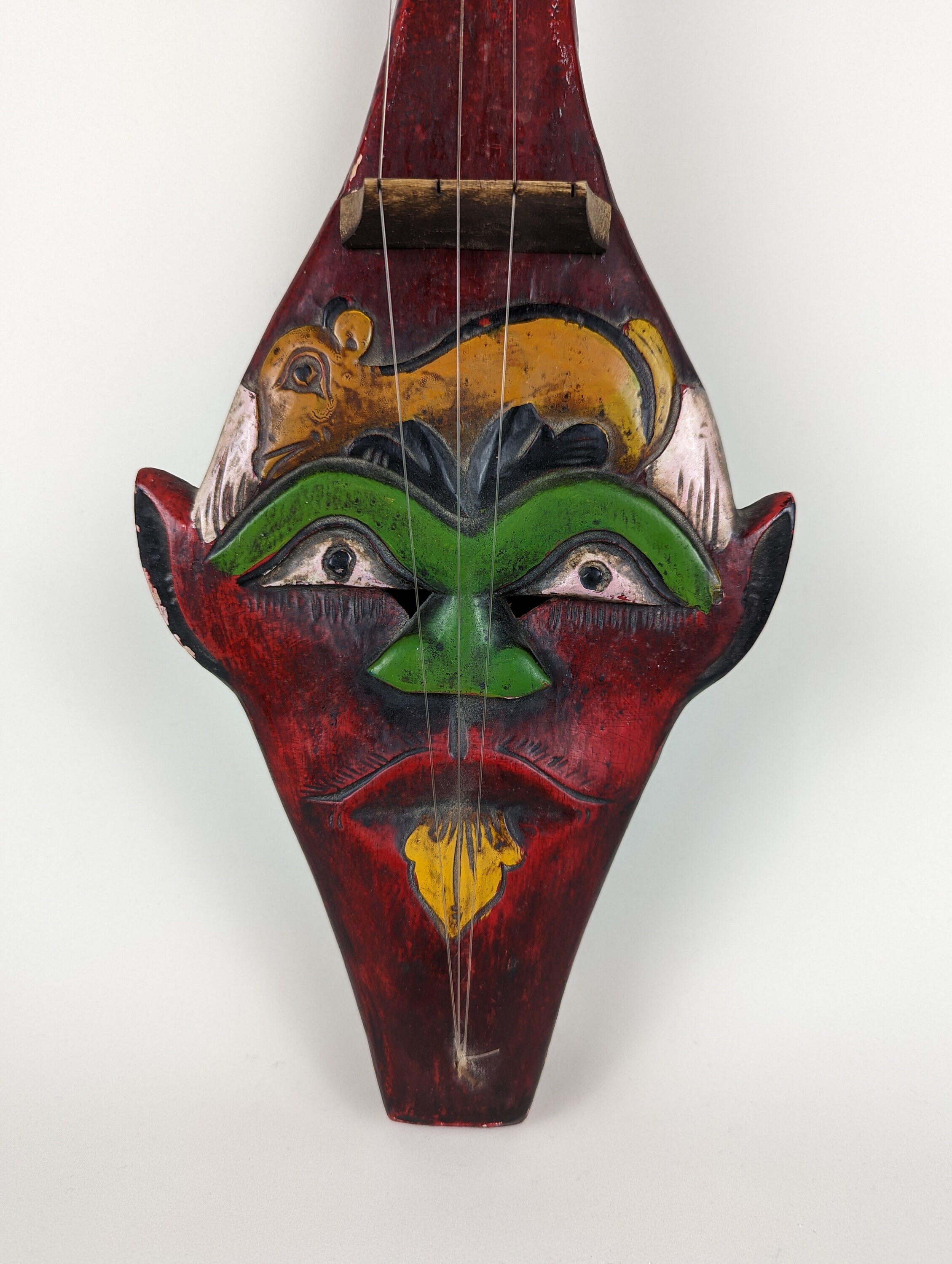
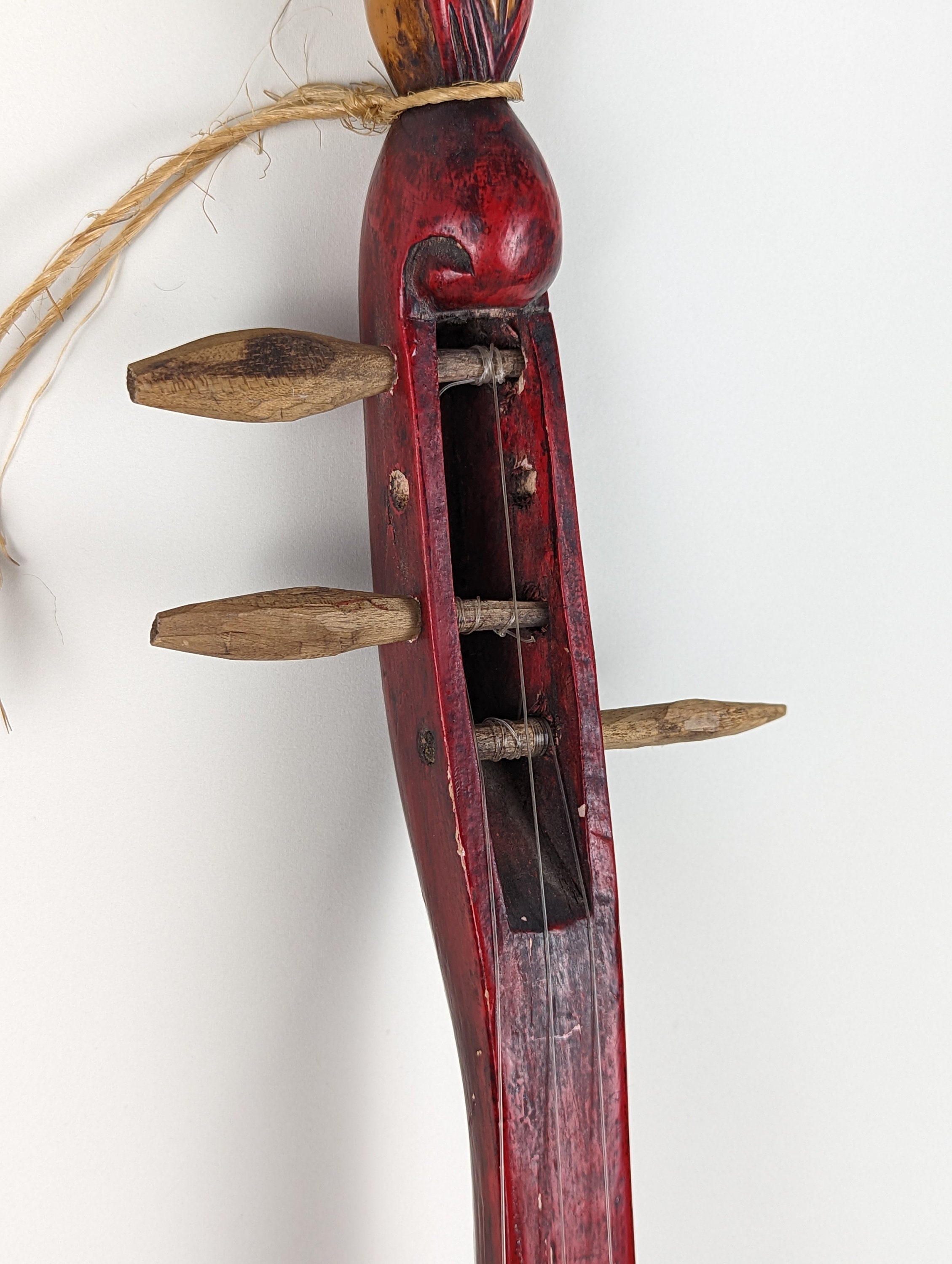
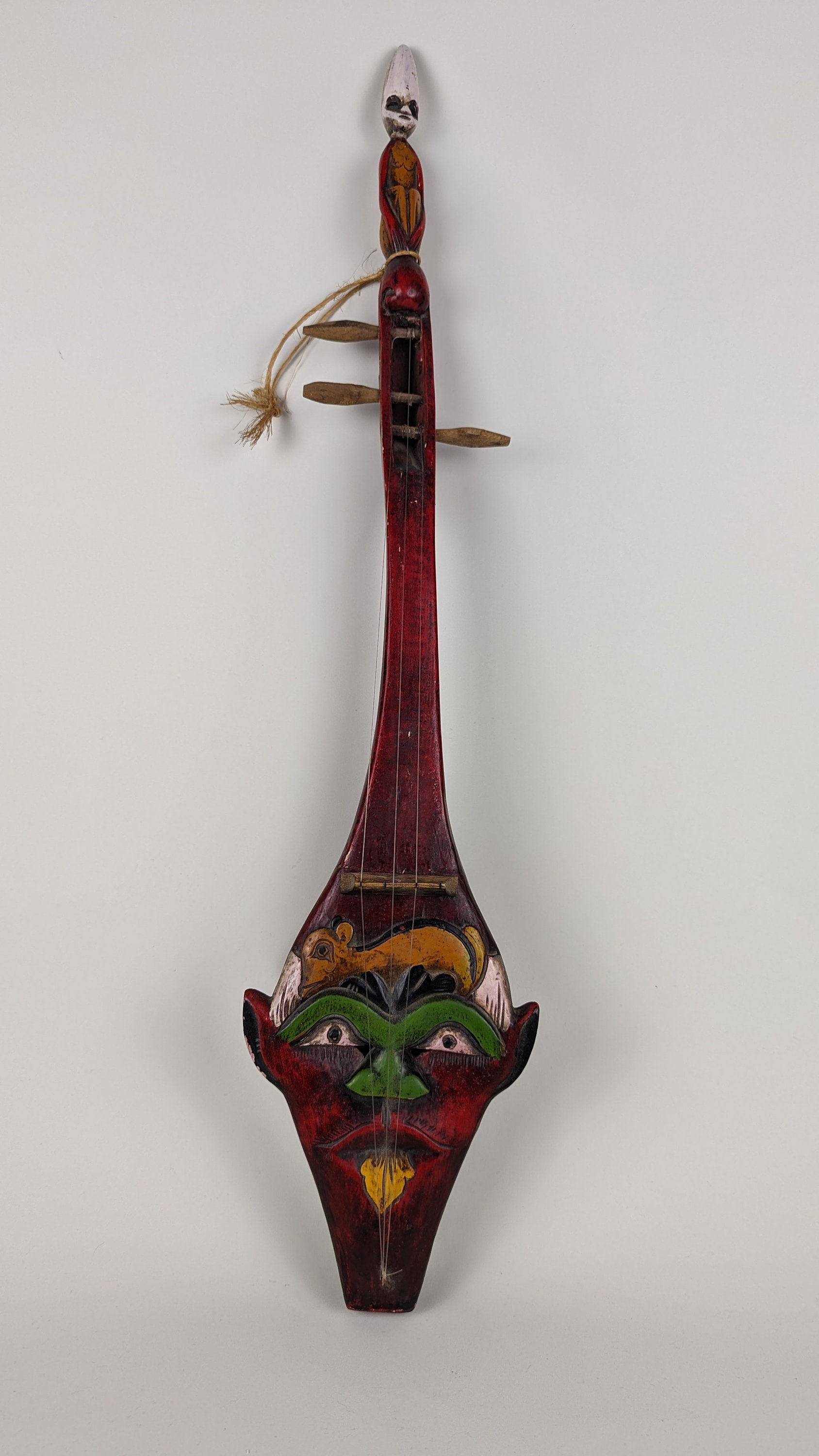
Stringed Melodies: The “hasapi” is a two-stringed lute that is perhaps one of the most iconic Batak string instruments. Its plucked melodies can be both delicate and lively, often accompanying vocal performances. The “olla” or “hasapi indung” is a larger, more resonant version, capable of providing a fuller harmonic support. The way these instruments are played often reflects the conversational nature of Batak music, with melodies weaving in and out of each other.
-
Wind Instruments: While less prevalent than strings and percussion, wind instruments also find their place. Examples include simple flutes and trumpets, often used for signaling or during specific ritualistic occasions.
Beyond the Notes: Music in Batak Life
Batak music is not confined to concert halls or recorded albums. Its presence is felt in the very fabric of daily life and significant cultural events.
-
Ceremonial Significance: From birth rituals and weddings to funerals and harvest festivals, music is an integral part of Batak ceremonies. The specific songs and instruments used are often dictated by the occasion, conveying specific emotions and intentions. For instance, music plays a crucial role in the elaborate rituals surrounding death and remembrance, reflecting the Batak emphasis on ancestral veneration.
-
Storytelling and Oral History: Many Batak songs serve as vehicles for oral history and storytelling. They recount epic legends, historical events, and moral lessons, ensuring that the wisdom of ancestors is passed down through generations. This makes Batak music a living archive of their cultural narrative.
-
Community Bonding: The act of making music together is a powerful force for community cohesion. Group singing and dancing, often accompanied by traditional instruments, foster a sense of unity and shared identity. This communal participation is a hallmark of Batak cultural expression.
Preserving the Melody: Modern Challenges and Opportunities
In the face of globalization and modernization, Batak musical heritage, like many indigenous art forms, faces challenges. However, there are also exciting opportunities for its preservation and evolution.
-
The Role of Education: For younger generations to connect with and appreciate their musical heritage, it’s vital to integrate it into educational curricula. Schools and cultural organizations can play a significant role in teaching traditional songs, instrumental techniques, and the cultural context of this music.
-
Contemporary Interpretations: While preserving the authenticity of traditional forms is important, modern Batak musicians are also finding innovative ways to reinterpret their heritage. This includes incorporating traditional Batak melodies and instruments into contemporary genres, creating fusion music that appeals to new audiences while honoring the past. This fusion can be seen in the way modern Indonesian music scenes are embracing diverse regional influences.
-
Leveraging Digital Platforms: The internet and digital media offer a powerful platform for sharing Batak musical heritage with a global audience. Online music archives, educational videos, and streaming services can make this rich tradition accessible to anyone with an internet connection. Think of how platforms like YouTube or dedicated music streaming services can host recordings and documentaries.
Your Invitation to Listen
The Symphony of the Ancestors is a call to explore, to listen, and to understand. Batak musical heritage is not a static relic of the past; it is a dynamic force that continues to shape the identity and spirit of the Batak people. By taking the time to discover its rhythms, melodies, and stories, you gain a deeper appreciation for the enduring power of cultural expression and the profound connection between music and the human soul.
Consider seeking out recordings of Batak music or, if you have the opportunity, experiencing a live performance. You might also find it enriching to explore other Indonesian musical traditions, such as the gamelan of Java or the music of Bali, to gain a broader perspective on the archipelago’s diverse soundscapes. This journey into Batak music is more than just an auditory experience; it’s an immersion into a living history.
Additional Information
It seems there might be a misunderstanding. The search results you provided are all related to Symfony, a popular PHP web development framework. They discuss its features, releases (like Symfony 7), packages, documentation, routing, and forms.
However, your request is about “The Symphony of the Ancestors: Discovering Batak Musical Heritage.” This refers to the rich and diverse musical traditions of the Batak people, an ethnic group indigenous to North Sumatra, Indonesia.
The information about the Symfony PHP framework is not relevant to the topic of Batak musical heritage.
Therefore, I cannot incorporate the provided search results into an article about Batak music. They are entirely different subjects.
To provide you with detailed information and analysis about “The Symphony of the Ancestors: Discovering Batak Musical Heritage,” I need to focus on the actual topic.
Please clarify if you still wish to proceed with information about Batak musical heritage. If so, I can provide you with detailed content on that subject. If you were intending to ask about the Symfony framework, please let me know, and I can provide information on that topic instead.