
Planning your dream vacation to the Island of the Gods? One of the first things you need to master before touching down in paradise is understanding the local money. If you are asking yourself, “what is IDR currency in Bali Indonesia,” you have come to the right place. Navigating a new currency can be intimidating, but we are here to break down everything you need to know about the Indonesian Rupiah (IDR) to ensure your 2026 trip is smooth, stress-free, and budget-friendly, especially when considering your Bali travel budget.
What is the Official Currency in Bali?
The official currency of Indonesia, and by extension Bali, is the Indonesian Rupiah, abbreviated as IDR. For many visitors, understanding what is IDR currency in Bali Indonesia is a key first step in planning their trip. While you might hear locals refer to it simply as “Rupiah,” you will see its Indonesian currency symbol, Rp, on price tags, menus, and invoices.
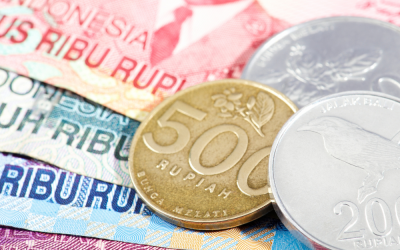
Because Indonesia is an archipelago consisting of thousands of islands, the Rupiah is the only legal tender accepted for all local transactions. Whether you are grabbing a quick coffee in Canggu, booking a surf lesson in Uluwatu, or paying for your luxury villa in Ubud, you will be transacting in IDR, which helps you understand the average costs in Bali for various activities. It is important to note that while some high-end resorts may display prices in USD for reference, you will ultimately be charged in Rupiah.
Understanding Rupiah Denominations and Banknotes
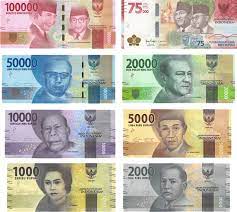
When you first arrive in Bali, the number of zeros on the banknotes might take you by surprise. Do not panic—it is simply a matter of scale! Getting familiar with these denominations is crucial for anyone asking what is IDR currency in Bali Indonesia. The currency is issued and strictly overseen by Bank Indonesia. In 2026, the most common banknotes you will encounter in circulation include:
Rp 2,000
Rp 5,000
Rp 10,000
Rp 20,000
Rp 50,000
Rp 100,000
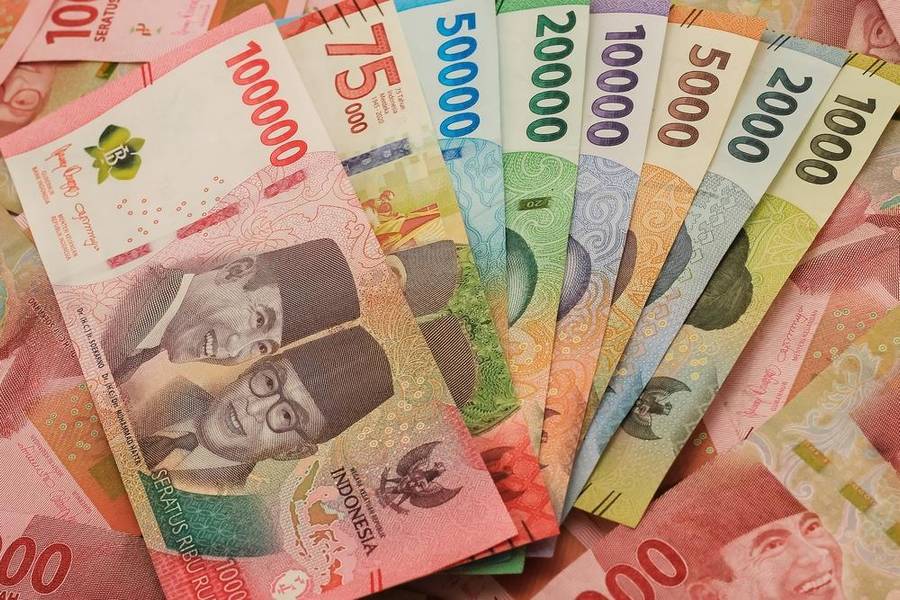
You will also encounter coins, though they are used less frequently for large transactions. A handy tip for travelers: always keep smaller denominations (like 10k and 20k notes) on hand. These are incredibly useful for paying for small snacks, tipping your drivers, or purchasing items at traditional local markets where vendors may not have enough change for large 100k notes.
Managing Your Money: Cash vs. Cards in 2026
One of the most frequent questions we receive is whether travelers should carry only cash, and what is the best way to pay in Bali. The answer has evolved significantly by 2026. Understanding how to manage what is IDR currency in Bali Indonesia, whether through cash or digital means, is essential. While Bali remains a cash-heavy society in many rural areas and local warungs (small family-owned eateries), the digital landscape has exploded.
Digital Payments and Credit Cards
In major tourist hubs like Seminyak, Kuta, and Nusa Dua, most restaurants, boutiques, and hotels accept major credit cards (Visa and Mastercard). Contactless payment and QR-code-based digital payment options Bali have also become the standard for many younger businesses and coffee shops.
The Importance of Carrying Cash
Despite the rise of digital convenience, cash is king when you head off the beaten path. If you are planning to rent a scooter, visit a remote waterfall, or shop at local handicraft markets, you will absolutely need Indonesian Rupiah in your wallet. This highlights the importance of always having physical notes of what is IDR currency in Bali Indonesia readily available as part of your travel money for Bali. We recommend splitting your funds: keep a portion on a travel-friendly debit card and withdraw cash at reputable ATMs as needed.
Practical Tips for Exchanging Money Safely
If you are bringing foreign currency to Bali, you will need to exchange it for IDR. These tips are vital for safely acquiring what is IDR currency in Bali Indonesia through foreign currency exchange Bali and ensuring you get the best value for your Rupiah conversion:
- Use Authorized Money Changers: Only exchange money at officially authorized kiosks or banks. Look for the “PVA Berizin” sign, which indicates the establishment is regulated by the central bank. Avoid “back-alley” exchange booths that offer rates that seem “too good to be true”—these are common traps for unsuspecting tourists.
- Withdraw from Bank ATMs: Using ATMs attached to reputable banks is usually the safest way to get cash. Ensure your bank card is enabled for international travel, and be mindful of the daily withdrawal limits.
- Check the Current Rate: The exchange rate fluctuates daily. Use a reliable app or search engine to check the current exchange rate Bali or specifically the USD to IDR exchange rate before you head to the exchange booth so you know exactly what to expect.
Avoiding Common Pitfalls
As a traveler, being prepared helps you avoid unnecessary stress. Understanding the nuances of what is IDR currency in Bali Indonesia helps avoid these pitfalls. First, always count your money before leaving the exchange counter. Second, keep your larger banknotes stored securely in a hotel safe or a hidden money belt. Finally, be aware that while some vendors might suggest taking USD, it is almost always more expensive for you due to unfavorable conversion rates applied by the merchant. Sticking to Indonesian Rupiah is the most cost-effective way to manage your Bali travel budget.
Conclusion
Understanding what is IDR currency in Bali Indonesia is the first step toward a seamless travel experience. By familiarizing yourself with the banknotes, knowing where to use your cards versus cash, and sticking to authorized exchange channels, you can spend less time worrying about finances and more time enjoying the stunning sunsets, vibrant culture, and incredible hospitality that Bali has to offer. Pack your bags, keep your IDR handy, and get ready for an unforgettable 2026 adventure!