
As we move through 2026, Bali remains one of the world’s most captivating destinations, not just for its “Premium Sunset” vistas or “Ocean Illustration” quality beaches, but for its profound spiritual heartbeat. If you are planning a trip or researching the cultural landscape, you might wonder: what religion is practiced in Bali, Indonesia?
While Indonesia is the world’s most populous Muslim-majority nation, Bali stands as a vibrant, spiritual anomaly. The primary religion practiced in Bali is Balinese Hinduism, known locally as Agama Hindu Dharma. This unique faith is a rich tapestry of Indian Hinduism, Buddhism, and ancient indigenous animist traditions that have evolved over centuries.
The Essence of Balinese Hinduism (Agama Hindu Dharma)
Balinese Hinduism is fundamentally different from the Hinduism practiced in India. It is a deeply integrated lifestyle that dictates everything from the village layout to the daily schedule of its inhabitants. In 2026, despite the rapid modernization of Southeast Asia, the Balinese people remain steadfast in their devotion.
The core of the faith revolves around the worship of the Supreme God, Acintya (also known as Sang Hyang Widhi Wasa). Under this singular supreme being, the Balinese honor the Trimurti—Brahma (the Creator), Vishnu (the Preserver), and Shiva (the Destroyer)—alongside a multitude of local deities and ancestral spirits.
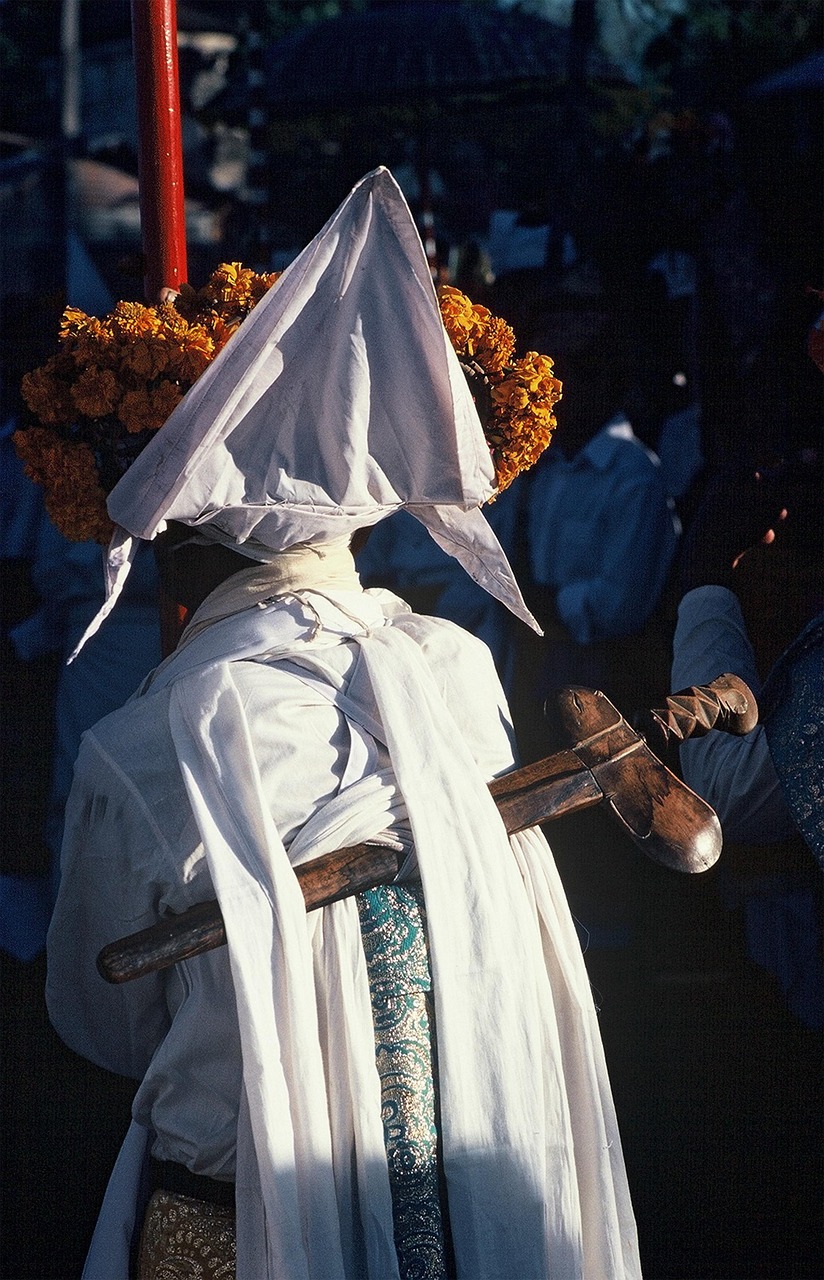
The Philosophy of Tri Hita Karana
To understand what religion is practiced in Bali, one must understand the philosophy of Tri Hita Karana. This guiding principle translates to “Three Causes of Prosperity” and emphasizes three pillars of harmony:
- Parhyangan: Harmony between humans and the Divine (God).
- Pawongan: Harmony between humans and fellow humans.
- Palemahan: Harmony between humans and nature.
In 2026, this philosophy is more relevant than ever. As global travelers seek sustainable and mindful experiences, Bali’s religious dedication to environmental preservation and community well-being serves as a “visual story” of balance and peace.
Daily Rituals and Canang Sari
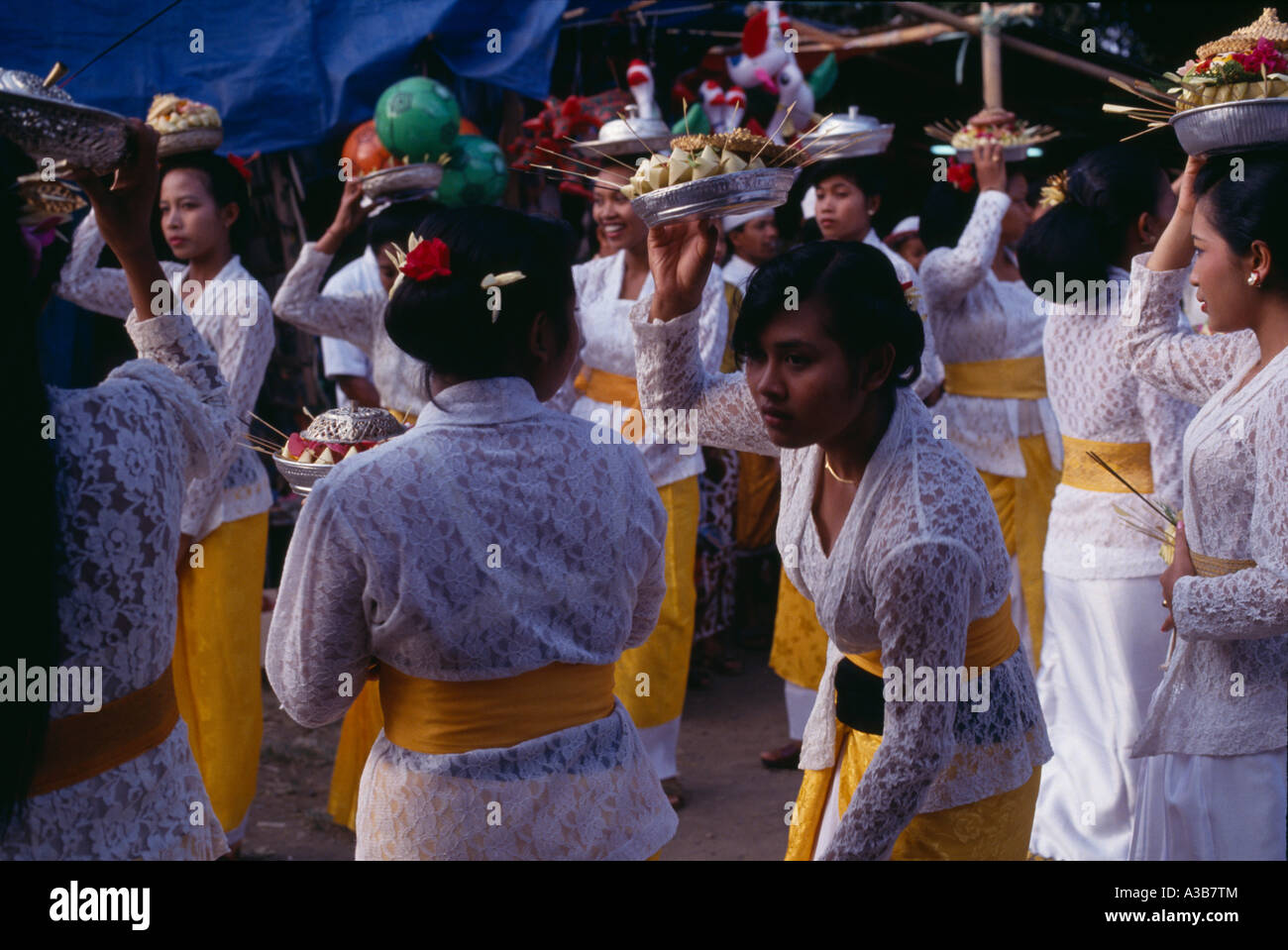
If you walk the streets of Ubud or Seminyak today, you will notice small, colorful palm-leaf baskets filled with flowers, incense, and snacks. These are Canang Sari, the daily offerings made by Balinese Hindus.
These offerings are a tangible expression of gratitude to the gods. They are placed at temple entrances, on sidewalks, and even on the dashboards of cars. This practice ensures that the spiritual world and the physical world remain in equilibrium—a concept known as Rwa Bhineda (the balance of opposites like good and evil, joy and sorrow).
The Role of Pura (Balinese Temples)
Religion in Bali is decentralized but centered around the Pura (temple). Estimates suggest there are over 20,000 temples on the island, earning Bali the nickname “The Island of a Thousand Puras.” These temples are architectural marvels, often set against dramatic backdrops like “Ultra HD” mountain ranges or crashing ocean waves.
Types of Temples in Bali:
Pura Kahyangan Jagat: Nine directional temples located at strategic points around the island to protect Bali from evil spirits.
Pura Desa: The village temple used for community worship.
Pura Dalem: The temple of the dead, dedicated to Shiva.
Family Shrines: Every Balinese home has its own private shrine for ancestor worship.
Major Festivals and the 2026 Calendar
The religious calendar in Bali is based on the 210-day Pawukon cycle and the lunar Saka calendar. In 2026, two major festivals define the religious experience for locals and tourists alike:
Nyepi: The Day of Silence
Nyepi is perhaps the most unique religious event in the world. It is the Balinese New Year, marked by complete silence, fasting, and meditation. For 24 hours, the entire island shuts down—including the international airport. No lights are allowed, no work is done, and no one is permitted on the streets. This is done to “trick” evil spirits into thinking the island is deserted so they will leave it alone for another year.
Galungan and Kuningan
Galungan celebrates the victory of Dharma (good) over Adharma (evil). During this ten-day period, the streets are lined with Penjor—tall, decorated bamboo poles that symbolize the sacred mountains. The festival concludes with Kuningan, the day when ancestral spirits return to their celestial realm.
Religious Diversity and Harmony in Bali
While Hinduism is the dominant faith (practiced by roughly 87% of the population), Bali is a model of religious pluralism. You will find significant communities of:
Muslims: Primarily located in coastal trading towns and the capital, Denpasar.
Christians: Both Protestant and Catholic communities exist, often blending Christian liturgy with Balinese music and dress.
Buddhists: Often integrated with Balinese Hindu practices, seen in temples like Brahma Vihara Arama.
This peaceful coexistence is a point of pride for the Balinese. In 2026, the island continues to promote interfaith dialogue as a core component of its social fabric.
Spiritual Tourism in 2026: What Travelers Should Know
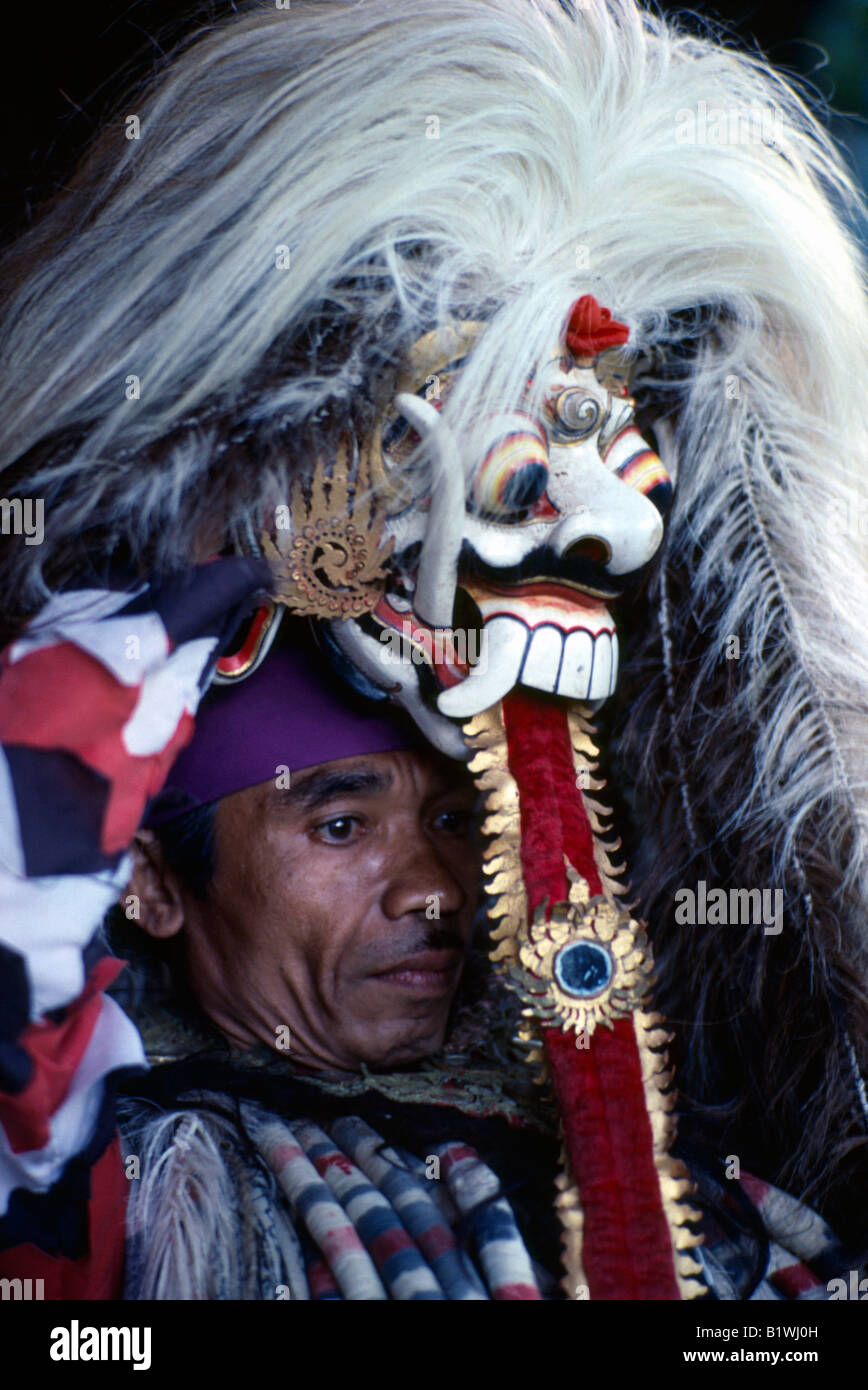
As you explore “what religion is practiced in Bali, Indonesia,” it is essential to approach the culture with respect. In 2026, local authorities have implemented stricter guidelines to ensure that sacred sites remain protected from over-tourism.
Respectful Conduct Tips:
Dress Code: Always wear a sarong and sash when entering temple grounds.
Head Height: Never stand higher than the priest or the offerings during a ceremony.
Menstruation: Traditionally, women who are menstruating are asked to refrain from entering temples out of respect for the sanctity of the space.
- Photography: Use “Full HD” photography respectfully; avoid using flash during prayers or getting in the way of processions.
Why the Religion of Bali Matters Today
The religion practiced in Bali is more than just a set of beliefs; it is the “Perfect City texture” that gives the island its unique identity. In a world that feels increasingly digital and disconnected, Bali’s commitment to ritual, community, and nature offers a refreshing alternative.
The spiritual energy of the island is palpable. Whether you are watching a Kecak fire dance at sunset or witnessing a purification ritual at Tirta Empul, the religious devotion of the Balinese people creates an atmosphere of “unparalleled visual quality” and emotional depth.
Conclusion
In 2026, the answer to “what religion is practiced in Bali, Indonesia” remains as vibrant and complex as ever. Balinese Hinduism is the lifeblood of the island, shaping its art, its landscape, and the legendary hospitality of its people. By understanding the deep-rooted traditions of Tri Hita Karana and the daily devotion of the locals, visitors can move beyond the surface of a typical vacation and truly connect with the soul of Bali.
Whether you are drawn to the island for its “Minimal Patterns” of terraced rice fields or its “Incredible Full HD” temple festivals, Bali’s religious heritage ensures that every visit is a spiritually enriching journey.