
Bali remains one of the most enchanting destinations on the planet, but even paradise has its off-seasons. Planning a dream getaway requires more than just picking a hotel; it requires understanding the island’s seasonal rhythms. If you want to avoid torrential downpours, crushing tourist crowds, and inflated prices, timing is everything. Understanding when to avoid traveling to Bali is key to a perfect trip.
In this guide, we break down exactly when to avoid traveling to Bali in 2026 to ensure your tropical escape is everything you imagined.
The Rainy Season: Why January to March Can Be Challenging
For many travelers, the biggest factor in choosing when to visit is the weather. Understanding when to avoid traveling to Bali due to weather is crucial. The worst time to travel to Bali is undoubtedly during the peak of the rainy season, which spans from January through March.
During these months, the island experiences significant precipitation, often exceeding 300mm of rainfall. You can expect an average of 22 rainy days per month, which significantly impacts outdoor activities like surfing, hiking, and temple hopping.
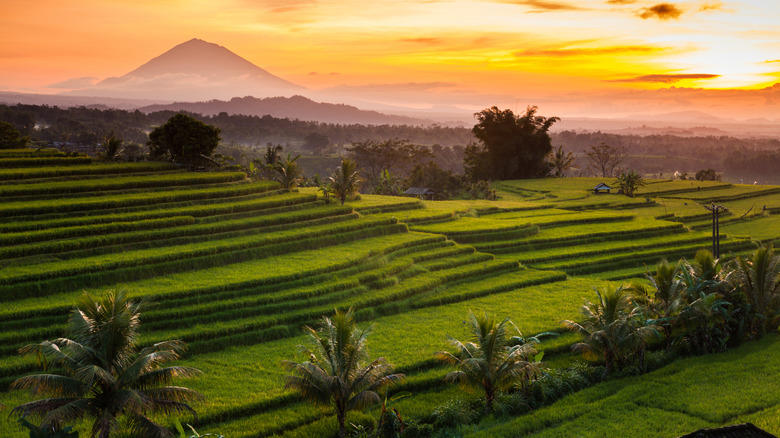
Humidity and Infrastructure Strains
Beyond just the rain, the humidity levels during the monsoon season can be stifling. High moisture levels often lead to issues with mold in older accommodations and can make sightseeing uncomfortable. Additionally, heavy rains can sometimes cause localized flooding or debris on the roads, potentially disrupting your travel plans between popular hubs like Ubud and Uluwatu. These challenges further illustrate when to avoid traveling to Bali for a smooth experience.
Navigating the Peak Crowds: High Season Pitfalls
While weather is a major consideration, crowds are another dealbreaker for many. For those who prefer tranquility, understanding when to avoid traveling to Bali due to crowds is as important as weather. The peak tourist season in Bali usually aligns with school holidays and international summer breaks—specifically July, August, and the festive period around late December.
If you dislike fighting for space at beaches, waiting in long queues for famous cafes, or dealing with heavy traffic in Canggu and Seminyak, these months should be avoided.
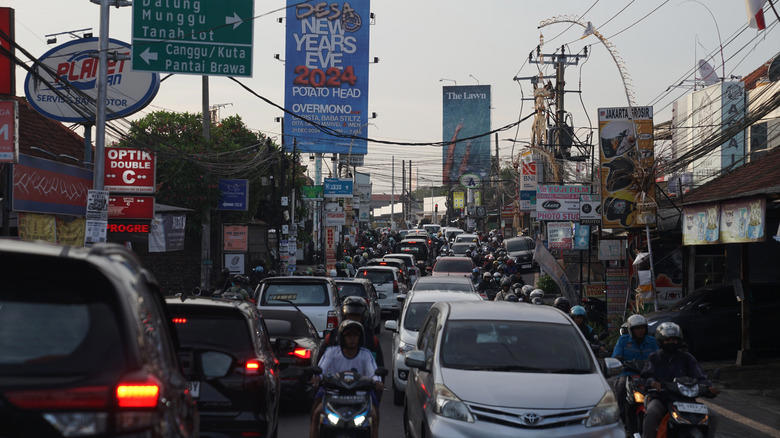
Why High Season Costs More
When you choose to visit during peak times, you aren’t just paying for the weather; you’re paying a premium. In 2026, demand-based pricing for villas and luxury resorts is at its highest during July and August. You can expect to pay 30% to 50% more for accommodation compared to the shoulder season. If you are traveling on a budget, these months will definitely stretch your finances further than necessary. Budget-conscious travelers should pay close attention to when to avoid traveling to Bali to save money.
<img alt="How Much Does a Trip to Bali Cost? 2026 Budget Guide" src="https://balinirvana.com/wp-content/uploads/2024/12/imgkecak-dance01.jpg” style=”max-width:100%; height:auto; border-radius:8px; margin: 1rem 0;” />
Understanding the “Monsoon Risk” (November to April)
While the heart of the rainy season is early in the year, the broader monsoon window extends from November through April. During this period, the island is significantly wetter than the rest of the year. This extended period is another crucial consideration for when to avoid traveling to Bali.
November and December: The start of the wet season, often characterized by short, sharp tropical downpours.
January and February: The absolute peak of the monsoon, with the highest probability of all-day rain.
- March and April: A transitional period where the weather begins to stabilize, though humidity remains high.
Travelers should be aware that during these months, ocean currents can be stronger, and beaches may experience an influx of debris washed up by the monsoon winds. If your primary goal is pristine beach lounging, this is the worst time to book your flight.
Health and Safety Considerations
When considering when to avoid traveling to Bali, it is important to factor in health risks. During the rainy season, stagnant water can lead to an increase in mosquito populations, which brings a higher risk of dengue fever. Always pack high-quality repellent and consider consulting a travel clinic before your 2026 trip.
Furthermore, if you are planning on renting a scooter, the rainy season makes roads slick and hazardous. If you aren’t an experienced rider, the combination of monsoon rain and Bali’s chaotic traffic is a recipe for an accident. Safety concerns like these are vital factors in determining when to avoid traveling to Bali.
Final Verdict: When Should You Go Instead?
If you want to avoid the worst of the weather and the crushing crowds, the best times to visit are the shoulder months. May, June, and September offer the perfect balance of sunny skies, lower humidity, and manageable tourist numbers. You will find better deals on luxury villas and won’t have to battle the traffic congestion that plagues the island during the peak of August.
Ultimately, “avoiding” Bali isn’t about skipping the destination—it’s about choosing the time that aligns with your travel style. Making an informed decision about when to avoid traveling to Bali ensures a more enjoyable and tailored experience. By steering clear of the peak monsoon months of January to March, you can ensure your 2026 vacation is spent in the sunshine, not inside your hotel room waiting for the rain to stop.