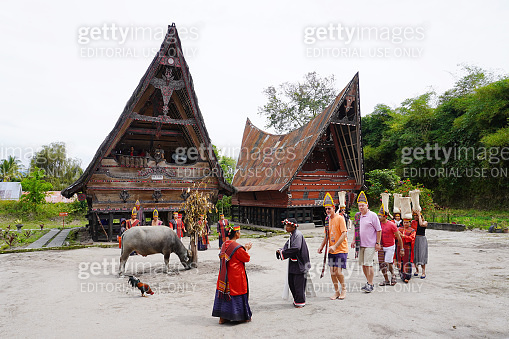
The rhythm of drums, the vibrant hues of traditional attire, the communal spirit that permeates every interaction – these are the hallmarks of an authentic cultural immersion. For travelers seeking to delve deep into the soul of Indonesian heritage, the Batak people of North Sumatra offer a profound gateway. Their rich history is beautifully preserved and celebrated through a series of traditional festivals, each a living testament to their ancestral wisdom and vibrant community life.
Embarking on a journey to experience these Batak festivals isn’t just about witnessing events; it’s about participating in a living tapestry of culture, connecting with traditions passed down through generations, and discovering a unique way of life. Prepare to be captivated as we unveil four essential Batak festivals that promise an unparalleled experience of authenticity.
Unveiling the Heartbeat: Four Traditional Batak Festivals to Experience
The Batak culture, primarily residing around the majestic Lake Toba, is characterized by its strong clan system (marga), intricate social structures, and deeply spiritual beliefs. Their festivals are not mere spectacles but are integral to their social fabric, marking important life events, agricultural cycles, and ancestral reverence. Let’s explore some of the most captivating.
1. The Glorious Pesta Bolon: A Celebration of Clan and Community
Pesta Bolon, often translated as a “grand feast” or “big festival,” is perhaps the most significant of all Batak celebrations. This event is typically held to commemorate important milestones within a clan, such as the inauguration of a new datu (traditional healer/priest), the completion of a large communal house (rumah adat), or a significant historical event.
- What to Expect: Pesta Bolon is a multi-day affair characterized by elaborate ceremonies, traditional feasts, and the iconic Tor-Tor dance. This rhythmic, communal dance, accompanied by the haunting melodies of Gondang music (traditional Batak orchestra), is a powerful expression of Batak identity and unity. You’ll witness the Batak people adorned in their finest traditional clothing, the air filled with joyous greetings and the aroma of delectable Batak cuisine, like Saksang (a savory dish made with meat, blood, and spices) and Babi Panggang Karo (roasted pork).
- Authentic Connection: This is your chance to witness the strong kinship ties that define Batak society. Observing the rituals and participatory dances offers a direct insight into their ancestral rituals and the deep respect they hold for their lineage.
- SEO Boost: Consider linking to a blog post detailing the specifics of Batak clan structures or the history of Tor-Tor dance for further reader engagement.
2. The Sacred Mangokal Holi: Honoring Ancestors and Renewal
Mangokal Holi is a deeply spiritual ceremony that focuses on honoring ancestors and seeking blessings for the community. It’s a ritual of purification and renewal, ensuring the continuation of good fortune and well-being for the living.
- What to Expect: The ceremony often involves offerings, prayers, and specific rituals performed by community elders or a datu. The atmosphere is one of solemnity and reverence, punctuated by moments of communal chanting and shared prayers. While less public than Pesta Bolon, witnessing the preparations and the devout participation of the Batak people in this sacred rite offers a profound understanding of their spiritual beliefs.
- Authentic Connection: This festival provides a window into the Batak people’s strong connection to their ancestral spirits and their belief in the continuity between the spiritual and physical realms.
- SEO Boost: This section is ideal for internal linking to content about Batak traditional beliefs or the role of the datu in Batak society.
3. The Vibrant Lake Toba Festival: A Modern Showcase of Tradition
While not exclusively a traditional ceremony, the Lake Toba Festival has become a significant annual event that beautifully blends traditional Batak culture with contemporary celebrations. Usually held around August, it’s a fantastic opportunity for visitors to experience a diverse array of Batak arts and traditions in a dynamic setting.
- What to Expect: The festival typically features a lively mix of traditional Batak music and dance performances, exhibitions of unique Batak handicrafts, culinary showcases, and often includes sporting events and contemporary music acts. It attracts a diverse crowd, from local families to international tourists eager for a taste of authentic Indonesian culture. You’ll have the chance to sample various traditional Batak dishes, learn about local crafts, and enjoy the festive atmosphere along the shores of the breathtaking Lake Toba.
- Authentic Connection: This festival offers a more accessible entry point into Batak culture, allowing you to experience its vibrancy and adaptability. It’s a chance to see how tradition is preserved and celebrated in a modern context, making it a highly engaging experience.
- SEO Boost: Integrate keywords like “Lake Toba tourism,” “North Sumatra culture,” and “Indonesian festivals” here. A link to a guide on experiencing Lake Toba would be beneficial.
4. The Symbolic Sigale-Gale Performances: A Dance of Remembrance
Sigale-Gale are large, intricately carved wooden effigies that represent deceased ancestors. While not a festival in the same vein as Pesta Bolon, the performance and display of Sigale-Gale are often part of significant cultural events and offer a poignant glimpse into Batak customs surrounding death and remembrance.
- What to Expect: During performances, the Sigale-Gale figures are animated through puppetry, often dancing to traditional music. These performances are not just entertainment; they are symbolic rituals meant to bring peace to the departed soul and to ensure their continued blessings for the family. The craftsmanship of the effigies themselves is remarkable, reflecting the artistry and spiritual significance attributed to them.
- Authentic Connection: Witnessing a Sigale-Gale performance provides a unique insight into the Batak perspective on life, death, and the enduring connection with their ancestors. It’s a moving and visually striking cultural practice.
- SEO Boost: This section could benefit from a link to content discussing Batak art or their beliefs about the afterlife.
Your Gateway to Authenticity: Practical Tips for Experiencing Batak Festivals
- Timing is Key: Research the dates for these festivals, as many are tied to specific seasons or community events. The Lake Toba Festival is a predictable August event, but others may vary.
- Respectful Engagement: Always approach these celebrations with respect. Dress modestly, especially when visiting sacred sites or during ceremonies. Ask permission before taking photos of people.
- Embrace the Community: The Batak people are known for their hospitality. Be open to interactions, try the local food, and if invited, participate respectfully in dances or activities.
- Learn a Few Phrases: Knowing simple greetings in Bahasa Indonesia or even a few Batak words can significantly enhance your interactions and show your appreciation for the culture.
- Consider a Local Guide: Engaging a local guide can provide invaluable insights, cultural context, and help you navigate the intricacies of the festivals.
The Enduring Spirit of the Batak
Experiencing these traditional Batak festivals is more than just a tourist activity; it’s an opportunity to witness a living culture, connect with ancient traditions, and gain a deeper appreciation for the human spirit’s capacity for community, remembrance, and celebration. Each festival offers a unique facet of the Batak identity, inviting you to step beyond the ordinary and into a world of profound authenticity. So, pack your bags with curiosity and an open heart, and let the vibrant rhythms of the Batak festivals guide you on an unforgettable journey.

Additional Information
Your Gateway to Authenticity: Experiencing Four Traditional Batak Festivals
North Sumatra, Indonesia, is a land steeped in rich cultural heritage, and at its heart lies the Batak people, renowned for their vibrant traditions, intricate social structures, and captivating festivals. For travelers seeking an authentic immersion into the soul of Indonesian culture, experiencing these time-honored celebrations offers a profound glimpse into the Batak worldview. Beyond mere observation, these festivals are invitations to participate, to connect with ancestral rituals, and to understand the deep-seated values that have shaped this remarkable community for generations.
This guide delves into four significant Batak festivals, offering a detailed look at what makes them unique and why they are essential for anyone interested in anthropology or simply curious about authentic customs. By engaging with these spellbinding cultural practices firsthand, visitors can develop a deep appreciation for the Batak people’s heritage and values, transforming a trip into a truly enriching experience.
1. The Majestic Mangokal Holi: Honoring Ancestors and Strengthening Lineage
What it is: Mangokal Holi is a paramount Batak ceremony, deeply rooted in animistic beliefs and ancestor veneration. It is a significant ritual that marks the process of moving the remains of ancestors from temporary graves to more permanent and honored resting places. This is not merely an act of relocation; it is a complex and sacred undertaking that involves appeasing the spirits, seeking their blessings, and ensuring the continued prosperity and well-being of the living lineage.
Why it’s captivating: The solemnity and spiritual depth of Mangokal Holi are truly awe-inspiring. It’s a profound demonstration of the Batak people’s respect for their ancestors, a tangible link to their past that reinforces their identity and strengthens familial bonds. The rituals often involve specific chants, offerings, and the symbolic transformation of ancestral remains, all performed with meticulous care and spiritual intention. This ceremony allows visitors to understand the core of Batak social structure, which is heavily influenced by ancestral ties and the concept of dalihan na tolu (the three-legged cooking pot, symbolizing the three main social groups within Batak society).
What to expect: While the exact proceedings can vary among different Batak sub-groups, expect a deeply communal event. There will be communal feasting, the recitation of genealogies (tarombo), and possibly the elaborate creation of traditional Batak houses (rumah bolon) as part of the celebration and honoring of the ancestors. The atmosphere is one of reverence and community, a powerful reminder of the enduring connection between the living and the departed.
2. The Vibrant Lake Toba Festival: A Celebration of Culture, Nature, and Modernity
What it is: Held annually, often in August, the Lake Toba Festival is a modern yet deeply traditional celebration that showcases the best of Batak culture against the breathtaking backdrop of the world’s largest volcanic lake. It’s a multifaceted event that blends the old with the new, drawing both local families and international tourists.
Why it’s captivating: This festival is a dynamic showcase of Batak artistry and heritage. It offers a delightful mix of traditional Batak music and dance performances, including the iconic Tor-Tor dance, which is characterized by its rhythmic movements and often accompanied by the evocative sounds of Gondang music, a percussion ensemble that forms the soul of Batak musical expression. Visitors can witness various aspects of Batak culture, from delicious traditional foods to unique handicrafts. The festival serves as a powerful platform for preserving and promoting Batak traditions while also embracing contemporary influences, making it accessible and engaging for a diverse audience.
What to expect: Prepare for a lively atmosphere filled with music, dance, and cultural demonstrations. You’ll have the opportunity to taste authentic Batak dishes like saksang (a savory dish often made with pork and blood) or Batak fried rice, which will surely delight your taste buds. Expect to see local artisans showcasing their crafts, and perhaps even witness traditional games and sporting events. It’s a fantastic opportunity to experience the charm and wonders of the Batak culture that adorns this beautiful region.
3. The Enigmatic Sigale-Gale Puppet Dances: Tales from the Ancestral Realm
What it is: The Sigale-Gale dance is a unique and somewhat mysterious cultural practice involving large, intricately carved wooden puppets that are manipulated to perform traditional dances. These are not mere entertainment; Sigale-Gale are often associated with ancestral spirits and are brought to life during significant ceremonies, particularly those related to the deceased who have no living male heirs.
Why it’s captivating: The sheer artistry and the spiritual undertones of the Sigale-Gale dances are captivating. The life-sized puppets, adorned in traditional attire, are moved with a grace and fluidity that belies their material. The performances are often accompanied by Gondang music, creating an immersive and sometimes haunting experience. These dances offer a glimpse into a specific aspect of Batak societal customs and their beliefs surrounding lineage and the spirit world. The narrative often embedded within these performances can speak of ancient myths, historical events, or the lives of the ancestors themselves, providing a unique storytelling experience.
What to expect: While you might see Sigale-Gale performances as part of larger festivals or even at dedicated cultural centers, witnessing them in their original ceremonial context offers a deeper understanding. The performances are characterized by the controlled movements of the puppets, often in sync with the rhythm of the music. It’s a chance to see a rare and highly specialized form of Batak performing art.
4. The Community-Focused Pesta Ulaon: Celebrating Life and Social Harmony
What it is: Pesta Ulaon translates to “feast” or “celebration” and encompasses a wide range of communal gatherings and ceremonies that are integral to Batak social life. These events can mark significant milestones such as weddings, circumcisions, housewarmings, or simply gatherings to strengthen community bonds. While not always a single, annual event like the Lake Toba Festival, these feasts are a recurring and vital part of Batak cultural expression.
Why it’s captivating: Pesta Ulaon embodies the communal spirit and the importance of social harmony within Batak culture. These events are characterized by meticulous planning, the pooling of resources, and the active participation of the entire community. They are a vibrant display of Batak hospitality, culinary traditions, and their deep-seated sense of kinship and mutual support. Experiencing a Pesta Ulaon offers a genuine opportunity to interact with local families, understand their social dynamics, and appreciate the warmth and generosity that defines Batak hospitality.
What to expect: Expect a joyous and bustling atmosphere. These feasts are renowned for their abundant and delicious traditional cuisine, served communally. There will likely be Tor-Tor dances and Gondang music to enliven the proceedings. Speeches and toasts are often exchanged, reinforcing social bonds and expressing good wishes. It’s a chance to witness the Batak people at their most welcoming and to feel the pulse of everyday community life.
Embark on Your Authentic Journey
These four traditional Batak festivals represent just a fraction of the cultural richness found in North Sumatra. They are more than just spectacles; they are living traditions that offer a profound and authentic travel experience. By immersing yourself in these customs, you not only witness but also understand the soul of the Batak people, their enduring connection to their ancestors, and the vibrant tapestry of their cultural heritage. This journey promises to be an enriching exploration, satisfying your taste buds with authentic Batak dishes and, more importantly, deepening your understanding of the vibrant culture that thrives in these unique corners of Indonesia.