
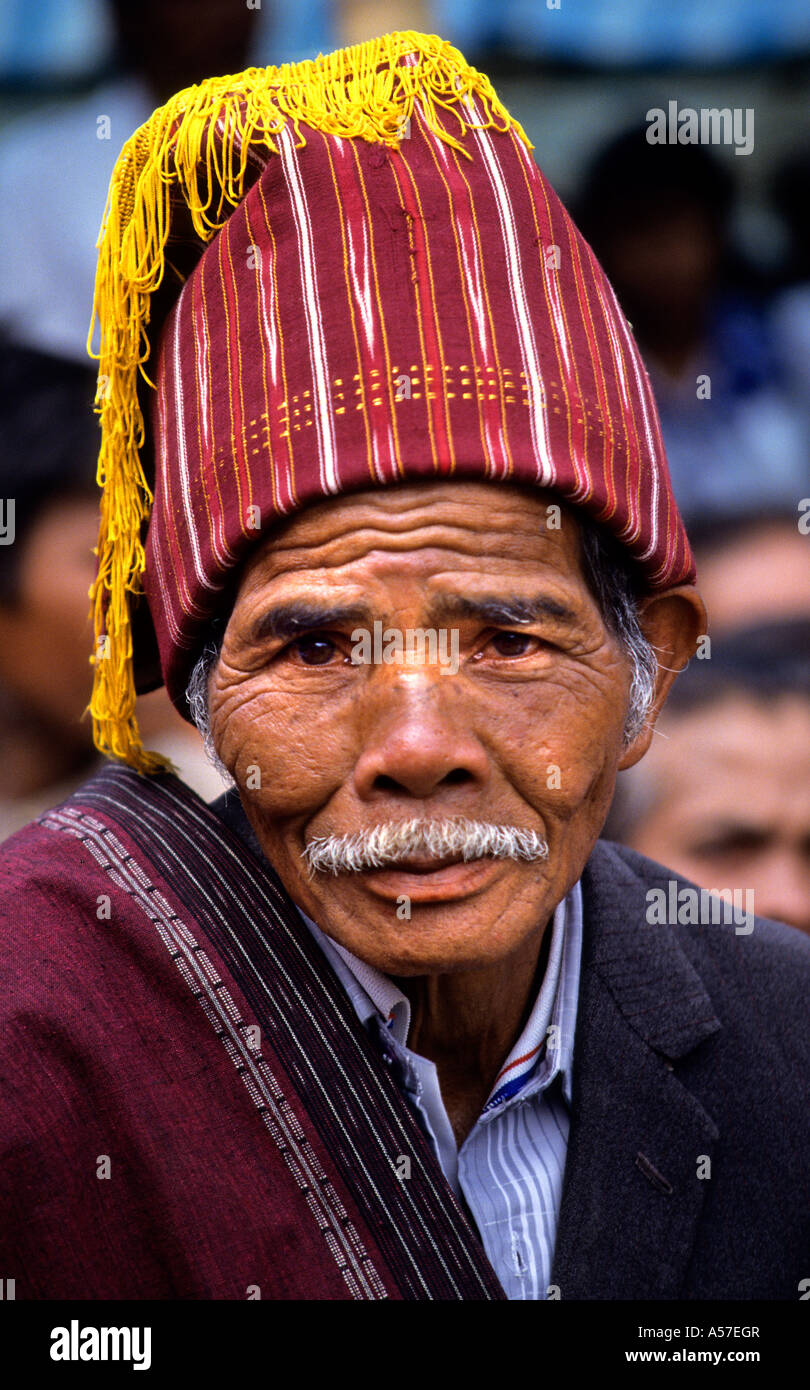
Unlocking the Sacred: Your Ultimate Guide to Batak Ancestral Worship
Step into the vibrant cultural tapestry of North Sumatra, Indonesia, and discover a world where the past breathes life into the present. The Batak people, a collection of closely related ethnic groups like the Toba, Karo, Simalungun, Pakpak, Angkola, and Mandailing, possess a spiritual heritage deeply rooted in the veneration of their ancestors. More than just tradition, Batak ancestral worship is a dynamic force that shapes their worldview, family structures, and daily lives. Ready to delve into this fascinating spiritual realm? Let’s embark on a journey to understand the profound significance of Batak ancestral worship.
The Cornerstone of Batak Identity: Why Ancestors Matter
At the heart of Batak spiritual beliefs lies the profound conviction that ancestors remain an integral part of the living community. They are not merely historical figures but powerful entities who continue to influence the well-being of their descendants. This deep-seated respect is a defining characteristic of Batak culture, fostering an unbroken lineage of connection that transcends mortality.
- The Unseen Guardians: Batak ancestors are believed to act as protectors and intercessors, watching over their families. They are seen as a bridge between the human realm and the divine.
- Maintaining Harmony: Ancestral rituals are crucial for maintaining balance within the family and the wider community. Disrespect or neglect of ancestors can lead to misfortune.
- Cultural Continuity: Ancestral worship serves as a vital conduit for passing down cultural values, stories, and traditions from one generation to the next, ensuring the rich heritage of the Batak people endures.
Pillars of Belief: Key Concepts in Batak Ancestral Worship
Understanding Batak ancestral worship requires grasping a few fundamental concepts that underpin their spiritual framework. These principles illuminate the intricate relationship between the living and the departed.
1. Adat: The Guiding Force
Adat is the cornerstone of Batak society, encompassing customary law, traditions, and social norms. Ancestral worship is inextricably linked to adat, with rituals and practices meticulously prescribed to honor and appease the ancestors according to ancestral customs. Adhering to adat is a primary way to demonstrate respect for the lineage.
2. Puang: The Revered Ancestors
The term Puang refers to the revered ancestors, particularly those who have passed on and are now in the spiritual realm. They are not forgotten but are actively remembered and invoked during ceremonies. The quality of one’s life and adherence to adat are believed to influence their standing as a Puang.
3. Ugamo Malim: A Unique Spiritual Path
While many Batak people have embraced Christianity or Islam, a significant indigenous faith known as Ugamo Malim (or Parmalim) continues to thrive. This faith places a strong emphasis on ancestral veneration, often incorporating pre-Christian beliefs and practices. Exploring Ugamo Malim offers a direct window into the purest forms of Batak ancestral worship. [Consider an internal link here to a more detailed article on Ugamo Malim].
The Ritual Landscape: Honoring the Ancestors in Practice
The connection with ancestors is not just theoretical; it is actively nurtured through a variety of rituals and ceremonies that punctuate Batak life. These practices are designed to communicate, seek blessings, and offer gratitude.
1. The Role of the Gondang
Gondang, traditional Batak musical ensembles, plays a pivotal role in ancestral ceremonies. The rhythmic sounds of the gondang are believed to create a spiritual bridge, allowing communication with the ancestors. The specific melodies and rhythms are often tailored to different purposes, whether it’s to invite ancestral presence or to seek their guidance. [Consider an internal link here to an article about Batak music and its spiritual significance].
2. Ceremonies of Life and Death
- Birth Rituals: Even at the beginning of life, ancestors are invoked to bless the newborn and ensure their healthy integration into the family lineage.
- Weddings: Marriages are seen not just as a union of two individuals but as the joining of two ancestral lines. Ancestral blessings are sought to ensure a prosperous future for the new family.
- Funerals and Mangkum: The passing of an individual is a significant event. Elaborate funeral rites are performed, and rituals like mangkum (a formal reconciliation and acceptance of the deceased into the ancestral realm) are crucial for ensuring their peaceful transition and continued benevolent influence.
3. Offerings and Sacrifices
Offerings, ranging from food and drinks to symbolic items, are a common way to honor ancestors. In certain contexts, animal sacrifices might be performed as a more potent form of offering, believed to carry greater spiritual weight and appeasement. The nature of these offerings is dictated by adat and the specific intentions of the ceremony.
The Modern Relevance of Batak Ancestral Worship
In an increasingly globalized world, one might wonder about the place of ancestral worship. For the Batak people, however, these traditions remain a vital part of their identity.
- Bridging Tradition and Modernity: Many Batak individuals navigate their modern lives while still upholding ancestral reverence. This often involves adapting traditional practices to contemporary settings.
- Preserving Cultural Heritage: The commitment to ancestral worship is a powerful engine for preserving Batak culture, language, and social values. [Consider an external link to a reputable anthropological study on Batak culture].
- Community Strength: The shared practice of honoring ancestors fosters a strong sense of belonging and mutual support within Batak communities, both in Indonesia and in the diaspora.
Your Journey into Batak Ancestral Worship
Understanding Batak ancestral worship is an invitation to appreciate a spiritual system that deeply values lineage, community, and the enduring power of connection. It’s a testament to the human desire to honor those who came before us and to ensure their wisdom guides us forward.
As you explore further, remember that the heart of this practice lies in respect, continuity, and the belief that the bonds of family transcend time. The rich traditions of the Batak people offer a profound perspective on the universal human experience of remembering and honoring our roots.
Additional Information
Your Ultimate Guide to Understanding Batak Ancestral Worship: A Deep Dive into the Soul of North Sumatra
The Batak people, a vibrant collection of related ethnic groups residing in the heart of North Sumatra, Indonesia, possess a cultural tapestry rich with deep-seated traditions and profound spiritual beliefs. At the core of their identity lies a powerful and enduring reverence for their ancestors, a practice that permeates every aspect of their lives, from daily rituals to major life events. This guide will delve into the intricacies of Batak ancestral worship, exploring its significance, its manifestations, and its enduring legacy in the modern world.
Who are the Batak? Understanding the Diverse Family
Before delving into ancestral worship, it’s crucial to recognize the diversity within the Batak identity. As highlighted by recent insights, “Batak” is not a monolithic entity but an umbrella term encompassing several distinct groups, including the Toba, Karo, Simalungun, Pakpak, Angkola, and Mandailing peoples. While they share common linguistic roots and cultural practices, each group maintains its unique nuances and traditions, including variations in their ancestral veneration. This shared heritage, however, binds them together with a deep respect for their lineage and a strong sense of family.
The Centrality of Ancestors: More Than Just Remembrance
For the Batak, ancestors are not merely figures of the past; they are active participants in the present, influencing the lives of their descendants. Ancestral worship is not a passive act of remembrance but a dynamic and vital connection. It is rooted in the belief that ancestors continue to watch over and guide their living family members, offering protection, blessings, and even intervention in times of need. Conversely, neglecting ancestral veneration can be perceived as inviting misfortune or spiritual imbalance.
This deep respect for ancestors is a cornerstone of their “the soul of the Batak people,” as noted in the provided summaries. It fosters a profound sense of belonging and continuity, connecting generations in an unbroken spiritual lineage.
Key Manifestations of Batak Ancestral Worship:
Batak ancestral worship is expressed through a variety of rituals, ceremonies, and daily practices. Some of the most significant include:
-
Adat Ceremonies and Rituals: “Adat” refers to traditional law, custom, and social practice. Many adat ceremonies are directly linked to honoring ancestors. These can range from elaborate rituals marking significant life stages like birth, marriage, and death, to more localized ceremonies dedicated to specific ancestral spirits. The mention of “adat ceremonies” in conjunction with “old-religious implications” suggests that these practices have ancient roots that predate or exist alongside introduced religions.
-
The Role of Gondang Music: The ceremonial gondang music is a powerful conduit for connecting with the spirit world, including ancestors. As research indicates, “Gondang, Gods and Ancestors. Religious Implications of Batak Ceremonial Music” reveals that this music plays a crucial role in spiritual practices. The rhythms, melodies, and instruments used in gondang are believed to invite the presence of ancestors and facilitate communication with them. This highlights how even artistic expressions are deeply intertwined with their spiritual heritage.
-
Offerings and Sacrifices: To appease and honor ancestors, specific offerings are made. These can include food, drinks, and sometimes symbolic sacrifices. The nature and type of offerings can vary between Batak subgroups and depending on the specific ancestor being honored. These acts demonstrate a tangible way of nurturing the ongoing relationship with the spiritual realm.
-
Genealogy and Oral Traditions: The Batak people place immense importance on their genealogy and lineage. The ability to trace one’s ancestry is a significant aspect of social standing and spiritual connection. Oral traditions, stories, and the recitation of lineage are vital in preserving the memory of ancestors and ensuring their continued presence in the cultural consciousness.
-
Home Shrines and Ancestral Altars: Many Batak households will have designated spaces or small altars within their homes to honor their ancestors. These spaces are often adorned with symbolic items and are places where family members can offer prayers and light incense.
-
The Influence of Introduced Religions: It’s important to note the significant impact of Christianity and Islam on Batak society, as these religions have been “superimposed” on existing beliefs. However, as the search results suggest, “old-religious beliefs and customs… are still an important part of adat ceremonies.” This indicates a syncretic approach where ancestral worship practices are often integrated within a broader religious framework, demonstrating their resilience and adaptability.
Ugamo Malim: A Distinct Spiritual Tradition
The existence of Ugamo Malim, described as “Southeast Asia’s Hidden Faith,” offers a fascinating glimpse into a more distinct spiritual tradition among the Batak people. While not exclusively focused on ancestral worship, this indigenous faith likely incorporates many of the core tenets of venerating the spiritual realm and lineage. Understanding Ugamo Malim provides a deeper appreciation for the diverse spiritual landscape of the Batak and the ways in which ancestral reverence is understood and practiced within specific belief systems.
Nature Worship and its Connection to Ancestors:
Interestingly, a search result points to the Batak tribe and “nature worship” and “the people who worship ducks.” While the specific context of “duck worship” might be a unique cultural practice or symbolic representation, it points to a broader connection between the Batak people and the natural world. It is plausible that the veneration of nature is also intertwined with ancestral beliefs, as natural elements and spirits may be seen as extensions of the ancestral domain or as intermediaries.
The Batak Language: A Sacred Tongue
The Batak language plays a crucial role in their spiritual practices. As highlighted by the provided information, “The Role of Batak Language in Religion and Spiritual Practices” emphasizes how linguistic expressions, texts, and rituals are the “core of their spiritual heritage.” This suggests that the language itself carries sacredness and is essential for effective communication with ancestors and the divine. Prayers, incantations, and the recitation of genealogical lines are likely performed in the Batak language, reinforcing its spiritual significance.
Understanding the “Soul” of the Batak People:
Ultimately, understanding Batak ancestral worship is to grasp the very essence of their cultural identity. It’s a testament to their enduring connection to the past, their strong family bonds, and their rich spiritual beliefs. Whether you are an anthropologist or simply a curious traveler, immersing yourself in these traditions offers a unique and profound opportunity to connect with the heart and soul of North Sumatra. It’s a practice that continues to shape their lives, providing guidance, comfort, and a deep sense of belonging across generations.
